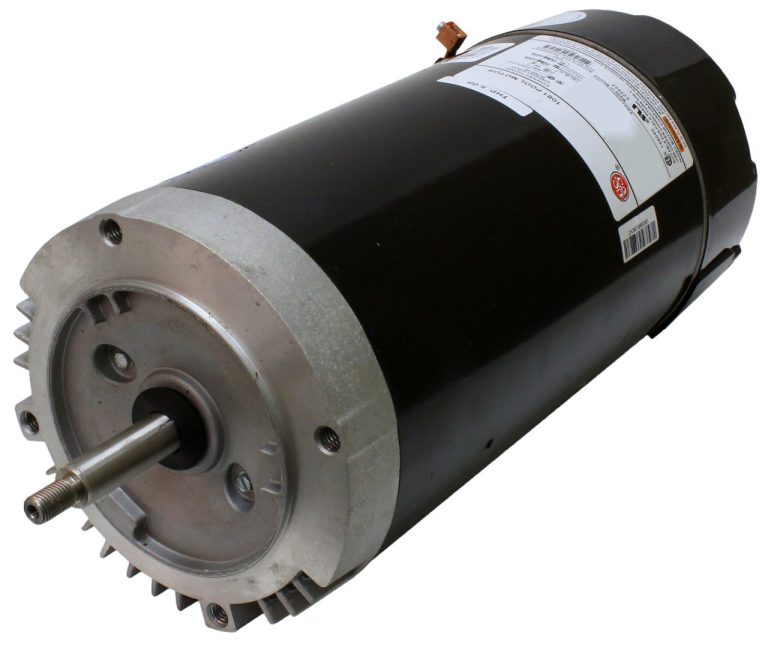
Who Is Swimming Pool Pump Impeller Replacement For?
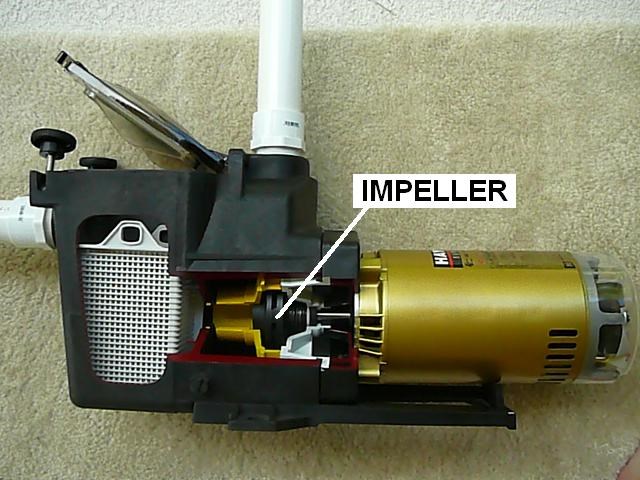
Pool owners with inground systems often face the decision to perform swimming pool pump impeller replacement when seals wear out or debris damages the impeller. This process becomes necessary once flow drops or the motor begins to labor under extra resistance. In most setups the impeller sits inside the pump housing and moves water through the filter and returns. When it erodes or cracks, pressure falls and the motor runs hotter than normal.
Owners notice the change first through weaker jets or a high-pitched whine that grows louder over days. Understanding these early signals helps decide whether a targeted swimming pool pump impeller replacement will restore performance. Or the entire unit needs swapping.
For example, a homeowner in a sandy area might see gradual flow loss over two seasons. They decide to replace the impeller during spring startup rather than wait for a complete motor failure in July. Checking the pump basket weekly and listening for unusual sounds can catch problems before they force an emergency call.
Top Picks
Seal Degradation
A worn mechanical seal lets water seep past the shaft and reach the motor bearings. This leak usually shows up as a small puddle under the pump after it sits overnight. Once moisture reaches the bearings, rust forms quickly and the motor begins to drag. Many owners then consider swimming pool pump impeller replacement at the same time because the impeller housing must come apart to reach the seal.
The job takes a few hand tools and a new seal kit sized for the pump model. If the motor shows burn marks or the bearings grind, full motor replacement becomes the safer route. A practical tip is to place a dry paper towel under the pump each evening for a week. Any damp spot confirms the leak early.
One pool service technician shared that he replaces seals every three years as preventive maintenance. This often avoids the need for swimming pool pump seal replacement later when water has already damaged the bearings.
Impeller Erosion Leading to Swimming Pool Pump Impeller Replacement
Sand and small debris gradually wear the impeller vanes smooth. As the vanes lose shape, the pump moves less water even though the motor still spins at full speed. Owners often first notice the change through weak returns or a filter that stays dirty longer than usual. When erosion reaches this stage, swimming pool pump impeller replacement restores the original flow rate without touching the motor. The new impeller must match the original diameter and thread direction or performance will suffer. Always check the diffuser at the same time because it wears in the same pattern. In coastal regions where fine sand enters the system, many owners keep a spare impeller on hand. They perform the swap themselves in under an hour using only a screwdriver and socket set. Matching the exact part number prevents vibration that could shorten motor life. This pairs well with Clean Pool Pump Impeller to Restore Flow Rate, which works through concrete examples.
Motor Overheating
Restricted flow from a clogged impeller or dirty filter forces the motor to work harder and generate extra heat. Over time the windings break down and the motor trips the thermal protector more often. In these cases a simple swimming pool pump impeller replacement may not solve the root problem if the motor has already sustained damage. Checking the capacitor and voltage supply first rules out electrical causes. If the motor still runs hot after cleaning the impeller and filter, replacement of the whole pump assembly avoids repeated service calls. An easy test involves feeling the motor housing after thirty minutes of run time. If it is too hot to touch comfortably, investigate further. Installing a simple voltage monitor on the circuit can reveal low supply issues that contribute to overheating. It helps owners decide between targeted repairs and full swimming pool pump replacement.
Capacitor Failure
The start capacitor gives the motor the extra torque needed to begin spinning under load. When it weakens, the motor hums but does not turn until someone gives the shaft a push. A failed capacitor does not damage the impeller itself. Yet many technicians replace both parts during the same visit to avoid a second shutdown. Testing the capacitor with a multimeter takes only a minute and confirms whether the part is the culprit. If the motor runs smoothly after capacitor replacement, no swimming pool pump impeller replacement is required. A common anecdote involves homeowners who keep a spare capacitor in their pool shed because these parts cost under twenty dollars. They fail predictably after four or five seasons in hot climates. Always discharge the old capacitor safely before handling it to avoid a stored electrical shock. This pairs well with Motor Survival Rates After First Seal Failure, which works through concrete examples.
Debris Blockage
Leaves, twigs, and pebbles that pass the strainer basket collect inside the impeller eye and block water entry. The motor labors, draws extra amps, and eventually overheats. Removing the blockage sometimes requires taking the pump apart. This opens the chance to inspect the impeller for chips or cracks. When debris has scored the impeller surface, swimming pool pump impeller replacement prevents the same jam from happening again soon. Regular basket cleaning and a secondary leaf trap reduce how often this happens. One pool owner installed an inexpensive leaf canister after repeated clogs. This cut impeller cleanings from monthly to once per season. Always turn off power at the breaker before opening the pump to avoid accidental startup while hands are near the impeller. For the adjacent problem, How Long Does a Pool Pump Motor Last Facing Seal Leaks? goes deeper into the specifics.
Corrosion from Harsh Pool Chemistry
High chlorine or salt levels can slowly corrode metal components inside the pump, including the impeller and shaft. Over months this pitting weakens the vanes and creates small leaks that compound other issues. Owners who maintain pH between 7.2 and 7.6 and use a quality algaecide notice far less corrosion. When corrosion appears, swimming pool pump impeller replacement paired with a new seal often restores reliable operation. Checking metal surfaces with a flashlight during any service visit catches early damage before it spreads to the motor housing. The follow-up piece Pool Pump Parts That Fail Most Often, and What to Replace covers this in more practical detail.
Key Points
- Small leaks under the pump usually point to seal wear that often pairs with impeller inspection.
- Smooth impeller vanes from sand erosion cut flow and call for direct swimming pool pump impeller replacement.
- Repeated thermal trips after cleaning the filter signal motor damage rather than simple impeller issues.
- A humming motor that will not start typically needs only a capacitor swap, not impeller work.
- Visible debris inside the impeller eye means both cleaning and possible impeller replacement are required.
- Corroded impeller surfaces from unbalanced chemistry shorten pump life and justify early replacement during routine service.
When to replace impeller only
Choosing between a targeted swimming pool pump impeller replacement and a full pump swap depends on the condition of the motor and housing. When the motor still runs quietly and the housing shows no cracks, replacing just the impeller and seal often returns full performance at lower cost. Persistent noise, high amp draw, or repeated overheating after impeller work point toward complete replacement. A closely related walkthrough, Pool Pump Disassembly to Trace Seal and Gasket Failures, picks up where this section ends.
Checking voltage, cleaning the basket weekly, and replacing the seal every three seasons keeps most inground pumps running longer. Pool owners who track these details avoid surprise shutdowns during peak summer months. Keeping a maintenance log that records amp draw and flow rate each month makes it easy to spot gradual declines before they become expensive problems. This pairs well with Pool Pump Seal Replacement for Better Flow, which works through concrete examples.
For related guidance on similar repairs, look into pool filter housing crack repair or inground pool motor replacement when the symptoms extend beyond the impeller.
Frequently Asked Questions
How often should I inspect my pool pump impeller?
Most experts recommend a visual check at least twice per season. This is especially true after heavy storms or when flow noticeably drops. Removing the housing cover takes minutes and reveals early wear before it forces swimming pool pump impeller replacement.
Can I replace just the impeller without changing the seal?
Technicians usually recommend replacing both at the same time because the housing must be opened anyway. Pairing the jobs prevents a second service call within months when the old seal begins to leak.
What tools do I need for a basic impeller swap?
A screwdriver set, socket wrench, and replacement gasket kit are typically sufficient. Always match the impeller model number exactly to avoid vibration or reduced performance after the swimming pool pump impeller replacement.
Does a noisy pump always mean the impeller needs replacement?
Not necessarily. Noise can come from a failing bearing, loose impeller, or even air leaks in the suction line. A systematic check of seals and the capacitor often identifies the true cause before any parts are ordered.
Related Topics
- Why Inground Pumps Fail and Require Replacement
- Failure Modes Leading to Pool Motor Swaps
- Diagnosing Pump Issues Before Replacement