Why Cleaning the Pool Pump Impeller Matters for Flow
Pool owners dealing with weak circulation often trace the problem back to the pump itself rather than the filter. A clogged impeller restricts water movement and creates the same symptoms as a dirty filter low pressure situation. Learning to clean pool pump impeller components restores proper flow without immediately replacing expensive parts. In practice, many homeowners first notice the issue during hot summer months when the pool sees daily use and debris from nearby trees or wind finds its way into the system.
The direct answer is straightforward. Removing debris from the impeller vanes usually brings flow rate back to normal within an hour on most residential pumps. Sand, leaves, and hair wrap around the shaft or pack between the vanes and cut performance sharply. Regular attention prevents the motor from overheating and extends equipment life. For example, one pool owner in a suburban area with heavy pine needle fallout reported restoring full circulation after just fifteen minutes of cleaning the impeller during a routine spring opening. Owners who know when to clean pool pump impeller avoid most of these flow interruptions.
Common Signs Your Impeller Needs Attention
Low flow at the returns is the most obvious clue. You might also notice the pump running longer cycles yet failing to clear cloudy water. Pressure readings on the filter gauge can swing high or low depending on where the blockage sits. These symptoms appear in both sand and cartridge systems across the country. In coastal regions, fine sand often mixes with algae to create stubborn buildup that mimics a failing motor. Learning to clean pool pump impeller early prevents many of these issues from worsening.
Another reliable indicator is a motor that feels hotter than usual after running. Restricted water movement forces the pump to work harder against the blockage. Over time this strain shortens motor life and raises energy costs. Checking the impeller early avoids those secondary problems. Homeowners who monitor surface temperature with an infrared thermometer often catch the issue before the motor trips its thermal overload protector.
How to Clean Pool Pump Impeller Step by Step
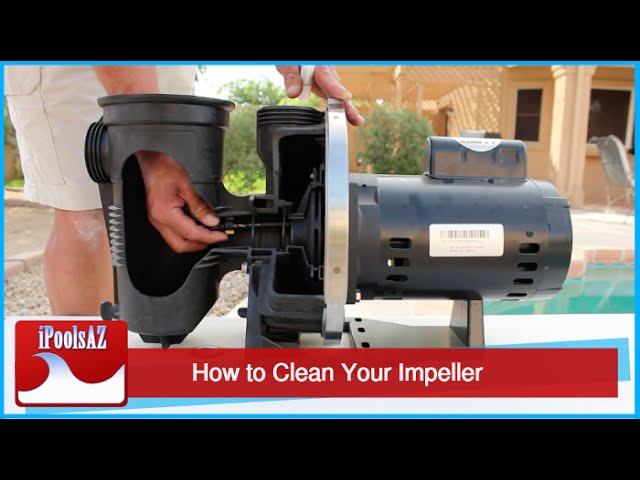
Turn off power at the breaker before opening any part of the pump. Remove the pump lid or housing bolts to reach the impeller. Most single-speed models allow access once the volute is detached from the motor. Keep a bucket nearby because residual water will spill out. A practical tip is to photograph the assembly before disassembly so reassembly follows the original orientation exactly. Homeowners who clean pool pump impeller components this way restore flow quickly.
Look for hair, leaves, or small stones caught on the vanes. Use a wooden or plastic tool to avoid scratching the metal surfaces. Spin the impeller by hand after cleaning to confirm it turns freely. Reassemble with new o-rings if the old ones show cracks or flattening. One common mistake is reusing dried-out gaskets, which leads to air leaks and repeated priming difficulties later.
After reassembly, prime the pump and run it briefly while watching the pressure gauge. Normal flow usually returns right away. If the issue persists, inspect the impeller for cracks or erosion that require full replacement rather than just cleaning. In some cases, a slight imbalance after cleaning signals the need for a new impeller to prevent vibration damage downstream. Many technicians advise owners to clean pool pump impeller before considering replacement.
Tools and Safety Checks Before Starting
Basic hand tools handle most jobs. A screwdriver, socket set, and flashlight cover the typical needs. Wear gloves to protect against sharp debris and old gasket material. Never work on the pump while it is plugged in or the breaker is live. Consider labeling each bolt and washer as you remove them to avoid losing small parts on the equipment pad. Proper preparation lets you clean pool pump impeller safely every time.
Some models include a drain plug that makes emptying easier. Locate it before you begin so water does not flood the equipment pad. Keep the area clear of leaves and dirt that could fall into the open housing during the process. A shop vacuum placed nearby can quickly remove any spilled water and prevent slippery conditions.
When Professional Help Beats DIY
Complex variable-speed pumps often require specialized tools to remove the impeller without damaging the shaft seal. If the motor shows signs of water intrusion or the impeller is seized, calling a technician prevents further damage. Swimming pool pump motor repair shops can assess whether cleaning alone will solve the issue or if new components are needed. Technicians also carry diagnostic equipment that measures amp draw and insulation resistance for deeper troubleshooting.
Cost comparisons help decide next steps. A simple impeller cleaning performed by the owner costs only time. Professional service for the same task usually runs between one and two hundred dollars depending on the model and location. Full swimming pool pump motor replacement becomes necessary when the shaft or bearings have already failed. In older pools, upgrading to a variable-speed motor during repair often pays for itself through lower electricity bills within two seasons. Knowing how to clean pool pump impeller yourself can save those service fees.
Maintenance Habits That Prevent Clogs
Skimming debris before it reaches the pump reduces impeller problems significantly. Checking and cleaning the pump basket weekly catches most leaves and twigs early. Pool pump maintenance also includes inspecting the impeller during the spring opening and fall closing routines. Owners who keep a maintenance log note that consistent weekly basket cleaning cuts impeller clogs by more than half.
Adding a secondary leaf trap on the suction line helps in yards with heavy tree cover. Backwashing or cleaning the filter on schedule keeps overall system pressure balanced and reduces strain on the pump. These small habits keep the need to clean pool pump impeller parts infrequent for most owners. Another effective step is trimming overhanging branches and installing a fine-mesh skimmer sock during peak leaf season.
How often should I clean the impeller?
Most residential pools benefit from an impeller inspection twice a year during opening and closing. Heavy debris areas may need an extra check mid-season. If flow drops suddenly, inspect immediately rather than waiting for the scheduled date. Consistent basket cleaning lowers the frequency of full impeller service. Pools located near construction sites or with frequent wind-blown dust often require quarterly checks.
Can a dirty impeller damage the motor?
Yes. Restricted water flow causes the motor to run hotter and work against higher resistance. Over months this extra load shortens bearing and winding life. Catching the problem early through routine cleaning prevents the need for swimming pool motor repair later in the season. In extreme cases, prolonged overheating can trip breakers repeatedly and require complete motor rewinding.
What tools do I need for the job?
A basic socket set, flathead screwdriver, and flashlight handle most single-speed pumps. Variable-speed models sometimes require a shaft wrench. Keep replacement o-rings on hand because old seals rarely survive reassembly without leaking. A torque wrench ensures bolts are tightened to manufacturer specifications and avoids cracked housings.
Is it better to replace or clean the impeller?
Cleaning works when debris is the only issue and the vanes remain intact. Replace the impeller if it shows cracks, heavy pitting, or imbalance. A damaged impeller creates vibration that eventually destroys the shaft seal and motor bearings. Many technicians recommend keeping a spare impeller on hand for pools older than ten years.
Does impeller cleaning affect filter performance?
Restored flow improves filtration because water moves through the filter media at the designed rate. Low flow from a clogged impeller often leads to poor circulation and cloudy water even when the filter itself is clean. Fixing the pump side restores overall system balance. Proper flow also distributes chemicals more evenly, reducing algae hotspots.
What should I do if the impeller still feels stuck after cleaning?
Apply a penetrating lubricant designed for pool equipment and allow it to sit for ten minutes before attempting to turn the shaft by hand again. If it remains seized, the impeller may be corroded to the shaft and require professional removal to avoid breaking internal components.
About this guide: PoolCareAnswers.com focuses on practical troubleshooting steps for common residential pool equipment issues using publicly available manufacturer specifications and standard service procedures.
Final Thoughts on Restoring Flow
Addressing impeller blockages early keeps circulation strong and protects the rest of the system. Routine basket cleaning combined with periodic impeller checks reduces the chance of sudden flow loss during peak swimming months. When problems continue after cleaning, professional evaluation of the motor and seals provides the next clear step. Establishing a seasonal checklist helps owners stay ahead of issues and enjoy clear water all summer long. Seasonal checks that include how to clean pool pump impeller keep most systems running smoothly year after year.
- Pool Filter Troubleshooting For Models From Pentair And Hayward
- Eight Pool Filter Failures Homeowners Encounter Most Often
- Why Pool Filter Backwash Stops Functioning and What Fixes It
- Pool Pump Pressure Basics and the Parts That Control Flow Rate
- Intex Pump Models Compared for Resistance to Low Flow Problems