Rising Electricity Costs and Inconsistent Flow Prompt Motor Changes
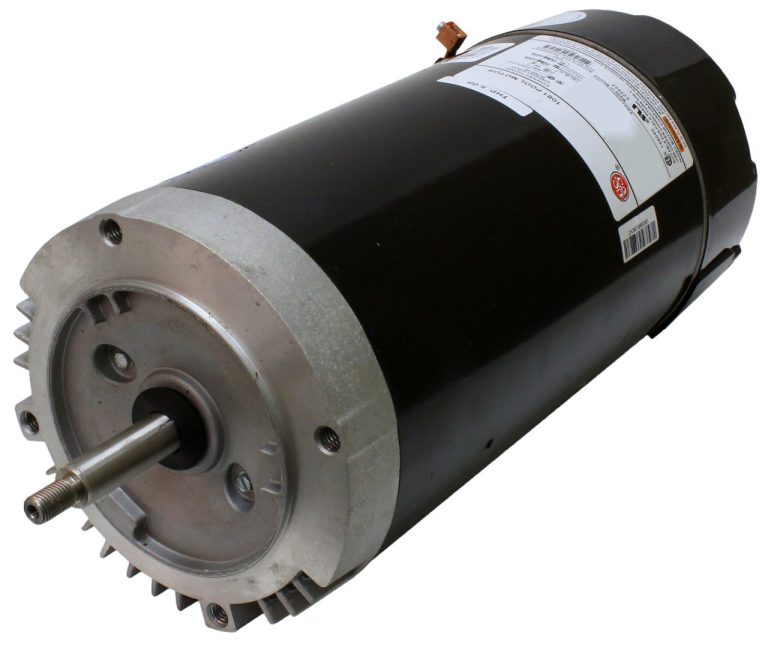
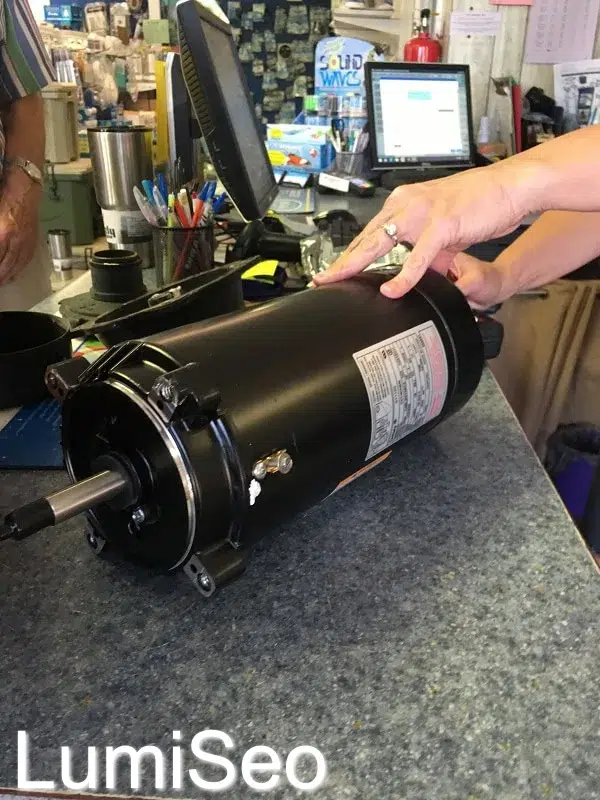
Pool owners across the United States often notice climbing power bills paired with weak or uneven water circulation. These symptoms frequently trace back to aging single speed motors that run at full power whenever the pump is on. Many turn to variable speed motor replacement as a direct fix rather than patching the same unit again and again. Tracking monthly utility statements often reveals a steady climb in kilowatt hours. This happens when the single speed motor never eases off during low-demand periods. Practical tip: keep a running log of kilowatt-hour usage tied specifically to the pool circuit. This helps you spot the exact month when the pattern shifts from normal to excessive.
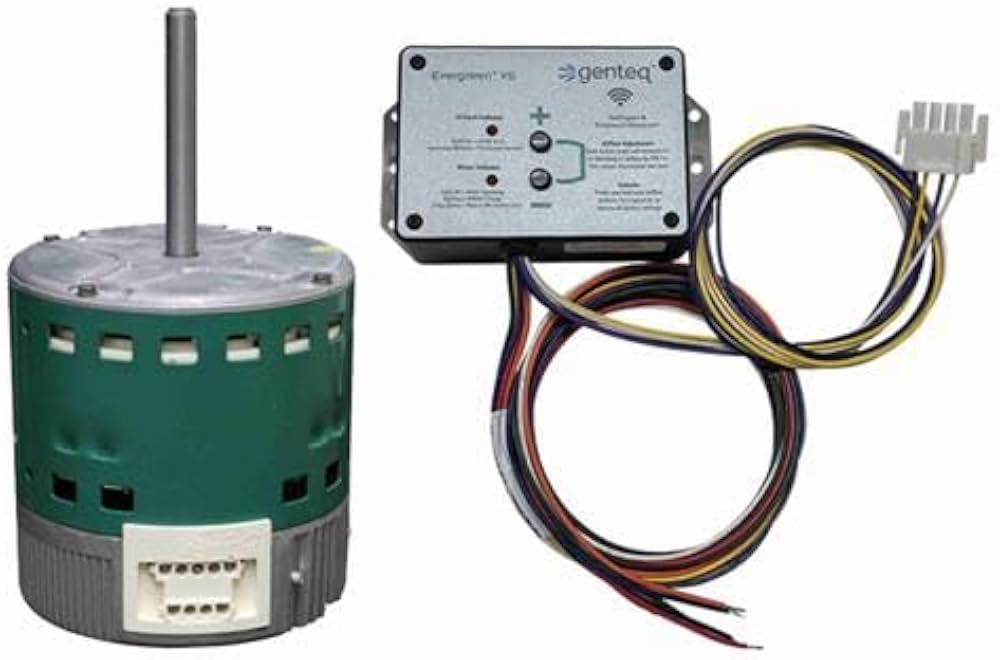
The upgrade allows the motor to adjust speed based on actual demand. It cuts energy use while restoring steady flow. This article examines three clear situations where that change brings reliable performance back to the system. In most systems, replacing an outdated single speed motor with a variable speed unit improves circulation. This reduces recurring issues such as algae growth. Pool pump motor repair technicians note that these upgrades often prevent the need for repeated service visits. Those visits only address symptoms rather than the root cause of inconsistent performance.
Variable speed motor replacement restores steady circulation and lowers operating costs in pools that have outgrown their original single speed motors. Owners who make the switch commonly report that the pool stays clearer with less chemical use. This occurs because water turns over at the right rate instead of either flooding or starving the filter.
Common Situations Requiring Variable Speed Motor Replacement
High Energy Use from Single Speed Motors
Single speed motors draw maximum power from the moment they start until they shut off. In most residential systems this constant full-speed operation pushes monthly electric costs higher than necessary. Homeowners often see the first clue on their utility statement. This occurs when the pool circuit alone accounts for a large share of usage. A variable speed motor replacement changes the picture. The new unit can run at lower rpm during routine filtration cycles.
The reduced speed still moves enough water to keep the pool clean while using far less electricity. Over a full season the difference appears on the bill and in quieter pump operation. Many systems also benefit from scheduled speed changes that match peak and off-peak utility rates. The motor simply slows during expensive hours and speeds up only when needed. This flexibility is unavailable with older single speed designs.
Programming a variable speed motor to reduce rpm during peak-rate hours commonly produces noticeable seasonal savings. It maintains clear water through consistent filtration cycles.
Monitoring Usage Patterns for Early Detection
Track your pool pump motor repair history alongside utility data. This identifies spikes that coincide with hot weather or increased swimming. A simple clamp meter reading once a month can reveal whether the single speed motor is drawing its rated amperage constantly. This gives you concrete numbers before deciding on replacement. For the adjacent problem, Variable Speed Pool Pump Vs Single Speed: Which Fits Your Setup goes deeper into the specifics.
Frequent Overheating During Summer Months
Hot weather increases water temperature and places extra load on the motor. Single speed units run at one fixed rate, so they cannot ease back when conditions grow extreme. The result is repeated thermal trips that shut the pump down and leave the pool without circulation. Variable speed motor replacement addresses the problem by letting the motor drop to a lower continuous speed once the water reaches a stable temperature. For the adjacent problem, Hayward Vs Pentair Pool Heater: What Owners Need to Know goes deeper into the specifics.
Lower rpm generates less internal heat and extends component life. Technicians commonly report fewer service calls after the swap. This occurs because the motor stays within safe operating limits even on the hottest days. Owners who add a simple temperature sensor can program the new motor to adjust automatically. The combination of speed control and basic monitoring prevents most summer shutdowns without constant manual intervention.
In most systems a motor that overheats and trips on hot afternoons runs reliably after variable speed motor replacement. It maintains a steady lower speed without exceeding thermal limits.
Adding Sensors for Automatic Adjustments
Install an inexpensive inline temperature probe connected to the motor controller. This lets the unit slow itself whenever water exceeds typical safe operating temperatures. This small addition often eliminates the need for manual speed tweaks and keeps the system running smoothly without intervention.
Incompatibility with Modern Filtration Systems
Newer filters and control valves often require precise flow rates that single speed motors cannot deliver. When the pump pushes too much water, the filter media can channel or the valves can chatter. Too little flow and debris stays suspended in the pool. Variable speed motor replacement solves the mismatch by allowing exact flow settings that match the filter manufacturer recommendations.
The motor can hold a steady low speed for overnight polishing or increase briefly for heavy debris removal. This range of control keeps the entire circulation loop working as designed. Compatibility improves further when the new motor connects to existing automation panels. The panel sends speed commands based on filter pressure or time of day. The motor responds without additional relays or oversized starters.
In most retrofits the original single speed motor overwhelms a new cartridge filter. After switching to variable speed the owner can set the precise flow rate specified on the filter label. This eliminates pressure spikes that previously required frequent backwashing.
Matching Flow to Equipment Specs
Always cross-reference the filter housing label and valve manufacturer guidelines before finalizing speed settings. Running a short test at several rpm levels while watching pressure gauges helps confirm the ideal range that prevents both channeling and insufficient turnover.
Key Points
- Track monthly kilowatt hours on the pool circuit for two seasons before deciding on any motor work.
- Feel the motor housing after a full run cycle; repeated high temperatures point to speed mismatch.
- Compare current flow rate against the filter housing label to spot incompatibility early.
- Request a compatibility check with the new motor model before purchase to avoid wiring issues.
- Plan the change during the off season so the pool stays ready when warm weather returns.
Cost Recovery and Performance Gains After Upgrades
- Most households recover the cost of variable speed motor replacement inside two full seasons through lower electric charges.
- Noise levels drop noticeably once the motor runs below full speed during normal filtration.
- Filter cleaning intervals often stretch longer because steady low flow reduces debris buildup on the media.
- Automation features become usable without extra hardware when the motor accepts external speed signals.
- Resale value of the property can rise when buyers see documented energy savings on the utility history.
Schedule a Technician Visit Before Buying Parts
Before ordering a new motor, have a local technician confirm shaft size, voltage, and control wiring on the existing pump. This single visit prevents mismatched parts and wasted time. The same technician can also verify that the filter and valves will accept the new flow range. Once compatibility is confirmed, variable speed motor replacement proceeds quickly and restores full pool function without repeated repairs. Pool owners who complete this step report consistent water clarity and lower operating costs through the following seasons. In practice, many technicians now carry a checklist that includes measuring the existing pump basket clearance. They also confirm the control panel supports digital speed commands. This saves an extra trip and keeps the project on schedule.
You May Also Like
- Pool Pump Motors Lifespan Factors and Seasonal Care
- Step Sequence for Replacing a Variable Speed Pool Pump Motor
- Five Frequent Pool Pump Motor Issues and Their Solutions
- Pool Pump Motor Repair Compared to Full Replacement
- Frequent Pool Pump Motor Issues and Their Repair Paths