Hayward Above Ground Pool Filter Troubleshooting: introduction
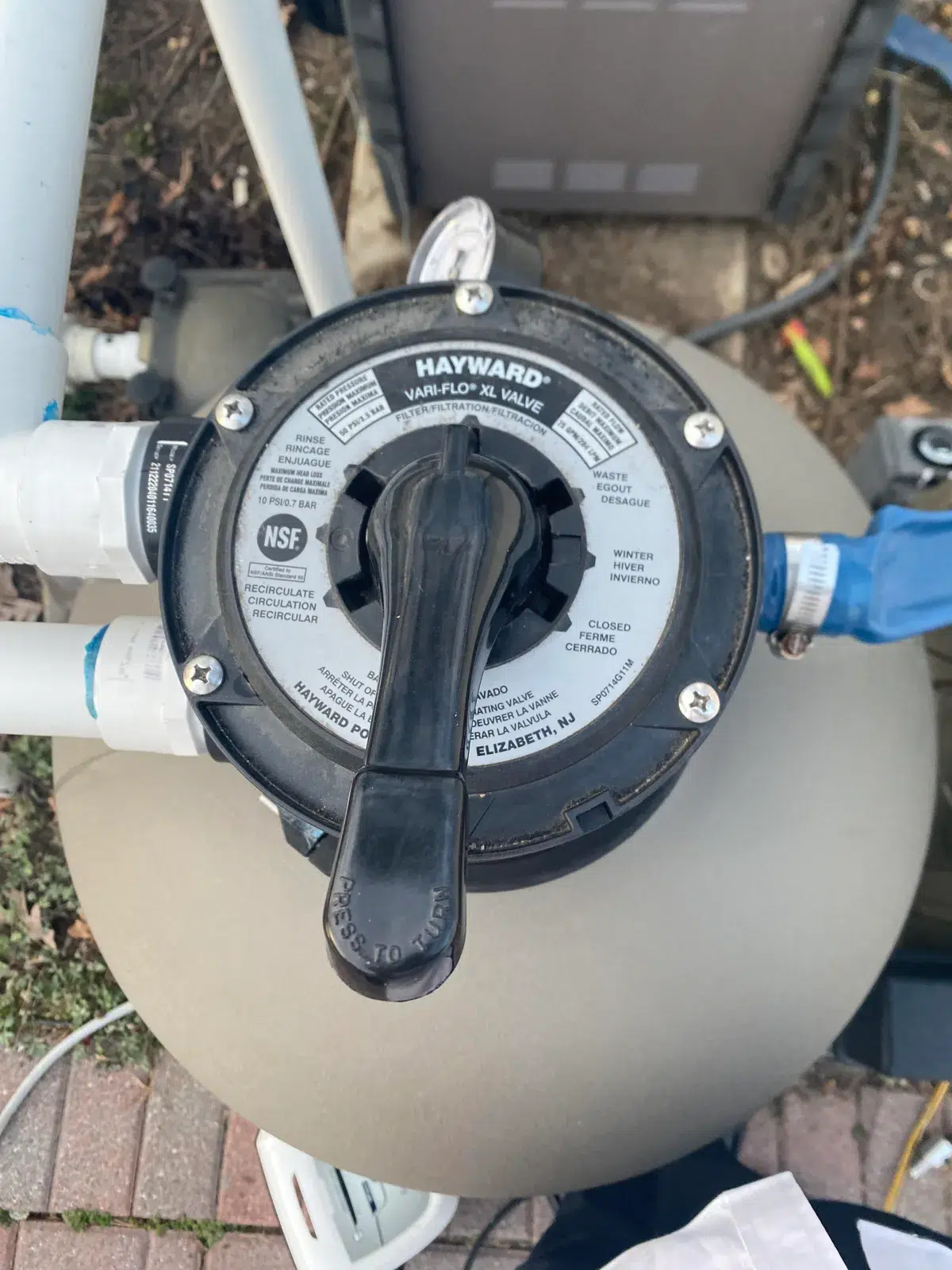
Pool owners across the United States regularly deal with circulation issues that trace back to the filter itself. Sand, cartridge, and DE units each handle debris differently, which means the same symptom can point to very different fixes. Hayward above ground pool filter troubleshooting starts by identifying whether low flow, rising pressure, or cloudy water appears first. The three media types respond in distinct ways because their cleaning intervals, part wear patterns, and pressure tolerances vary. Understanding those differences helps decide between a quick cleaning and a full replacement. Hayward above ground pool filter troubleshooting becomes more accurate once the filter type and symptom are matched side by side.
Hayward above ground pool filter troubleshooting reveals that flow loss usually begins with either restricted media or a failing pump component. In most systems the pressure gauge climbs first when the filter loads, while cloudy water often signals fine particles bypassing the media entirely. Checking the model number on the tank label narrows the possible causes quickly.
The table below lines up the three common Hayward filter types against the three symptoms that trigger most service calls. Each row shows how the same problem appears in sand, cartridge, and DE units so owners can match their gauge reading or water condition to the likely cause. Hayward above ground pool filter troubleshooting works best when the exact symptom and media type are known before parts are ordered. If the filter runs but the water still will not clear, the guide to a Hayward pool filter not working properly covers the next checks. The follow-up piece Hayward S200 Sand Filter Troubleshooting Low Flow in Seven Steps covers this in more practical detail.
| Symptom | Sand Filter Response | Cartridge Filter Response | DE Filter Response |
|---|---|---|---|
| Low Flow | Media channels pack with dirt after 4–6 weeks; backwash restores flow until the next cycle. A cracked lateral lets sand into the pump impeller and drops flow further. | Pleats load with oils and algae; cleaning every 2–4 weeks returns flow. Torn fabric or collapsed core usually requires a new cartridge. | DE cake cracks or bridges between grids; flow drops until grids are disassembled and recoated. Broken grids allow DE into the pool. |
| High Pressure Gauge | Normal rise occurs between backwashes; pressure above 20–25 psi on most Hayward models signals it is time to backwash. Persistent high readings after backwash point to a clogged laterals or return line. | Pressure climbs steadily as pleats fill; cleaning resets the gauge. If pressure stays high after rinsing, the cartridge may be oil-soaked or the pump impeller restricted. | Pressure rises faster than sand because the cake is finer; backwash or bump cycle clears it. Repeated high readings usually mean grids need inspection for tears. |
| Cloudy Return Water | Fine dirt passes when the sand bed is disturbed or when laterals crack. Flocculant or filter aid can help until the bed is replaced. | Particles slip past when pleats are loaded or torn. A micron-rated replacement cartridge often clears the water faster than cleaning the old one. | DE escaping through damaged grids produces a white haze. Replacing grids and recharging with fresh DE restores clarity. |
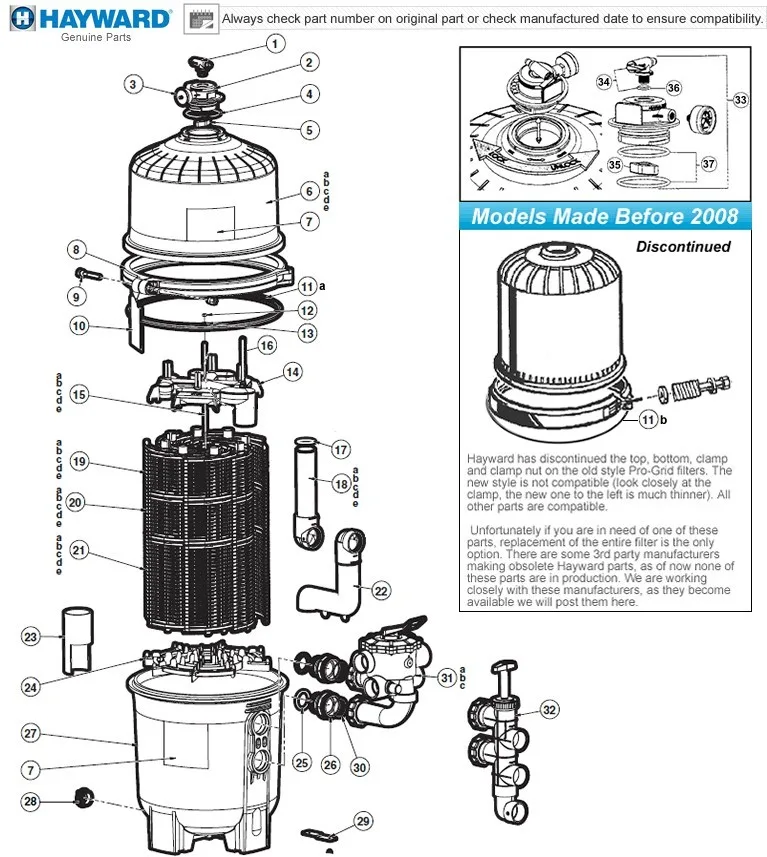
Hayward above ground pool filter troubleshooting shows that sand units lose flow mainly from packed media while cartridge units lose flow from surface loading. DE filters lose flow when the cake cracks or grids fail. The table makes those distinctions visible so the correct next step is obvious. Owners who match their symptom to the row can avoid unnecessary part swaps. For the adjacent problem, Intex Sand Filter Pump Low Flow when Five Components Fail goes deeper into the specifics.
Hayward pool sand filter troubleshooting follows the same pattern shown in the low-flow row. A simple backwash often restores circulation on sand tanks, yet the same action does nothing for a loaded cartridge. The comparison keeps each media type in its own column so the differences stay clear. This pairs well with Common Locations for Hayward Sand Filter Leaking from Bottom, which works through concrete examples.
Repair decisions depend on the cost of parts versus the cost of a new tank. The second table weighs the advantages and drawbacks of fixing each media type against the option of replacing the entire filter assembly. The follow-up piece Hayward Pool Filter Troubleshooting What Stops Circulation covers this in more practical detail.
| Media Type | Repair Advantages | Repair Drawbacks | Upgrade Path |
|---|---|---|---|
| Sand | Backwash is free; laterals cost under $50 and swap in under an hour. Sand lasts 5–7 seasons before replacement. | Repeated backwashing wastes water; sand eventually channels and must be changed anyway. | Switching to cartridge removes backwash waste and lowers water use. |
| Cartridge | Cleaning takes minutes with a garden hose; replacement cartridges run $40–$80. No backwash valve to maintain. | Cartridges wear out after 2–3 seasons; heavy oils require chemical cleaners that shorten life. | Moving to DE improves fine-particle removal if clarity remains an issue. |
| DE | Grids last several seasons; fresh DE restores filtration quickly. Bump handle allows cleaning without full disassembly. | DE powder must be handled and disposed of; torn grids require tank opening and careful reassembly. | Cartridge conversion eliminates DE handling and simplifies maintenance. |
Hayward above ground pool filter troubleshooting often ends with a choice between buying new internals or buying a complete new filter. Sand repairs stay inexpensive because backwashing and occasional lateral swaps solve most problems. Cartridge and DE repairs cost more in parts and labor, yet both can still be cheaper than a full tank replacement when the housing remains sound. The table helps weigh those trade-offs against local water costs and maintenance time.
Making the Decision
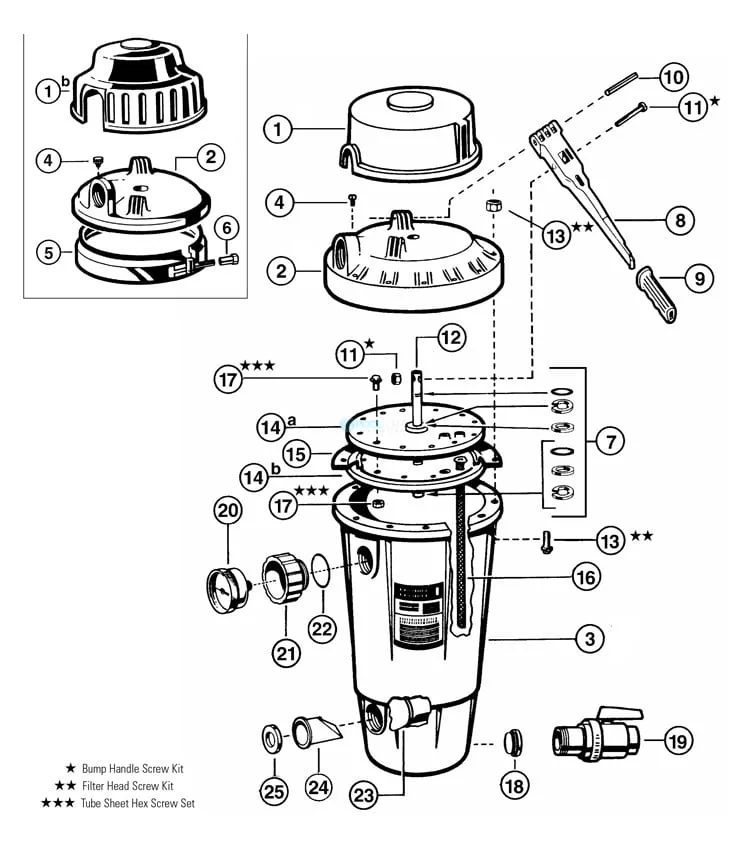
Match the current symptom and filter type to the row that fits, then decide whether a cleaning, a part swap, or a full replacement makes sense. Hayward above ground pool filter troubleshooting leads to the same practical outcome: low-flow sand units usually need backwashing, loaded cartridges need rinsing or replacement, and cracked DE grids need inspection. When repair costs approach half the price of a new filter, replacement becomes the clearer long-term choice. Start with the symptom row that matches the gauge or water condition today.
You May Also Like
- Five Frequent Hayward Filter Failures Owners Encounter Each Season
- Eight Pool Filter Failures Homeowners Encounter Most Often
- Pool Pump Pressure Basics and the Parts That Control Flow Rate
- Intex Pump Models Compared for Resistance to Low Flow Problems
- Hayward And Intex Sand Filters Exhibit Distinct Leak Patterns