How Mechanical Issues Let Algae Bypass Filters
Pool owners across the United States often deal with green water even after recent cleanings. Specific mechanical failures in sand, cartridge, and DE systems allow algae to slip past the media and reach the pool. algae clogging pool filter happens when torn grids, cracked tanks, or worn seals create bypass routes. Standard backwashing cannot fix these routes. Pool owners often notice recurring blooms right after heavy rains. Storm debris has stressed the filter housing over time. In colder climates, freeze-thaw damage often goes unnoticed. Spring startup reveals the problem.
These defects turn a working filter into a pathway for contaminants. Understanding the exact failure points helps owners match symptoms to repairs. The water turns cloudy again. Practical tip: always keep a spare O-ring kit on hand during peak season. This avoids weekend downtime when stores are closed.
Most filter problems that permit algae breakthrough trace back to seven common defects. These defects occur in the media, housing, valves, and pump basket. Regular visual checks combined with listening for unusual pump noises can reveal issues early. This saves hundreds in chemical treatments later.
Filter Defects That Permit Algae Clogging Pool Filter
Torn DE grids
Torn DE grids let fine particles and algae pass straight through the filter tank. In most systems the grids sit inside a vertical or horizontal tank. They hold the diatomaceous earth powder. This powder traps contaminants down to 3-5 microns. A rip or hole larger than a quarter inch creates an open channel. Owners notice rising pressure followed by sudden drops. Green water appears within days due to algae clogging pool filter. Replacement grids for models such as the Pentair Quad DE cost between $120 and $180. They usually restore full filtration when installed correctly. Using the wrong grade of DE powder can tear grids. This leads to weeks of cloudy water before the fix.
Cracked filter housing
A cracked filter housing allows water to leak around the media instead of passing through it. Fiberglass or plastic tanks develop hairline cracks from freeze-thaw cycles or impact. Even a small fracture near the top or side seam lets unfiltered water exit the tank, leading to algae clogging pool filter. Pressure readings stay normal while algae levels climb. Visual inspection with a flashlight after draining reveals the damage. Full tank replacement is the only permanent fix in most cases. Consider adding a protective cover during winter storage. This prevents impact damage from falling branches or tools.
Worn backwash valve seals
Worn backwash valve seals create internal bypass paths during normal filtration. The multiport or push-pull valve relies on rubber gaskets and O-rings to direct flow. When these seals harden or crack, water leaks from the filter chamber directly to the waste or return line. The result is reduced effective filtration and recurring algae clogging pool filter issues. Rebuilding the valve with a seal kit takes about 45 minutes. It costs under $40 on common Hayward and Pentair valves. A simple test involves running the system in recirculate mode. Check for unexpected flow to the waste line.
Sand channels forming in media
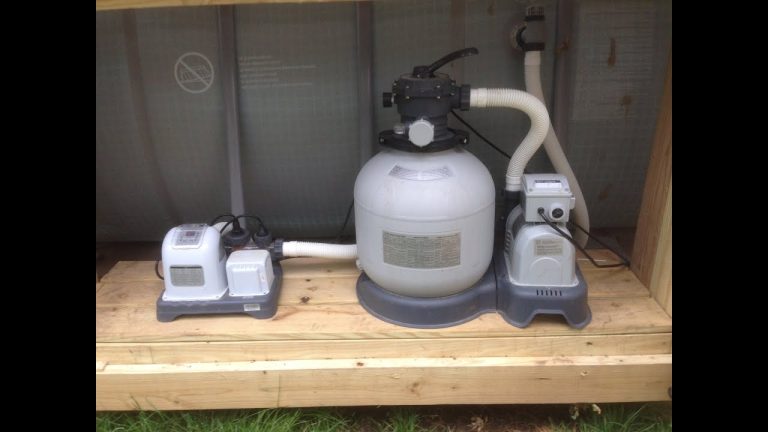
Sand channels forming in media let water carve straight paths through the filter bed. Over time, improper backwashing or adding the wrong sand grade creates tunnels. Water follows these low-resistance routes instead of filtering through the entire bed. Algae and debris reach the pool even though the pressure gauge shows normal readings, causing algae clogging pool filter. Breaking up the sand bed with a rake tool during annual service usually restores even flow for another season. Pool professionals recommend using a dedicated filter sand rake every six months in high-use residential pools. This prevents the channeling effect.
Clogged laterals
Clogged laterals block return flow and force water to find other exits. These slotted pipes at the bottom of sand filters collect debris over years of use. When they fill with scale or sand fines, pressure rises sharply and filtration drops. Owners often see cloudy water and must replace the laterals. This job requires cutting the tank top on older models. New laterals for a 24-inch tank run about $60. They restore proper circulation. Delaying replacement can allow sand fines to damage the pump impeller. This requires full filter replacement.
Manifold leaks
Manifold leaks inside DE and cartridge filters allow water to short-circuit the media. The manifold distributes incoming water across the filter elements. Cracks or loose fittings at the joints let unfiltered water reach the outlet port. This defect produces the same symptoms as torn grids but requires different parts. Tightening or replacing the manifold O-rings stops the bypass in most residential units. Always shut off the pump and relieve pressure before attempting any manifold work. This avoids injury.
Pump basket debris bypass
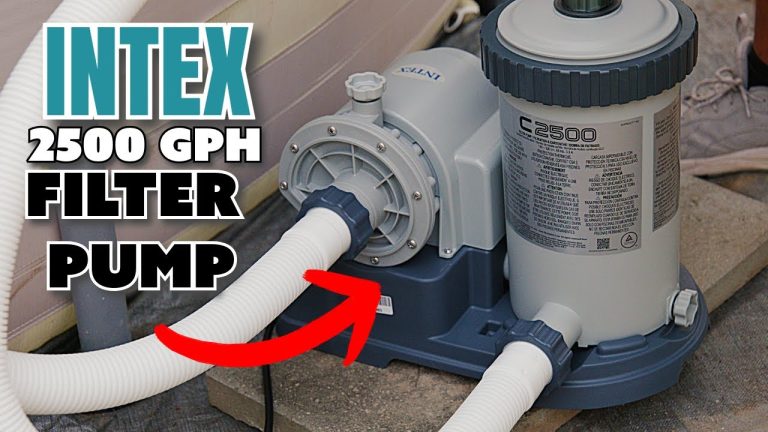
Pump basket debris bypass occurs when the basket cracks or the lid O-ring fails. Large debris then reaches the impeller and filter. It overwhelms the media. Algae spores ride along with the debris and seed new growth in the pool. Checking the basket weekly and replacing worn lid seals prevents this route. The repair links directly to related topics such as air leak in pool filter when the same O-ring failure allows air entry. A quick weekly habit of emptying the basket before it reaches half full dramatically reduces pool filter problems over time.
Key Points
- Torn DE grids create direct passages for algae and require immediate grid replacement to prevent widespread contamination throughout the system.
- Cracked filter housing needs full tank inspection after any impact or freeze event, and owners should document damage with photos for warranty claims.
- Worn backwash valve seals are rebuilt with inexpensive kits before pressure symptoms appear, avoiding costly emergency service calls during peak summer months.
- Sand channels forming in media are broken up during annual service to restore even flow and maintain proper de filter troubleshooting routines.
- Clogged laterals produce high pressure and cloudy water until replaced, often signaling the need for a complete media change at the same time.
- Manifold leaks inside DE tanks are fixed by resealing or replacing the distribution assembly before algae spores have a chance to multiply.
- Pump basket debris bypass is prevented by weekly basket checks and fresh lid seals, which also improves overall pump efficiency and longevity.
Regular Pressure Checks Stop Repeat Problems
Weekly pressure gauge checks catch rising readings before algae returns. When green water appears, shut the system down and inspect the seven common failure points listed above. Early media inspection after any algae event prevents repeated algae clogging pool filter cycles. It keeps water clear through the season. Professional service is recommended when internal parts show extensive wear or when the filter is more than eight years old. Consistent maintenance costs far less than repeated chemical treatments or full system replacement. Many experienced owners log pressure readings in a simple notebook. They spot gradual changes that might otherwise go unnoticed until a full bloom develops.
- Persistent Issues Across DE, Sand, and Cartridge Pool Filters
- Sand Filters Compared with DE Filters on Leak and Flow Problems
- Why Diatomaceous Earth Filters Develop Cracks in the Manifold
- Saltwater Versus Sand Pump Performance Under Low Pressure Conditions
- Circulation Drops in Sand Based Filters Require Specific Checks