Why Leak Location Matters in Pool Filters
Pool owners often spot water collecting around the filter housing after a cycle. They wonder where the problem started. Different leak spots point to distinct issues with seals, valves, or the tank itself. Spotting the exact exit point early prevents wasted parts and keeps circulation steady. The phrase pool filter leaking from top shows up frequently in owner reports. The top is where pressure builds most visibly during backwash or normal runs. For instance, after a heavy rainstorm or during peak summer usage the pump runs longer hours. The increased load can force water through even minor gaps at the lid. Homeowners in coastal areas report this issue more often due to salt air accelerating o-ring degradation over just two seasons.
Recognizing the pattern saves time when deciding between a quick gasket swap and a full housing inspection. This holds true across sand, cartridge, and DE units common in U.S. homes. Matching the wet spot to the correct cause avoids buying the wrong repair kit. Misdiagnosing a top leak as a valve problem can lead to ordering unnecessary parts. Owners realize after checking the gauge that simple o-ring maintenance would have fixed everything. Practical tip: always photograph the wet area before drying it off. You can reference the exact pattern later when troubleshooting at night.
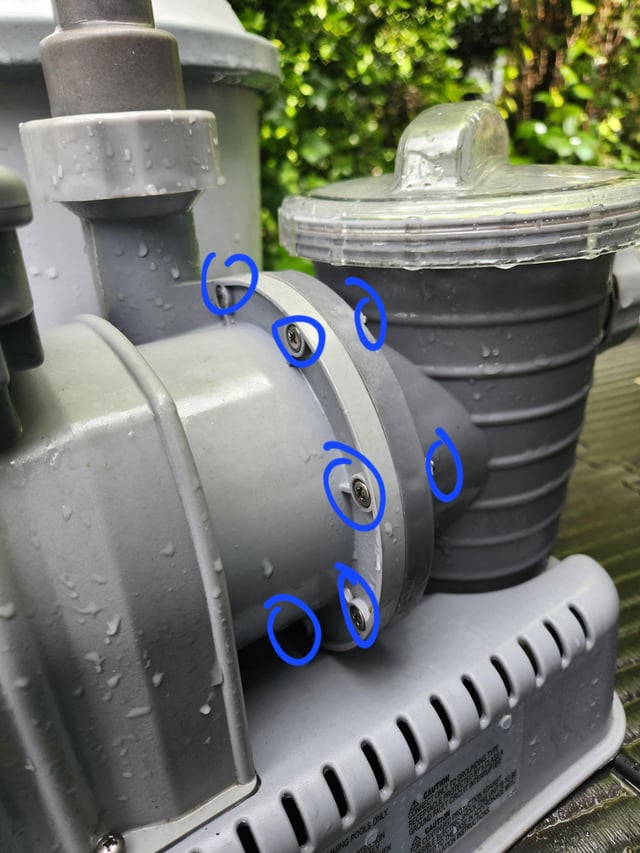
Pool filter leaking from top usually traces to the lid o-ring or clamp band. Pressure exceeds normal operating levels. Checking the gauge first confirms whether the reading sits above 20 psi. This often forces water past the upper seal. If your system uses a cartridge filter, the lid may also warp slightly from repeated heat cycles in direct sun. This creates an uneven seal. The seal only shows up after the pump cycles off and residual pressure releases. A quick test involves running the system at low speed for ten minutes. Watch for drips with a flashlight.
Pool Filter Leaking From Top
Seasonal Pressure Checks and Early Warning Signs
Many owners overlook how seasonal changes affect filter pressure when pool filter leaking from top becomes noticeable after winter storage. In spring, pollen and debris load the media faster. This pushes readings up quickly and reveals weak seals. During winter, freezing temperatures can shrink o-rings. They create micro-cracks that leak only when the water warms again. Keep a simple log of gauge readings each week. Spot trends before a drip appears on the patio. A closely related walkthrough, Why Pool Filter Backwash Not Working and What Fixes It, picks up where this section ends.
Comparison Table
pool filter leaking from top, pool filter leaking from bottom, pool filter leaking from backwash, and pool filter leaking from waste each map to different components. The table below lists the most common cause, the part involved, and a typical repair path for each location. Cross-reference your symptoms with the table before purchasing any parts online. Return fees on specialty gaskets can add up quickly.
| Leak Location | Likely Cause | Affected Part | Repair Approach |
|---|---|---|---|
| Top | Worn lid o-ring or loose clamp | Filter lid and o-ring | Replace o-ring, clean groove, re-torque clamp to spec |
| Bottom | Cracked laterals or failed drain plug | Bottom drain assembly or laterals | Empty tank, replace plug or lateral set, test for pinholes |
| Backwash | Valve seal failure or misaligned piston | Multiport valve gasket | Rebuild valve with new seals or replace entire head |
| Waste | Loose union or cracked elbow | Waste line fittings | Tighten unions, replace cracked PVC sections, check slope |
Owners who see pool filter leaking from top first check the pressure gauge. Excess pressure pushes water past the lid seal before any other path opens. A reading above the clean filter baseline by 10 psi or more points directly at the top assembly in most systems. Cleaning the o-ring groove and applying a thin film of silicone lubricant restores the seal without new parts in many cases. Many top leaks resolve with just this cleaning step when caught within the first week of noticing moisture.
Start by turning the pump off and releasing pressure through the air relief valve. Remove the clamp or lid bolts. Lift the lid straight up to avoid damaging the o-ring. Wipe the groove clean of sand or debris. Rub a thin coat of silicone lubricant on the new or existing o-ring. Seat the o-ring flat in the groove. Replace the lid and tighten the clamp or bolts to the pressure marked on the housing. Restart the pump and watch the gauge for two cycles.
Pool filter leaking from bottom appears after the unit has run several seasons. Sand or DE media eventually wears the laterals. Once a lateral cracks, water finds the lowest exit point. It drips steadily even when the pump is off. Replacing the full lateral set requires draining the tank completely. This usually takes under an hour on residential models. Before starting, place a shop vac nearby to catch any spilled media. It could otherwise clog your yard drains.
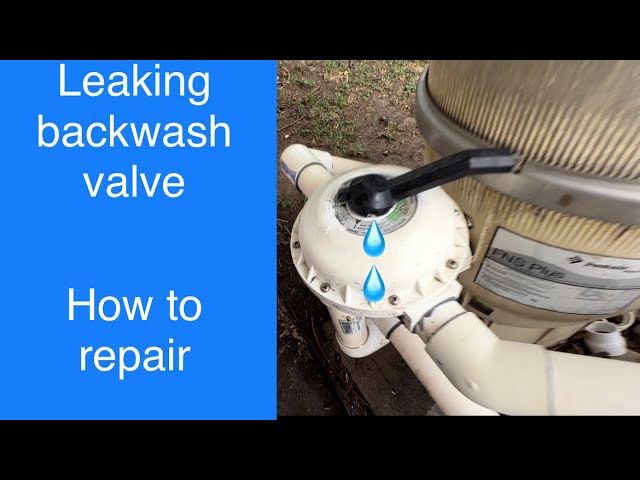
Pool filter leaking from backwash shows up right after a cleaning cycle. The multiport valve shifts position and exposes worn seals. The valve body itself rarely cracks. Yet the internal gasket or spider gasket loses compression over time. Rebuilding the valve with a manufacturer kit costs less than a new head. It restores leak-free operation for another three to five seasons. One practical tip is to mark the valve handle position with tape before disassembly. Reassembly aligns perfectly on the first try.
Pool filter leaking from waste often traces to the union nuts that connect the waste line. Vibration from repeated backwash cycles loosens these fittings. A small drip becomes a steady stream once the pump reaches full speed. Hand-tightening plus a quarter turn with a strap wrench stops most of these leaks without cutting pipe. In homes with older galvanized fittings, consider upgrading to schedule 40 PVC unions during the repair. This prevents future corrosion-related drips.
Pros and Cons
| Approach | Pros | Cons |
|---|---|---|
| DIY gasket replacement | Low cost, parts available same day, quick on top leaks | Risk of improper seating, voided warranty on some tanks, limited tools for bottom access |
| Technician service | Correct diagnosis first visit, handles valve rebuilds and lateral sets safely | Higher labor charge, scheduling delay, travel fees in rural areas |
Choosing between a DIY fix and a service call depends on the leak location and the owner’s comfort with basic plumbing. Top leaks from a simple o-ring usually reward a homeowner who owns a basic wrench set. Bottom or valve leaks often justify a technician. They require full tank drainage and precise reassembly to avoid media loss. Many pool supply stores now offer loaner tool kits for weekend DIYers. This reduces the barrier for first-time repairs.
Matching Leak Spot to the Correct Repair
Owners who identify the exact exit point before ordering parts avoid repeat purchases and extra downtime. Checking connections and the pressure gauge first rules out simple fixes in most residential setups. When the leak persists after basic tightening, the comparison table points to the next logical component to inspect. Keep a small parts kit with common o-rings and Teflon tape on hand during summer months. Minor issues do not interrupt weekend swimming plans.
Replacing only the failed seal or fitting keeps the rest of the system intact and maintains proper flow rates. Professional help becomes worthwhile once the repair moves past the lid assembly into the valve or lower tank sections. Regular gauge checks and seasonal o-ring lubrication reduce the chance of sudden leaks across all three filter types. A final tip from longtime pool maintainers is to run a short backwash cycle monthly even when not needed. This exercises the valve seals and prevents them from drying out and cracking. Pool owners facing pool filter leaking from top repeatedly benefit from these habits, just as those noticing pool filter leaking from top after storms learn to inspect the lid first.
You May Also Like
- Diagnosing Every Type of Leak Reported in Pool Filter Systems
- Repair a Pinhole Leak in a Pool Filter Housing
- Five Frequent Reasons a Pool Filter Develops an Air Leak
- Persistent Issues Across DE, Sand, and Cartridge Pool Filters
- Sand Filters Compared with DE Filters on Leak and Flow Problems