Why a De Filter Manifold Crack Lets Dirty Water Bypass the Grids

A de filter manifold crack is one of the more frustrating failures a diatomaceous earth pool owner can face. The pump keeps running, the water keeps moving, and the gauge looks normal at first, yet the filter has quietly stopped cleaning the water. Most owners notice it only after the pool starts to look hazy.
The manifold is the set of branched tubes and fittings inside the tank that carries filtered water out to the return line. Its grids are coated with diatomaceous earth, which is a powder made from fossilized diatom shells. When the manifold cracks, unfiltered water can slip into the outlet side without ever passing through the coating. The result is bypass, and it often looks like a clogged filter when it is really a leak.
Here’s the thing: a crack this small rarely dumps water onto the deck. Instead, you see low flow, a pressure reading that drops after backwashing, and cloudy water that won’t clear no matter how much chemical you add. That combination is the clue. Below is how to confirm the crack, repair it, and check that the fix held.
The short answer is this. A cracked DE manifold is repaired by shutting the system down, cleaning the crack, sealing it with epoxy rated for pool use, and testing it after the cure time. Small hairline cracks can often be sealed in an afternoon plus an overnight cure. Large or multiple cracks usually mean replacing the grid assembly, which costs more and takes longer.
Repairing a Cracked DE Filter Manifold in Five Steps
-
Shut off the pump and relieve pressure. Turn off the pump at the breaker or timer, not just the switch on the pump housing, so nothing restarts while you work. Then open the air relief valve on top of the filter tank and wait until the gauge reads zero. Pressurized housings can throw clamps and lids, so don’t skip this. Close the valve only after you’re ready to reassemble. For the adjacent problem, Systematic Hayward DE Filter Troubleshooting Low Flow goes deeper into the specifics.
-
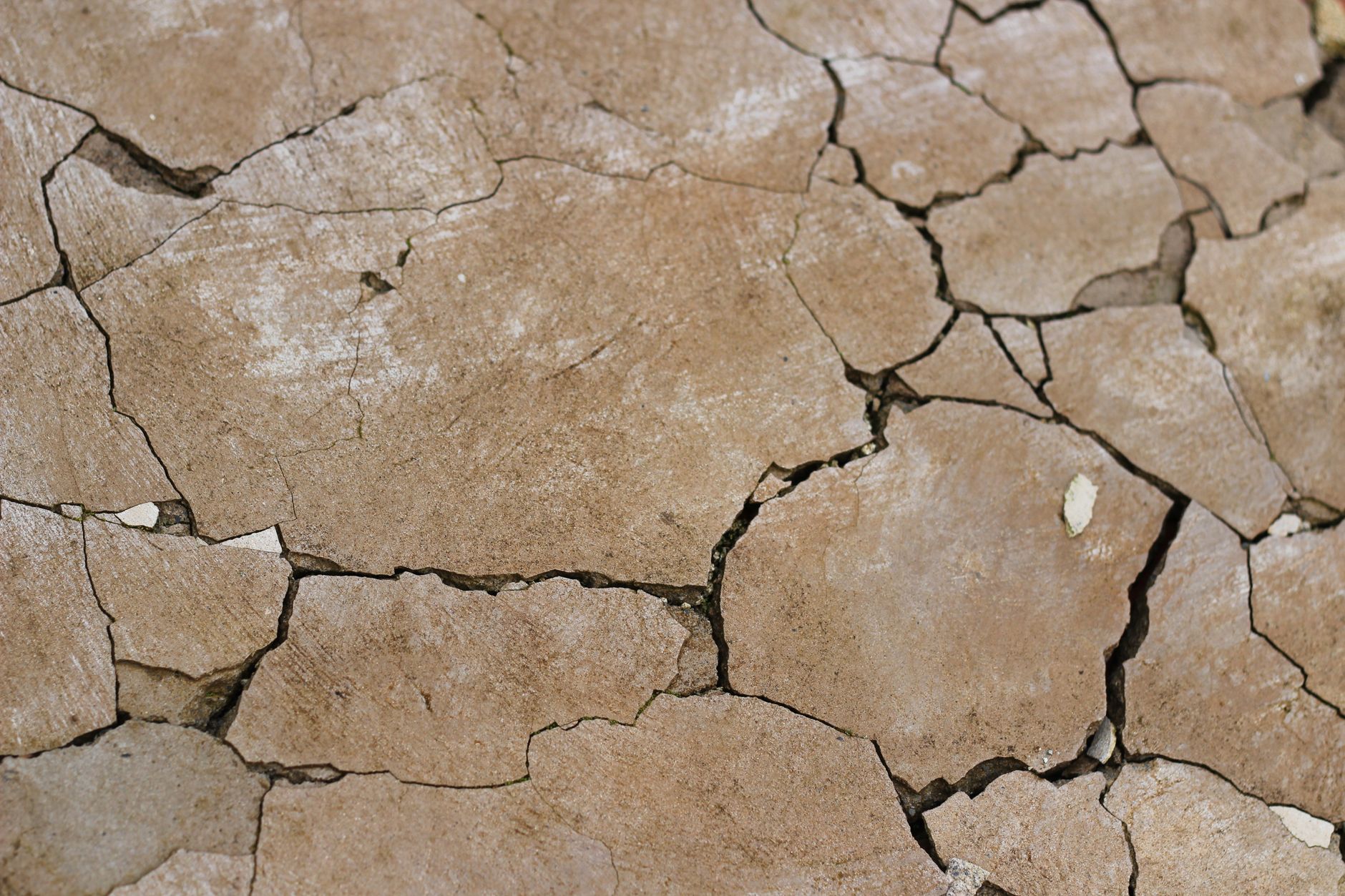
Remove the filter lid and inspect the manifold for hairline cracks. Loosen the clamp ring or the bolts on the tank, lift the top, and remove the multiport valve if your model requires it. Lift out the grid assembly and look at each tube under good light. Hairline cracks often show as thin dark lines that run along the length of the tube or around a fitting joint. Run a fingertip along each tube too, since you can sometimes feel a crack before you see it. The follow-up piece Filter Housing Crack or Clogged Algae Filter: What Is Wrong? covers this in more practical detail.
-
Clean debris from the crack edges. Diatomaceous earth and fine grit get into cracks and prevent epoxy from bonding. Rinse the grid with a garden hose, then scrub the cracked area with a soft brush and a little mild detergent. Let it dry fully, because epoxy will not stick to a damp surface. Wiping the crack with isopropyl alcohol and letting it flash off removes any oily residue left from the water.
-
Apply epoxy rated for pool chemicals. Use a two-part epoxy labeled for contact with pool water and common sanitizers, and follow the mixing ratio printed on the package. Press the paste into the crack and smooth it so it covers the crack by a small margin on each side. Avoid over-applying, because a thick bead can create a new stress point. Check the label for the working time and the cure time, which is often 24 hours at room temperature.
-
Reassemble and test the pressure after 24 hours. Let the epoxy cure completely before the grid goes back into the tank, and don’t rush it with heat. Reinstall the grid, replace the lid seal, and fill the filter with water. Add fresh DE following the amount your filter’s manufacturer specifies, then run the pump and watch the gauge. A sealed manifold should show a steady clean-start pressure, and the pool should show no change in clarity over the next day or two.
Checking Whether the Repair Held
Once the system is running, confirm the seal before you decide the job is finished. Note the clean-start pressure right after you refill and restart the pump. Then watch how fast the gauge climbs over the following days. A steady, normal rise points to a good seal. A sudden drop after backwashing suggests the crack has reopened or a new one has formed nearby.
Be honest about the limits here. Epoxy patches work well on small, clean cracks in a manifold that is otherwise sound. They are a poor fix for a manifold that has become brittle with age, because the cracks tend to spread from the stressed edges. If you see more than a couple of cracks, or cracks at several joints, replacing the grid assembly is usually the more reliable choice. Replacement parts vary by model, so confirm the part number against your filter’s manual before you buy.
Keeping Pressure Readings Honest After the Repair
Ongoing pressure checks are the cheapest way to catch manifold trouble early. Many DE owners backwash when the gauge climbs about 8 to 10 psi above the clean-start reading. That rule of thumb works well for most systems. If the pressure stops rising at all, or falls sharply after a backwash, something may be bypassing the grids again. Write down the clean-start pressure each time you recharge the filter so you have a baseline to compare against.
The bigger lesson is that a DE filter depends on the water passing through its coating. Anything that lets water skip that path, whether a crack, a loose fitting, or a damaged seal, hurts clarity even when the gauge looks fine. Catch a crack early and the repair is a small, inexpensive job. Ignore it and you may be replacing the grids, the manifold, or the whole tank. Start with a careful look at the grid today, and make the pressure log part of your routine.
- Sand Filters Compared with DE Filters on Leak and Flow Problems
- Saltwater Versus Sand Pump Performance Under Low Pressure Conditions
- Circulation Drops in Sand Based Filters Require Specific Checks
- Four Factors That Reduce Pressure in Pool Filters
- Repair or Replace: Decision Points for a Bestway Filter Pump