How Motor Issues Build Up Over Time in Pool Systems
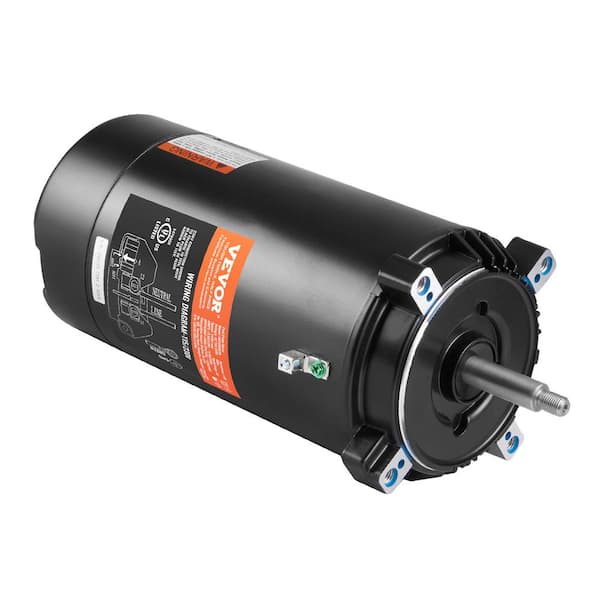
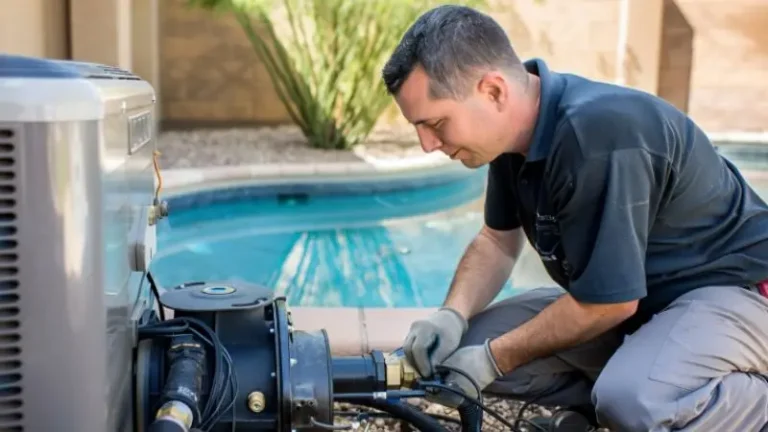
Motor problems in pool pumps rarely appear overnight. They develop across multiple seasons as seals dry out, debris collects, and run times add stress to bearings and windings. Each small failure raises operating temperatures and shortens the remaining life of the motor. Pool owners who notice reduced flow or new noises often begin searching for ways of fixing a pool pump. They do this before the unit stops completely. Addressing issues early prevents water from reaching electrical components and keeps circulation steady. Grinding sounds develop after multiple seasons of extended daily runs. They often indicate bearings that have never been checked. This leads to eventual seizure. Tracking these gradual changes helps you catch problems while they remain inexpensive to fix.
The ideal first step involves checking the most common motor faults. Check them in order of how often they appear in service records. Knowing the typical symptoms for each one helps decide whether a simple part swap or a full motor replacement makes sense. Regular basket cleaning and runtime tracking further reduce the chance that any single problem escalates into an expensive repair. Many technicians recommend keeping a simple notebook or phone app. It logs weekly hours and any unusual sounds. This helps you spot patterns before they become major pool pump motor repair jobs.
Over time, heat cycles cause the varnish on the windings to crack. This allows moisture to create short circuits. They only show up during peak summer loads. This slow buildup explains why motors often fail right after a long holiday weekend. The pump ran nonstop then. Watching for early warning signs can save hundreds of dollars in emergency replacements. Watch for a slight drop in water flow or an increase in the electric bill.
Motor Failures That Call for Fixing a Pool Pump
Seal and O-ring degradation
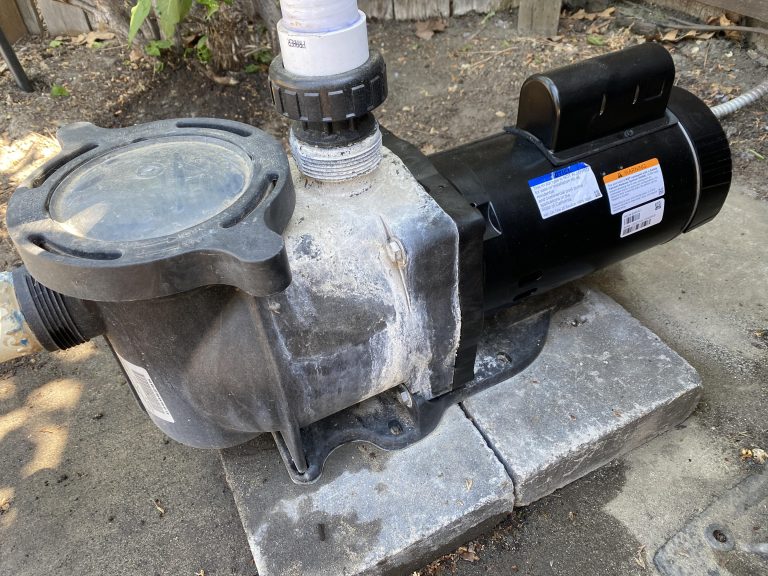
A worn shaft seal allows a slow drip. It eventually reaches the motor bearings. The first sign is usually a small puddle under the pump after it sits overnight. Once water enters the bearing housing, rust forms quickly. The motor begins to hum or seize. Replacing the seal and both O-rings on a Hayward Super Pump takes about thirty minutes with basic hand tools. Manufacturers publish torque values for the seal plate bolts. Following those numbers prevents the new seal from leaking right away. Keeping the pump basket clear reduces pressure spikes that accelerate seal wear. Dried-out seals caused by winter storage without proper lubrication commonly account for a large share of summer service calls. Applying a thin film of silicone grease to the new seal during installation extends its life noticeably.
Another practical tip is to inspect the area around the motor fan cover every month. Any white crusty residue signals early seal failure. If you catch it before water reaches the windings, you can often complete fixing a pool pump with just a $25 seal kit. This avoids buying an entire new motor.
Impeller blockage
Leaves, small stones, and hairpins caught in the impeller create vibration. They raise motor current draw. The pump may still move some water. Yet the flow rate drops enough to trigger the filter pressure gauge to read low. Clearing the impeller requires shutting off power, removing the volute, and spinning the shaft by hand to feel for resistance. On most 1.5 HP units the impeller unscrews counterclockwise once the lock screw is loosened. After reassembly, running the pump for a few minutes confirms whether the blockage has been fully removed. Monthly basket inspections stop most impeller clogs before they reach the motor. Objects caught in the impeller can create vibration. It slowly loosens motor mounts over weeks before the issue is noticed.
Using a flashlight and a pair of needle-nose pliers makes removal easier. Always check the diffuser for hidden debris at the same time. This habit alone can prevent many unnecessary pool pump motor repair visits while also making fixing a pool pump much simpler overall.
Overheating from long run times
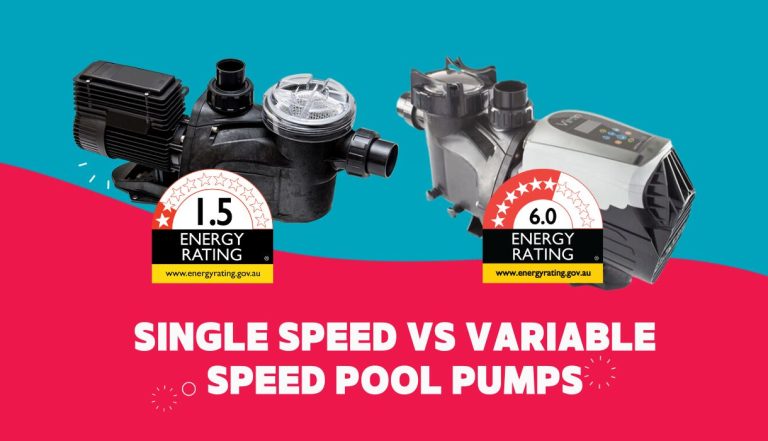
Running a single-speed motor more than eight hours a day in warm weather pushes internal temperatures past the insulation rating. The motor eventually trips its thermal protector or simply stops. Variable speed models avoid this stress by dropping to 1200 RPM during filtration cycles. This can extend motor life by several years. Logging daily runtime hours with a simple plug-in timer reveals whether the schedule has crept upward without anyone noticing. Shortening the high-speed period and switching to a variable speed motor replacement when the current unit fails often pays for itself in lower electricity use. Installing a variable-speed unit and limiting high-speed operation often reduces monthly electricity costs substantially.
Placing a small thermometer near the motor housing during peak heat can give you a quick temperature reading. Anything above 140°F suggests you should reduce runtime or improve ventilation around the equipment pad to avoid fixing a pool pump under emergency conditions.
Capacitor failure in single speed units
The start capacitor on a single speed motor weakens after three or four seasons of heat cycling. The motor may hum loudly when power is applied but fail to turn. Or it may start only after several attempts. Testing the capacitor with a multimeter set to microfarads shows whether the value has dropped below the rating printed on the case. Replacement capacitors cost under twenty dollars and install with two push-on terminals. Because the capacitor sits in a small compartment on the end bell, the job rarely requires removing the entire motor from the pump. Many do-it-yourselfers keep a spare capacitor on hand. Failure often happens on weekends when parts stores are closed.
Before replacing the capacitor, always discharge it with an insulated screwdriver to avoid a painful shock. This small safety step is frequently overlooked yet makes the pool pump fix safer and faster.
Variable speed controller faults
Modern variable speed drives contain circuit boards that can fail from moisture or voltage spikes. The motor may run at only one speed, display an error code, or refuse to start at all. Checking the incoming 220V supply first rules out a tripped breaker or loose wire at the disconnect. If power reaches the drive but the motor stays off, the drive itself usually needs replacement. Pentair and Hayward both sell replacement drives that match the original horsepower rating and plug directly into the existing wiring harness. Keeping the drive compartment dry with a small desiccant pack prevents most board failures. In coastal areas, salt air can corrode control board terminals. Cleaning them with electrical contact cleaner often restores operation for another season before a full drive replacement is needed.
Installing a whole-house surge protector adds another layer of defense against lightning-induced spikes that commonly destroy these sensitive boards when fixing a pool pump becomes unavoidable.
Key Points
- Seal and O-ring degradation
- Impeller blockage
- Overheating from long run times
- Capacitor failure in single speed units
- Variable speed controller faults
Keeping Track of Pump Runtime for Long-Term Reliability
Logging runtime hours each week shows when a motor is working harder than it should. Monthly basket cleaning removes the debris that leads to impeller blockages and seal stress. When any of the five issues above appears, comparing repair cost against the expected remaining life helps decide between fixing a pool pump now or planning a full replacement. Many owners find that addressing the first sign of trouble keeps the motor running for the full span listed in how long do pool pump motors last guides. Simple habits like these protect both the equipment and the pool water clarity throughout the season. Recording the date of every service task also creates a useful history that makes warranty claims much smoother if a motor fails prematurely.
Knowing how long do pool pump motors last on average helps you budget for eventual replacement. This avoids facing surprise expenses. The average is usually eight to twelve years with proper care. Keeping a spare seal kit and capacitor in your garage means you can often complete fixing a pool pump on the same day a problem appears. This avoids waiting for a service technician.
Related Topics
- Step Sequence for Replacing a Variable Speed Pool Pump Motor
- Pool Pump Motor Repair Compared to Full Replacement
- Frequent Pool Pump Motor Issues and Their Repair Paths
- Steps to Replace a Variable Speed Pool Pump Motor
- Pool Pump Motor Repair Addresses Failures Common in Local Pools