Reading the Signs of a Filter Housing Crack
A filter housing crack and a filter that’s just clogged can look alike from across the pool deck. Both can mean weak flow, a grumpy pressure gauge, and green water that won’t clear. But they need opposite responses. A clog is cleaned out. A crack usually means the housing has to be repaired or replaced. Getting the diagnosis right saves you from scrubbing a filter that’s already leaking.
A cracked housing usually leaks water and loses pressure. A clogged algae filter runs with high pressure and weak flow. A split housing rarely holds up to pump pressure again, so replacement is often the practical call. Clogging is almost always fixable with proper cleaning and sound water chemistry.
Pool filters come in three main types: sand, cartridge, and diatomaceous earth (DE) units. Each one has its own housing design, but the warning signs overlap. Below, you’ll find the questions owners ask most often, along with the checks that tell the two problems apart.
Frequently Asked Questions
Can a pool filter housing be repaired?
Sometimes, but usually only as a stopgap. A hairline crack in a lid or a cracked threaded union can be sealed with a plastic-compatible epoxy or a manufacturer repair kit. The problem is that the pump cycles pressure on the walls every time it runs, so the patch flexes and can fail again. A crack that runs down the tank body, or through a seam where the halves join, is generally a replacement case. Before you buy epoxy, check whether the manufacturer sells a replacement tank or lid for your model. For a filter housing crack that’s spreading, a new housing is usually the safer bet.
Why does algae keep coming back after I clean the filter?
Cleaning the filter removes algae from the media, but it doesn’t touch algae still floating in the water. If free chlorine is low or pH has drifted high, spores and cells settle back in and regrow. The CDC’s pool guidance lists free chlorine levels for pools that you can compare against your test kit. A filter that’s bypassing around its seals or running with a torn grid will also let algae slip through. Test the water before you blame the filter. If the water is balanced and the algae still returns, you’re likely dealing with a filtration or circulation problem. Our algae filter fix guide covers the cleaning steps in more detail.
How do I tell a clogged filter from a failing one?
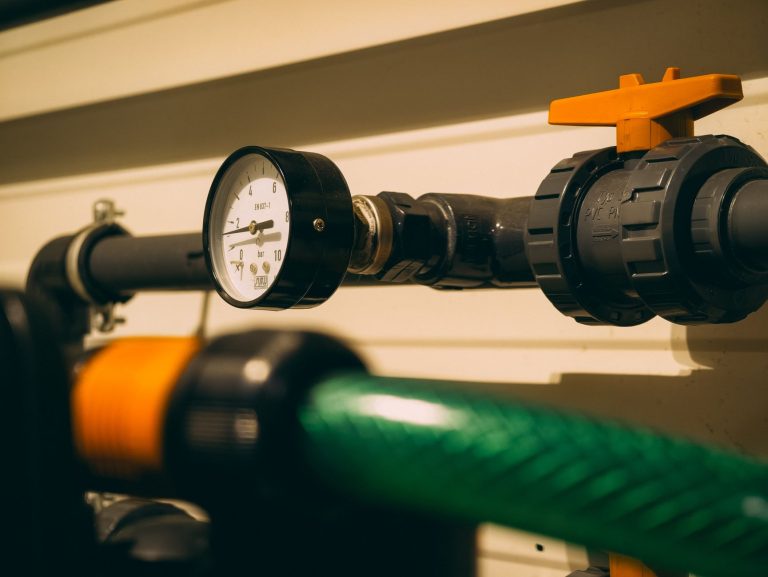
Start with the pressure gauge while the pump is running. Note the reading right after a clean backwash or rinse, since that’s your baseline. In most systems, a rise of about 8 to 10 psi over that clean reading means the media is loaded and needs cleaning. Normal or low pressure paired with weak flow points somewhere else. Look for bubbles in the sight glass, which suggest air entering through a lid O-ring or a cracked fitting. Water pooling under the unit after shutdown is another strong sign of a leak in the housing. Check the pump basket and skimmer too, since a blocked basket can mimic a dirty filter.
When is replacing a filter cheaper than repairing it?
Replacement tends to win when the housing is cracked, the unit is old, or the repair would cost close to the price of a new filter of the same size. Labor is the hidden factor. A repair visit can cost more than a new tank or lid once the technician’s time is added. DE filters add another wrinkle, since their internal grids and manifolds wear out over time. A cracked manifold is one of the most common reasons owners decide to swap the whole unit. Get at least one written quote, then compare it against the cost of a new filter sized to your pump and pool.
Is a cracked filter dangerous to keep running?
It can be. A filter under pressure holds a lot of energy, and a split tank can spray water or fail suddenly. Shut the pump off and close the valves before you inspect anything. Never open a clamp ring, lid, or union while the system is pressurized. Water near the pump’s electrical connections adds another hazard, so keep the area dry and avoid running a leaking unit. If you see a crack along the tank body, stop using the filter and call a qualified pool technician. Running it “just until the weekend” is how a small leak turns into a flooded pump pad.
Deciding Between a Repair and a New Filter
A clogged filter is almost always worth cleaning first, and the fix is usually inexpensive. A filter housing crack is a different story. Small lid cracks may tolerate a temporary seal, but anything running down the tank body or along a seam usually calls for replacement. Compare the repair quote with the price of a new unit before you commit.
If the water keeps turning green after a proper clean, the cause may be chemistry or circulation rather than the filter itself. Our pool filter problems overview and the hayward de filter troubleshooting steps walk through the next checks. When a crack is confirmed, shut the system down and bring in a technician.
You May Also Like
- Hayward Filter Versus Other Pool Filter Systems: Which Suits Your Pool?
- Hayward Pool Heater Leaking Water: Where It Comes From
- Troubleshooting Your Pentair Quad DE Filter
- Why Is My Pool Pump Leaking From the Top? Causes and Fixes
- Intex Sand Filter Leaking From the Top: What Actually Causes It