Why Sand and DE Filter Backwash Valves Stop Flowing
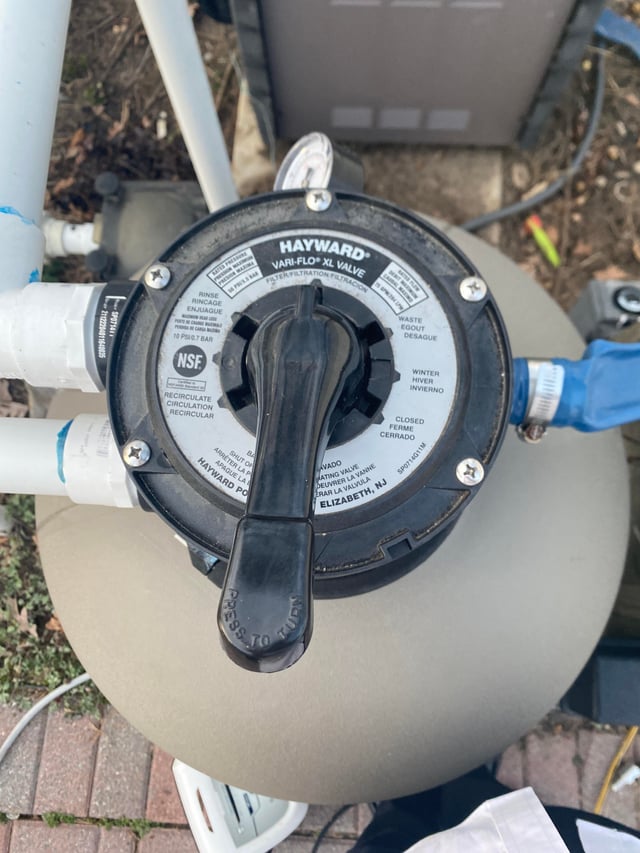
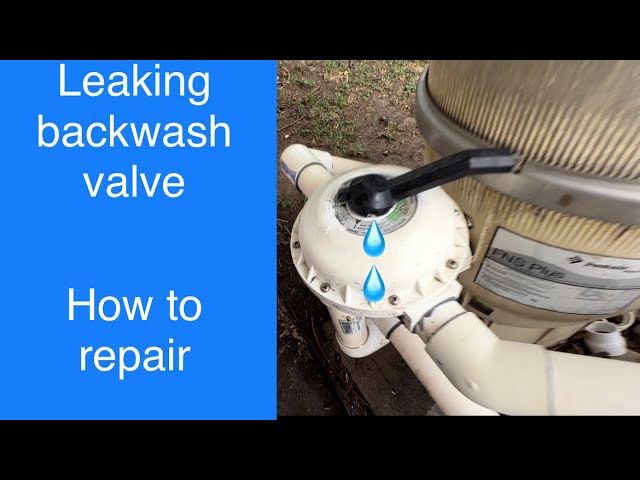
Pool owners across the United States often run into pool filter backwash not working. Valves on sand or DE filters seize or fill with debris. The backwash cycle relies on a multiport valve. It redirects water upward through the media to flush dirt out the waste line. Over time, sand grains, DE powder, or scale lock the piston or spider gasket in place. When that happens, the pump runs yet no water moves during the backwash position. This leaves the filter dirty and pressure high.
A clogged impeller or low water level can also starve the cycle. The valve itself causes most sudden failures. Checking the valve first usually reveals the problem before any parts need replacement. This pairs well with Four Reasons Your Bestway Filter Not Working, which works through concrete examples.
When pool filter backwash not working, the cause is almost always a stuck multiport valve or blocked ports. Shut off the pump. Relieve pressure through the air relief valve. Then clean the valve ports and lines before testing flow with a short rinse cycle. A closely related walkthrough, Owners Encounter Five Failures with Hayward Pool Filter Not Working…, picks up where this section ends. A closely related walkthrough, Why Intex Filter Pump Not Working and Initial Checks, picks up where this section ends. A closely related walkthrough, Pool Filter Leaking from Top and Other Points Reveal Issues, picks up where this section ends.
Fixing Pool Filter Backwash Not Working Step by Step
- Turn the pump breaker off and open the air relief valve on top of the filter tank to release all pressure. Wait two minutes so residual water drains back into the pool. This step prevents sudden spray when you move the multiport handle. It also protects the laterals inside the tank from damage. Never attempt to shift the valve while the pump is running. The pressure can crack the rotor or tear the gasket. Once pressure reads zero on the gauge, you can safely proceed to the next checks. This avoids risk of injury or equipment harm.
- Remove the handle and top cap from the multiport valve so you can see the internal ports and piston. Use a garden hose to flush each opening while turning the handle through every position. Look for packed sand, DE cake, or small pebbles that block the waste or backwash ports. A flashlight helps spot debris lodged in the spider gasket grooves. Clean every passage thoroughly with a soft brush and rinse until water runs clear. Reassemble the cap and test movement of the handle before moving on.
- Disconnect the short waste hose or pipe that leaves the multiport valve and check inside for obstructions. Sand or DE often settles in this line after repeated backwash cycles. This happens especially if the filter has not been rinsed long enough. Flush the line with a hose until water flows freely into a bucket. If the line still feels restricted, use a wet/dry vacuum on the waste side to pull out stubborn material. Reconnect the hose only after confirming clear passage. The next backwash attempt can then actually expel debris.
- Inspect the large rubber gasket that seals the multiport valve to the tank. Lift the valve slightly if your model allows and look for cracks, flattened spots, or grit trapped under the gasket. A damaged gasket lets water bypass the backwash path and reduces flow dramatically. Replace the gasket if it shows wear. Use the exact size listed in your filter manual. Lubricate the new gasket lightly with pool-grade silicone grease. The valve then turns smoothly and seals without binding.
- Return the multiport valve to the rinse position, start the pump for thirty seconds, then switch to filter mode. Watch the sight glass or waste line for steady flow and clear water. If flow remains weak, repeat the port cleaning once more. When water moves normally through rinse, run a full backwash cycle and note the pressure drop on the gauge. A drop of 8 to 10 psi usually means the media is now clean. Circulation has returned to normal.
Practical Tips for Valve Care and Replacement Decisions
Lubricate O-rings every season
Apply a thin film of silicone grease to all visible O-rings on the piston and handle stem at the start of each swimming season. Dry rubber cracks and sticks inside the valve body. This is the most common reason pool filter backwash not working returns within weeks. One small tube of grease lasts several years and prevents most sticking problems. A closely related walkthrough, Persistent Pool Filter Problems Across DE, Sand, and Cartridge, picks up where this section ends.
Replace the full valve assembly when ports erode
If pool filter backwash not working stems from deep grooves in the brass or plastic ports from years of sand abrasion, cleaning alone will not restore flow. A new multiport valve costs between 80 and 150 dollars for most residential sand filters. It installs in under an hour with basic tools. Continuing to force a worn valve often damages the tank threads and leads to larger leaks. The follow-up piece Comparing Repair Options for Leaking Backwash Valve covers this in more practical detail.
Match the new valve to your filter model
Hayward and Pentair valves share similar port layouts but differ in handle rotation direction. Using the wrong replacement causes the backwash and rinse positions to land in the wrong spots. It can send dirty water back into the pool. Check the model number stamped on the side of the old valve before ordering. The follow-up piece Three Common Hayward Sand Filter Not Working Failures and Their Causes covers this in more practical detail.
Keep spare gaskets on hand
Store an extra spider gasket and top cap O-ring in a sealed bag near the equipment pad. These parts cost less than ten dollars yet fail every two to three seasons in areas with hard water. Having them ready lets you finish repairs the same day instead of waiting for delivery. For the adjacent problem, Reasons Intex Pool Filter Pump Stopped Working goes deeper into the specifics.
Restoring Normal Filter Operation
Follow the same order every time pool filter backwash not working appears: power off and release pressure, clean the valve ports, clear the waste line, check the gasket, then confirm flow with a rinse cycle. After the fix, run the pump in filter mode and watch the pressure gauge return to its normal clean reading. This is usually 10 to 15 psi on a typical residential system. Test water clarity the next morning by looking at the return jets and the main drain area. Clear water and steady flow show the backwash cycle now works as designed. If pressure climbs again within a week, schedule a full media inspection or consider pool pump repair to rule out impeller issues that starve the filter of water.
Related Topics
- Eight Pool Filter Failures Homeowners Encounter Most Often
- Pool Pump Pressure Basics and the Parts That Control Flow Rate
- Intex Pump Models Compared for Resistance to Low Flow Problems
- Sand Versus Cartridge Versus DE Hayward Filters When Flow Drops
- Five Frequent Hayward Filter Failures Owners Encounter Each Season
{“name”:”Why Pool Filter Backwash Stops Functioning and What Fixes It”,”step”:[{“name”:”Turn the pump breaker off and open the air relief valve on top of the filter tan”,”text”:”Turn the pump breaker off and open the air relief valve on top of the filter tank to release all pressure. Wait two minutes so residual water drains back into the pool. This step prevents sudden spray when you move the multiport handle. It also protects the laterals inside the tank from damage. Never attempt to shift the valve while the pump is running. The pressure can crack the rotor or tear the gasket. Once pressure reads zero on the gauge, you can safely proceed to the next checks. This avoids risk of injury or equipment harm.”,”@type”:”HowToStep”,”position”:1},{“name”:”Remove the handle and top cap from the multiport valve so you can see the intern”,”text”:”Remove the handle and top cap from the multiport valve so you can see the internal ports and piston. Use a garden hose to flush each opening while turning the handle through every position. Look for packed sand, DE cake, or small pebbles that block the waste or backwash ports. A flashlight helps spot debris lodged in the spider gasket grooves. Clean every passage thoroughly with a soft brush and rinse until water runs clear. Reassemble the cap and test movement of the handle before moving on.”,”@type”:”HowToStep”,”position”:2},{“name”:”Disconnect the short waste hose or pipe that leaves the multiport valve and chec”,”text”:”Disconnect the short waste hose or pipe that leaves the multiport valve and check inside for obstructions. Sand or DE often settles in this line after repeated backwash cycles. This happens especially if the filter has not been rinsed long enough. Flush the line with a hose until water flows freely into a bucket. If the line still feels restricted, use a wet/dry vacuum on the waste side to pull out stubborn material. Reconnect the hose only after confirming clear passage. The next backwash attempt can then actually expel debris.”,”@type”:”HowToStep”,”position”:3},{“name”:”Inspect the large rubber gasket that seals the multiport valve to the tank. Lift”,”text”:”Inspect the large rubber gasket that seals the multiport valve to the tank. Lift the valve slightly if your model allows and look for cracks, flattened spots, or grit trapped under the gasket. A damaged gasket lets water bypass the backwash path and reduces flow dramatically. Replace the gasket if it shows wear. Use the exact size listed in your filter manual. Lubricate the new gasket lightly with pool-grade silicone grease. The valve then turns smoothly and seals without binding.”,”@type”:”HowToStep”,”position”:4},{“name”:”Return the multiport valve to the rinse position, start the pump for thirty seco”,”text”:”Return the multiport valve to the rinse position, start the pump for thirty seconds, then switch to filter mode. Watch the sight glass or waste line for steady flow and clear water. If flow remains weak, repeat the port cleaning once more. When water moves normally through rinse, run a full backwash cycle and note the pressure drop on the gauge. A drop of 8 to 10 psi usually means the media is now clean. Circulation has returned to normal.”,”@type”:”HowToStep”,”position”:5}],”@type”:”HowTo”,”@context”:”https://schema.org”}