How Dirty Filters Cause Low Pressure in Your Pool System
Many U.S. pool owners notice their circulation system slowing down when a dirty filter low pressure condition develops. Sand, cartridge, and DE filters all trap debris, but once that material builds up it restricts water flow and raises internal resistance. The pump works harder yet delivers less circulation, which shows up as weak returns, longer filter cycles, and cloudy water. Left unchecked, the situation stresses the motor and shortens equipment life. Routine checks and timely cleaning prevent most of these headaches.
Dirty filter low pressure occurs when accumulated debris blocks media or pleats, forcing the pump to push against higher resistance until flow drops below design rates. Cleaning or replacing the element restores normal pressure and flow in the majority of residential systems.
Common Filter Types and How They Fail
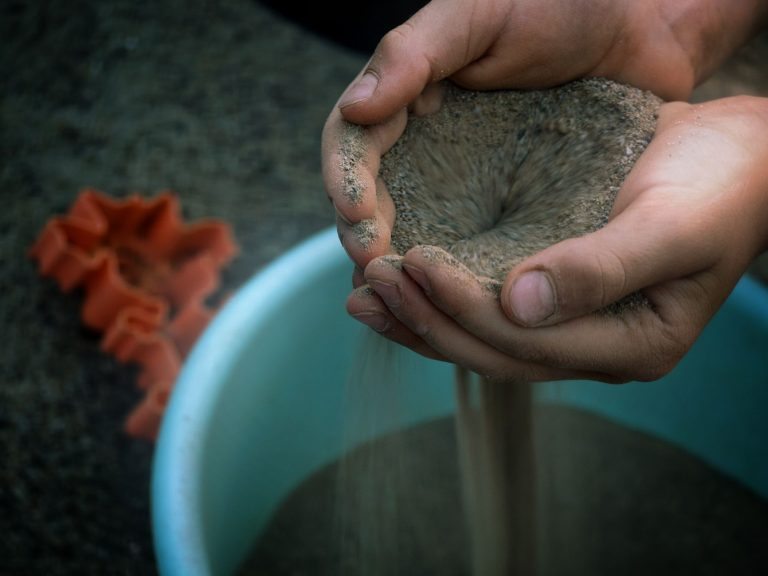
Sand filters rely on a bed of graded silica that traps particles as water passes downward. Over weeks the top layer cakes with dirt, algae, and oils, raising pressure until the gauge reads ten to fifteen pounds above the clean baseline. Cartridge filters use pleated polyester that captures finer material but collapses or blinds when neglected, producing the same dirty filter low pressure symptom. DE filters coat grids with diatomaceous earth powder that forms a porous cake; once that cake cracks or packs solid, flow plummets and pressure spikes appear on the gauge.
Each type has a manufacturer-recommended cleaning interval. Most sand units need backwashing when pressure rises eight to ten pounds, while cartridge elements should be removed and rinsed every four to six weeks during heavy use. DE grids require disassembly and hosing every month or two. Skipping these steps turns normal filtration into the classic dirty filter low pressure problem that reduces turnover rate and lets contaminants stay in the water longer.
Recognizing Dirty Filter Low Pressure Symptoms Early
Watch the pressure gauge first. A clean system usually runs at fifteen to twenty pounds; any sustained climb signals restriction. You may also see weak water returning from the jets, air bubbles in the pump basket, or a pump that cycles on and off more often. Cloudy water appears because suspended particles no longer reach the filter at proper velocity. These signs appear gradually, so weekly gauge readings catch the issue before the motor overheats or the impeller cavitates.
Another indicator is longer run times needed to achieve the same clarity. A pump that once cleared the pool in eight hours now requires ten or twelve. In most systems the extra hours translate directly into higher electricity use and faster wear on seals and bearings. Addressing dirty filter low pressure at the first pressure increase avoids these secondary costs.
Step-by-Step Troubleshooting
Turn the pump off and isolate power before opening any housing. Check the pressure gauge against the clean baseline marked on startup. If the reading sits high, backwash a sand filter or remove and rinse a cartridge element. For DE units, bump the handle or break down the grids for thorough cleaning. After service, restart and note the new pressure; it should drop close to the original value. The follow-up piece Why Does Intex Saltwater Pump Low Flow? covers this in more practical detail.
If pressure remains high after cleaning, inspect the pump basket for leaves or the impeller for debris. A clogged impeller creates the same symptoms as a dirty filter low pressure event but originates upstream. Rinse the basket and check the impeller eye with a flashlight. Persistent high pressure after these steps points to a cracked lateral in sand filters or a collapsed cartridge that needs replacement.
Repair Costs and Replacement Decisions
Basic maintenance stays inexpensive. A new cartridge element runs thirty to sixty dollars, while DE powder refills cost about twenty dollars per application. Sand replacement every five to seven years averages one hundred fifty dollars including labor. In contrast, replacing an overheated pump motor because dirty filter low pressure was ignored can exceed four hundred dollars plus installation.
Compare the age of the filter tank with the cost of repeated cleanings. Tanks older than ten years often develop hairline cracks that leak once pressure normalizes. When repair quotes approach half the price of a new filter, replacement becomes the practical choice. Many owners keep the existing pump and simply swap the tank to restore proper flow without touching the motor.
One useful internal reference appears when circulation problems persist: owners sometimes need to fix my pool pump after months of running against elevated resistance. Intex sand filter pump low flow situations follow the same pattern when the filter is the hidden culprit.
Maintenance Schedule That Prevents Problems
Mark the clean pressure on the gauge the day you open the pool. Check it every seven days during the season and after heavy rain or leaf drop. Backwash or rinse when the needle climbs eight pounds. Empty the pump basket weekly and inspect the impeller monthly. These habits keep dirty filter low pressure from developing in the first place.
Store cartridges and DE grids indoors during winter to avoid cracking. Replace o-rings and gaskets annually so lids seal without forcing extra pressure through the system. A small tube of silicone lubricant on the tank o-ring prevents air leaks that mimic filter restriction. Consistent attention to these details maintains design flow and protects the motor.
FAQ
How often should I check my filter pressure gauge?
Read the gauge once a week during normal use and after storms. Record the clean baseline when the system first starts each season. A rise of eight to ten pounds above that mark tells you cleaning is due. Consistent checks catch dirty filter low pressure before the pump labors or water clouds. Many owners tape a small card to the filter housing with the target number for quick reference.
Can I run the pump with high pressure to clear cloudy water faster?
Running longer against restriction only generates heat and shortens motor life. The filter already blocks flow, so extra hours achieve little. Clean the element first, then resume normal schedule. Most pools regain clarity within one turnover after pressure returns to baseline. Extended high-pressure operation often leads to impeller damage that requires later swimming pool pump impeller replacement.
Why does my pressure stay high after backwashing?
Debris may have migrated into laterals or the underdrain. Sand can also compact over years and lose porosity. Remove the laterals for inspection or replace the sand bed. Cartridge pleats sometimes tear and shed fibers into the lines, creating downstream blockage. A thorough inspection after cleaning usually reveals the cause.
Is it cheaper to repair or replace an old filter tank?
Tanks older than eight to ten years often crack when pressure normalizes after cleaning. Repair kits for hairline cracks cost little but rarely last. Compare quotes: a new tank runs two hundred to four hundred dollars installed, while repeated patch attempts add up. Replacement restores warranty coverage and avoids repeat labor.
Does a dirty filter damage the pool pump motor?
Yes. Elevated resistance makes the motor draw more amperage and run hotter. Over months this cooks windings and dries bearings. Many motors fail only after prolonged dirty filter low pressure episodes. Installing a new motor without fixing the filter simply repeats the cycle.
Final Thoughts on Keeping Pressure Normal
Dirty filter low pressure remains one of the most common yet preventable issues for residential pools. Regular gauge checks, timely cleaning, and prompt element replacement keep flow at design levels and protect the pump. When symptoms appear, follow the simple troubleshooting sequence before calling for service. A few minutes each week saves hundreds of dollars and keeps water clear all season.
Source: Swimming pool filter overview on Wikipedia
Related Topics
- Balancing Pool Pump Pressure After Adding New Equipment
- Checking and Replacing Worn Pool Pump Seals for Better Flow
- Cleaning Impellers to Restore Pool Pump Flow Rate
- Pool Filter Troubleshooting For Models From Pentair And Hayward
- Eight Pool Filter Failures Homeowners Encounter Most Often