Hayward filter media compaction causes
Pool owners across the United States often face circulation issues with their equipment, and hayward pool filter troubleshooting ranks among the most common searches for those dealing with sand, cartridge, or DE models. Reduced flow or complete stoppage disrupts daily maintenance and can lead to cloudy water or equipment strain if left unaddressed. The three main Hayward filter families each present distinct failure points that require targeted diagnosis rather than guesswork. Many homeowners first notice the problem during routine skimming or when the return jets lose their usual force, prompting a deeper look into the entire system rather than assuming one single component has failed overnight.
Hayward pool filter troubleshooting starts with verifying basic pump operation and valve positions before diving into media or mechanical faults. A direct answer is that circulation stops most often from clogged media, worn impellers, or air intrusion in suction lines. These problems appear gradually or suddenly depending on maintenance history and water chemistry balance. In practice, starting with the easiest checks prevents unnecessary disassembly and saves hours of frustration, especially when the issue turns out to be something as simple as a partially closed valve after a recent backwash cycle.
Sand bed hard crust blocks water flow
Sand filter media compaction
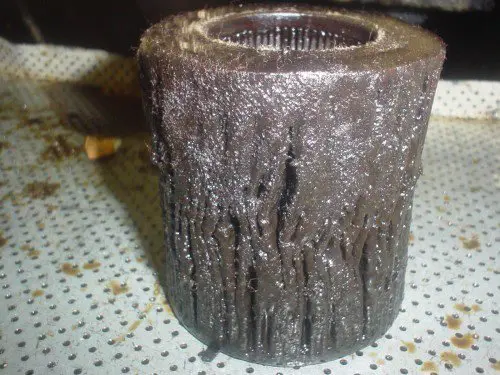
Sand beds in Hayward filters settle and channel over seasons of use, which restricts water passage and raises pressure readings on the gauge. Owners notice flow drop when the top layer hardens from fine debris and body oils that normal backwashing fails to remove. In most systems this compaction builds after two or three years without a full media replacement. Over time, the hardened crust acts like a barrier that forces water to find paths of least resistance, creating those telltale channels visible on the surface. Many owners first encounter this during hayward pool filter troubleshooting.
Diagnosis involves shutting down the pump, relieving pressure, and inspecting the sand surface for cracks or uneven texture. If channels exist, water bypasses the filter bed entirely and returns dirty to the pool. Fluffing the sand with a specialized tool or replacing it restores circulation without further disassembly. A practical tip is to perform this inspection on a bright day so sunlight highlights surface irregularities that might otherwise go unnoticed in shaded pool areas.
Real-world cases show that adding a sand filter cleaner during backwash cycles slows compaction. Always follow the manufacturer’s backwash duration guidelines to avoid leaving residue that accelerates the issue. When media reaches the end of its life, fresh 20-grade silica sand returns normal flow rates. Replacing compacted sand on a regular schedule often eliminates recurring pressure spikes that require frequent backwashing during peak summer heat.
Preventive Maintenance Tips for Sand Filters
Establishing a seasonal schedule helps extend media life. Test your water chemistry weekly and adjust calcium hardness to prevent scale buildup on the sand grains. After heavy pool parties or storms, run an extended backwash followed by a rinse to clear out organic matter before it settles deep into the bed. Consider installing a leaf canister upstream to reduce the load on the filter itself, which in turn keeps compaction from forming as quickly. Following these steps makes hayward pool filter troubleshooting far less frequent.
Cartridge pleat clogging
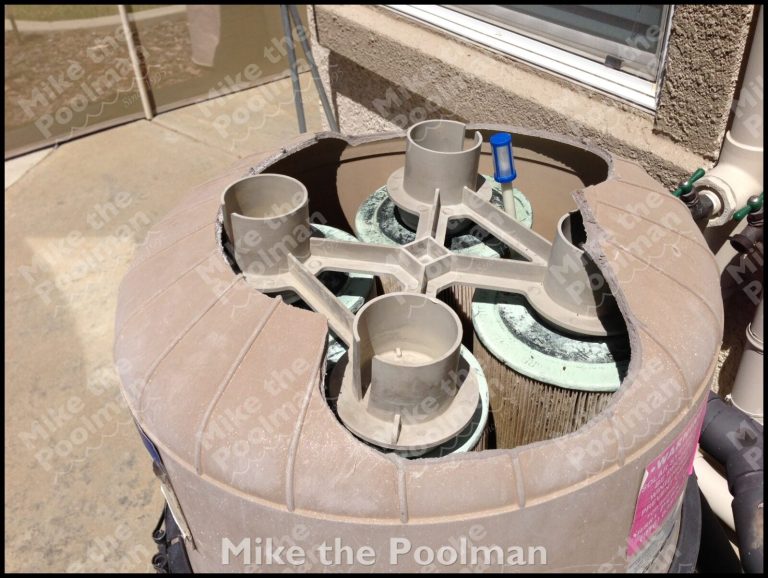
Hayward cartridge filters trap particles between tightly folded pleats that collapse when overloaded with algae or sunscreen residue. Flow loss appears first as longer filtration cycles and then as complete stoppage once the pleats pack solid. Regular rinsing with a garden hose removes surface dirt, yet deep cleaning every four to six weeks prevents total blockage. In regions with high pollen counts or nearby construction dust, you may need to shorten those intervals to every three weeks to stay ahead of the problem.
Owners can remove the cartridge and hold it to light to check for blocked areas between folds. Dark streaks indicate heavy loading that requires soaking in a filter cleaner solution overnight. Replacement cartridges cost more than cleaning supplies but become necessary once pleats tear or deform permanently. Switching to a higher-micron cartridge during winter months often reduces cleaning frequency while still maintaining clarity.
Matching the correct micron rating to local water conditions keeps performance steady. Cartridge models also benefit from a pre-filter screen that catches larger debris before it reaches the pleats. Consistent maintenance intervals avoid the sudden circulation failures that prompt emergency hayward pool filter troubleshooting calls. Always let the cartridge dry completely before reinstallation so trapped moisture does not promote mold growth inside the tank. For the adjacent problem, Hayward S200 Sand Filter Troubleshooting Low Flow in Seven Steps goes deeper into the specifics.
DE grid coating failure
DE filters rely on a uniform coating of diatomaceous earth across grids that cracks or washes away when the pump cycles too frequently or chemistry drifts. Once the coating fails, dirt passes straight through and circulation slows because the grids themselves begin to clog with unfiltered material. Visual inspection after opening the tank reveals bare spots or clumped powder. Pool owners who run the pump on a timer with short cycles often see this problem appear faster than those using longer, steady runs. Spotting the signs early is a core part of hayward pool filter troubleshooting.
Recharging with the correct amount of DE restores the barrier and normal flow. Too little powder leaves gaps, while excess can migrate into the pool and create new problems. Grid damage from improper cleaning shows as tears that no amount of fresh DE can seal. A practical tip is to mix the DE slurry in a bucket first rather than pouring it directly into the skimmer, which distributes the powder more evenly across the grids.
Many Hayward DE owners schedule annual grid inspections during spring opening. Replacing worn grids before they disintegrate prevents costly tank cleanouts later. Stable pH and regular backwashing keep the coating intact longer than reactive fixes. Adding a small amount of DE clarifier monthly often helps the coating last through an entire season without recharging.
Pump impeller damage
The impeller inside the Hayward pump creates the pressure that pushes water through the filter. When debris or chemical imbalance wears the vanes, flow drops even though the motor runs. A common sign is a humming motor paired with weak return jets at the pool. Over time, even small amounts of sand or leaves that slip past the strainer basket can erode the impeller edges, gradually reducing efficiency until circulation stops altogether.
Removing the pump housing allows visual checking of the impeller for chips or erosion. Replacement impellers fit most models and restore original flow without replacing the entire pump. Bearings that seize from water intrusion create similar symptoms and require motor service at the same time. Always shut off power at the breaker before opening the housing to avoid electrical hazards during inspection.
Strainer baskets that stay clean reduce the chance of impeller damage. Checking for foreign objects after storms or leaf events prevents sudden failures. Regular hayward pool filter troubleshooting includes listening for unusual motor noises that signal impeller wear before circulation stops completely. Many technicians recommend replacing the impeller every five years as preventive maintenance, especially in pools with heavy debris loads.
Multiport valve leaks
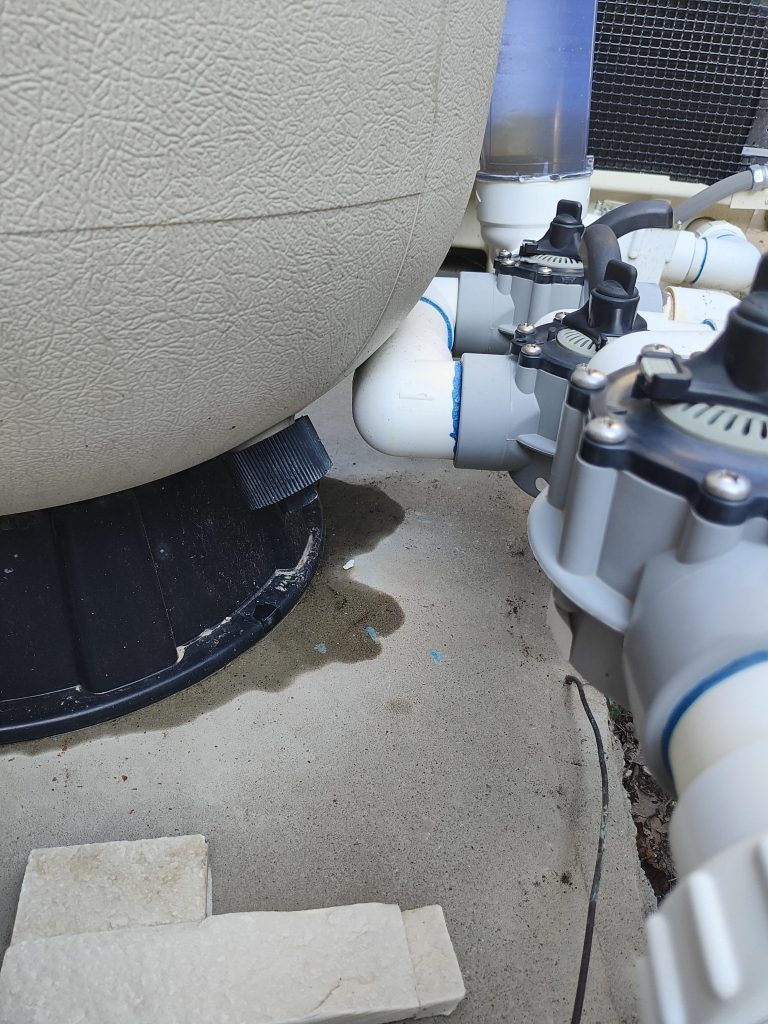
The multiport valve directs water during filtration, backwash, and rinse cycles. Internal seals degrade from constant pressure and chemical exposure, allowing water to bypass the filter or leak externally. Circulation suffers when the valve routes flow incorrectly or air enters through worn gaskets. In older installations, the valve spider gasket often fails first, sending a portion of the water straight to waste even during normal filtration.
Testing involves running the pump in each valve position and watching for drips at the waste port or pressure inconsistencies. Rebuilding kits containing new seals and gaskets solve most leaks without full valve replacement. Alignment marks on the valve handle must match the intended function to avoid accidental bypass. A helpful habit is to mark the handle positions with waterproof tape so family members can easily return the valve to the correct setting after any maintenance.
Pool owners who leave the valve in one position for months accelerate seal wear. Rotating through settings during weekly maintenance extends valve life. When leaks persist after a rebuild, the valve body itself may need replacement to regain reliable circulation. Many owners keep a spare gasket set on hand for quick seasonal repairs.
Air leaks in suction lines
Air entering through loose unions, cracked pipes, or failing O-rings prevents the pump from maintaining prime and stops water from reaching the filter. Bubbles in the pump basket or a gurgling sound during operation point to suction-side leaks. These issues worsen in warmer months when expansion widens small gaps. Underground suction lines are especially vulnerable after several freeze-thaw cycles in colder climates.
Systematic tightening of all threaded connections and replacement of worn O-rings restores prime quickly. Persistent air requires pressure testing the lines to locate underground cracks. Once sealed, the pump regains full flow and filter circulation returns to normal. A practical approach is to apply a thin layer of silicone grease to O-rings during reassembly, which improves the seal and makes future removal easier.
Keeping the pump basket full and the lid sealed prevents air from entering during startup. Seasonal inspection of visible suction plumbing catches problems early. Hayward pool filter troubleshooting always includes checking for air before assuming the filter media itself is at fault. Many circulation calls each spring trace back to air leaks introduced during winter cover removal.
At a Glance
- Verify the pump runs and the multiport valve sits in the correct filter position before any disassembly.
- Check the pressure gauge for readings above normal to spot compaction or clogging early.
- Inspect the pump basket and impeller for debris that restricts flow to the filter.
- Look for visible leaks or air bubbles that indicate suction line or valve seal failures.
- Compare current flow at the returns against normal output to confirm whether the issue is filter-specific or pump-related.
- Listen for unusual motor sounds and check water chemistry balance as early warning signs of developing problems.
Frequently Asked Questions
How often should I backwash my Hayward sand filter?
Backwash when the pressure gauge rises 8 to 10 psi above the clean starting reading, typically every two to four weeks during heavy use. Always follow with a rinse cycle to settle the sand bed before returning to filtration.
Can I use a different brand of DE powder in my Hayward filter?
Yes, but stick to the recommended amount and grade specified in your manual. Using incompatible powder can reduce filtration efficiency or damage the grids over time.
What should I do if my cartridge keeps clogging quickly?
Install a pre-filter or leaf canister, shorten cleaning intervals, and verify your water chemistry is balanced. Persistent issues may require switching to a different micron rating suited to your local conditions.
Systematic troubleshooting and repair advice
Most circulation problems yield to systematic hayward pool filter troubleshooting that begins with simple checks and progresses to media or mechanical repairs. Homeowners comfortable with basic tools can handle media cleaning, cartridge rinsing, and O-ring replacements themselves. When the motor hums without flow or leaks appear inside the pump, professional service prevents further damage. Taking notes on pressure readings and maintenance dates creates a helpful history that speeds up future diagnostics.
Model-specific parts remain available through Hayward distributors, and comparing repair costs against the age of the equipment guides replacement decisions. Consistent weekly maintenance and proper winterization reduce the frequency of these issues across sand, cartridge, and DE systems. Related topics include pentair sand filter troubleshooting and pool filter housing leaking for owners managing mixed equipment. With proactive care, most Hayward filters deliver years of reliable circulation and clear water.
Related Topics
- Sand Versus Cartridge Versus DE Hayward Filters When Flow Drops
- Five Frequent Hayward Filter Failures Owners Encounter Each Season
- Fixing Low Flow on an S200 Sand Filter in Seven Steps
- Pool Filter Troubleshooting For Models From Pentair And Hayward
- Eight Pool Filter Failures Homeowners Encounter Most Often