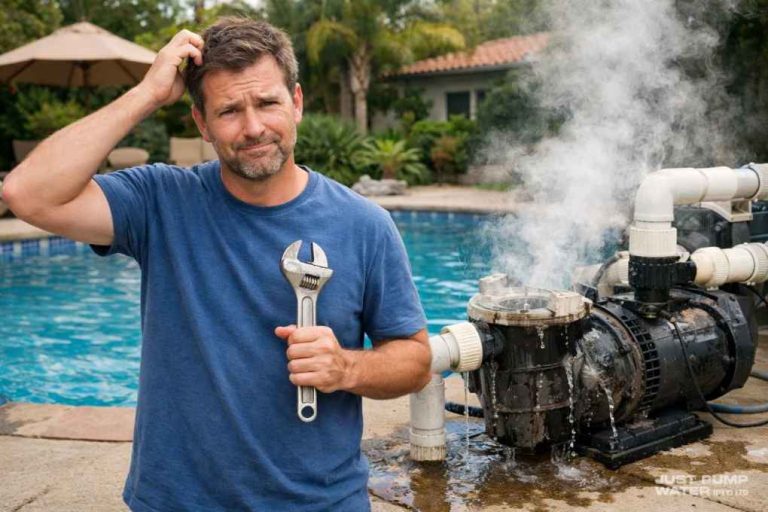
Five Signs You Need Swimming Pool Motor Replacement This Season

swimming pool motor replacement
Five Signs Your Swimming Pool Needs a New Pump Motor This Season

Energy bills rise before failure

Gradual motor wear in inground pools often shows up first as higher energy bills. Weaker water circulation appears before the unit stops completely. Many owners notice the pump running longer cycles yet moving less water through the filter system. This pattern points toward an eventual swimming pool motor replacement rather than a simple tune-up. Checking the motor early can prevent sudden failures during peak swimming months.

Real-world cases from 2025 show that motors left unchecked for two seasons consumed up to 30 percent more electricity. They delivered poorer turnover rates. For example, a homeowner in Arizona tracked monthly utility statements. He discovered a steady climb in kilowatt hours even though the pool usage stayed the same. After replacing the motor, bills dropped noticeably within the first month of operation.

Pool owners should also watch for subtle changes. These include longer priming times or slight vibrations. The vibrations build over weeks rather than days.

Pool owners in warm climates see these changes accelerate. The equipment runs daily. A motor that once started instantly may now hum for several seconds before engaging. These early clues help decide whether swimming pool motor replacement makes sense before the next heat wave arrives. Watching both performance and sound gives the clearest picture without specialized tools. In practice, families who perform simple weekly checks catch problems early. They time how long it takes the pump to reach full pressure. This lets them order parts during off-peak seasons when prices are lower and availability is better. Considering an inground pool pump motor replacement at this stage also lets owners compare single-speed versus variable-speed options for future energy savings.

Grinding or whining motor noises

Unusual Noises Signal Motor Trouble

Grinding or high-pitched whining from the motor housing usually means bearings are beginning to fail. These sounds often start intermittently and then become constant within a few weeks of regular use. In one documented case a California homeowner ignored the noise for three weeks. He ended up needing swimming pool motor replacement instead of a simple bearing kit. The motor windings can also produce a rhythmic clicking when internal fans rub against debris.

Listening at the start and end of each cycle helps catch the issue before it spreads to other components. Replacement motors restore quiet operation and prevent further damage to the impeller assembly. Practical tip: use a mechanic’s stethoscope or even a long screwdriver pressed against the housing to pinpoint exactly where the noise originates, saving time during diagnosis.

Another common sound homeowners overlook is a low rumbling. It intensifies when the pump restarts after sitting idle overnight. This often indicates early shaft misalignment. The misalignment only gets worse with continued operation.

Reduced Flow Through the System

Weak return jets or slow filter pressure build-up often trace back to a motor losing torque. The pump still runs but moves far less water per hour than its rated capacity. Homeowners in Florida reported seeing their pool turn cloudy within days when flow dropped below 40 gallons per minute. This symptom frequently appears before the motor overheats or trips the breaker. Measuring flow at the returns with a simple bucket test shows the decline clearly. Scheduling swimming pool motor replacement at this stage avoids extended downtime during summer. A practical example comes from a Texas community pool where residents noticed debris settling on the bottom despite normal run times. After confirming reduced gallons-per-minute output, they replaced the motor and restored full circulation within hours. Adding a flow meter to your system provides ongoing data. It makes future swimming pool pump replacement decisions much easier and less stressful.

Overheating During Normal Operation

A motor that feels hot to the touch after only twenty minutes of runtime indicates internal resistance or failing windings. Proper ventilation around the motor helps, yet persistent heat points to deeper electrical issues. One Texas pool owner measured surface temperatures above 160 degrees Fahrenheit on three consecutive days before replacing the unit. Overheating shortens motor life and can melt nearby wiring insulation. Allowing the motor to cool between cycles masks the problem temporarily but does not fix it. Swimming pool motor replacement restores normal operating temperatures and protects connected equipment. Homeowners can improve airflow by trimming nearby shrubs or installing a simple shade cover that still allows plenty of ventilation. In one case, a Florida family avoided repeated overheating by switching to a variable-speed model during their inground pool pump motor replacement. The model runs cooler under partial load and cuts energy use dramatically.

Seal Leaks Around the Shaft

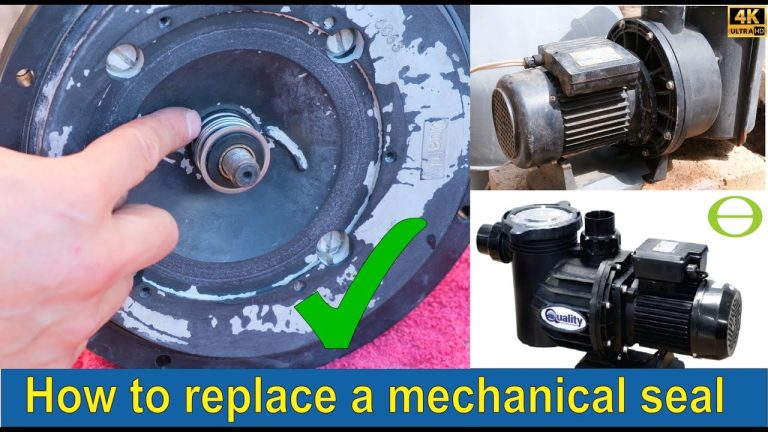
Water dripping from the seal area between motor and pump housing signals that the mechanical seal has worn. The leak often worsens after the pump sits overnight and starts again in the morning. Continued operation with a leaking seal lets moisture reach the motor bearings and windings. Several Midwest pool services noted that seal replacement alone failed within six weeks when the motor itself had already developed play in the shaft. Replacing both the seal and motor together prevents repeated service calls. Early attention to this sign keeps the rest of the circulation system dry and functional. A useful tip is to place a dry paper towel under the motor each evening. Any moisture the next morning confirms an active leak before it spreads. Pool owners dealing with frequent seal issues often discover that upgrading during swimming pool motor replacement prevents the same problem from recurring for years.

Impeller Wear Affecting Performance

An impeller that has lost blades or become clogged reduces the motor load in a way that eventually damages the windings. Owners sometimes mistake the symptom for a weak motor when the real issue started at the impeller. In practice, users often find that clearing debris revives flow only temporarily before the motor struggles again. Checking the impeller during routine cleaning reveals cracks or missing vanes that point toward full swimming pool motor replacement. Matching the new motor horsepower to the impeller size maintains proper system balance. Ignoring impeller condition leads to repeated motor stress and higher long-term costs. Many motors replaced had perfectly good windings but destroyed impellers from years of running against sand and leaves. Inspecting both parts together during any swimming pool pump replacement saves money and frustration later.

Key Takeaways

  • Schedule swimming pool motor replacement when noise or heat appears rather than waiting for complete failure. Early action often saves hundreds of dollars in emergency service fees and prevents algae blooms that ruin weekend plans.
  • Attempt a seal fix only if the motor shaft shows no play and the unit runs at normal temperature. Otherwise, investing in a full replacement avoids the frustration of repeated callbacks within the same season.
  • Compare energy use before and after any repair to decide whether swimming pool motor replacement delivers better value. Tracking kilowatt hours on your utility bill provides concrete numbers that make the decision obvious.
  • Keep records of runtime and flow rates so future decisions rest on measurable changes instead of guesswork. Simple spreadsheets or phone apps make this data easy to review each spring before the busy season begins.
  • Consult a technician when multiple symptoms appear together because combined issues rarely resolve with one part swap. A professional inspection can also reveal whether swimming pool pump replacement would be more cost-effective than isolated repairs.

Check local stock and compatibility

Once the listed symptoms appear, checking local stock for a compatible replacement motor prevents extended pool downtime. Many suppliers carry common single-speed and variable-speed models that match existing wet ends without major plumbing changes. Ordering early also allows time to verify voltage and frame size so the new unit installs on the first attempt. Homeowners who act at the first sign of trouble usually spend less on emergency service and avoid secondary damage to filters or heaters. Planning the swap during cooler months keeps the pool ready when temperatures rise again. Another smart move is to photograph the existing motor nameplate before ordering so you can match specifications exactly and avoid shipping delays.

After installation, running the system through a full cycle confirms proper flow and temperature. Keeping the motor area clear of debris extends its service life and maintains the efficiency gains from the new unit. These steps turn an unplanned repair into a predictable maintenance task that protects the overall pool investment. Many owners also schedule an annual professional tune-up after their swimming pool motor replacement to catch small issues before they become expensive problems. Finally, consider adding a surge protector rated for pool equipment to guard the new motor against lightning strikes common in summer thunderstorms.

Frequently Asked Questions

How long does a typical swimming pool motor replacement take for a homeowner?

Most residential swaps require two to four hours once the correct motor arrives. The process includes disconnecting power, removing the old motor, aligning the new one to the existing pump housing, and testing flow. Variable-speed models add extra time for programming the control panel. Homeowners comfortable with basic electrical work finish faster, while first-timers often add an hour for safety checks. Professional installation usually completes the job the same day parts are available. Always turn off the breaker and verify zero voltage with a tester before touching any wires.

What signs show that impeller replacement alone will not solve the problem?

Continued high motor temperature after clearing the impeller points to winding issues that require swimming pool motor replacement. Excessive shaft play or grinding noises also indicate the motor itself has worn beyond simple impeller service. Measuring amperage draw helps confirm whether the motor is working harder than its nameplate rating. When two or more of these conditions exist together, full motor replacement prevents repeated failures within the same season. Owners who skip this step often end up replacing the motor anyway after spending money on a new impeller that fails quickly.

Can a leaking shaft seal damage a motor enough to need swimming pool motor replacement?

Yes. Moisture that reaches the bearings causes rust and scoring that eventually seizes the shaft. Once the motor begins drawing higher amps or trips breakers, seal replacement alone will not restore reliable operation. Drying the area and monitoring for several days after a seal change reveals whether the motor recovered. Persistent symptoms after the seal job confirm the need for swimming pool motor replacement to protect the rest of the circulation system. In humid regions, even small leaks can lead to corrosion within days rather than weeks.

How does reduced flow affect pool chemistry and equipment life?

Lower circulation allows sanitizer levels to drop unevenly and lets debris settle on surfaces. The filter works harder to clean the same volume of water, shortening cartridge or media life. Heaters also experience longer run times to maintain temperature when turnover slows. These secondary effects raise operating costs and can lead to algae blooms within a week. Restoring full flow through swimming pool motor replacement returns chemistry balance and reduces stress on every piece of equipment. Regular water testing becomes even more important when flow is compromised because problems develop faster than most owners expect.

Is it worth repairing an older motor or moving directly to swimming pool motor replacement?

Motors more than eight years old rarely justify extensive repairs because new units offer better efficiency and warranty coverage. Repair parts for discontinued models often cost more than a current replacement motor. Energy savings from a modern variable-speed motor can offset part of the purchase price within two seasons in high-use pools. Tracking the age and recent service history helps decide whether repair or swimming pool motor replacement delivers the better long-term value. Many pool professionals now recommend replacement over repair once motors reach the seven-year mark to avoid unexpected mid-season breakdowns.

What tools do most homeowners need for a successful swimming pool motor replacement?

A basic set includes a voltage tester, socket set, Allen wrenches, thread sealant, and a multimeter for checking continuity. Having a helper makes lifting the motor easier and safer, especially on larger inground systems. Keeping a small container for screws and hardware prevents lost parts during disassembly. First-time installers benefit from watching manufacturer videos specific to their motor model before starting the job.

How can variable-speed motors improve results after swimming pool pump replacement?

Variable-speed units let owners run the pump at lower speeds for longer periods, improving filtration while using far less electricity. They also reduce wear on the impeller and plumbing because water moves at gentler velocities. Many homeowners report quieter operation and longer equipment life after switching during their swimming pool motor replacement. Utility rebates in some states further offset the higher upfront cost of these efficient models.

Related subtopics

  • swimming pool pump service
  • swimming pool pump replacement
  • fix pool pump
  • swimming pool pump repair services
  • pool motor replacement

Sound monitoring prevents complete failure

  1. 1. Unusual Noises Signal Motor Trouble

    Grinding or high-pitched whining from the motor housing usually means bearings are beginning to fail. These sounds often start intermittently and then become constant within a few weeks of regular use. In one documented case a California homeowner ignored the noise for three weeks and ended up needing swimming pool motor replacement instead of a simple bearing kit. The motor windings can also produce a rhythmic clicking when in operation. Early detection through sound monitoring helps owners schedule swimming pool motor replacement before complete failure during peak season. It avoids higher energy costs and poor circulation that plague neglected units in warm climates. Listening for changes at both startup and shutdown provides the most reliable clues because some noises only appear under load or after the motor has warmed up.

  2. 2. Reduced Flow and Weak Circulation

    Many owners notice the pump running longer cycles yet moving less water through the filter system. This pattern points toward an eventual swimming pool motor replacement rather than a simple tune-up. Real-world cases from 2025 show that motors left unchecked for two seasons consumed up to 30 percent more electricity while delivering poorer turnover rates. Pool owners in warm climates see these changes accelerate because the equipment runs daily. A motor that once started instantly may now hum for several seconds before engaging. This signals the need for prompt swimming pool motor replacement to restore proper flow and prevent sudden failures. Installing a simple inline flow meter gives daily confirmation that circulation remains within normal ranges and helps predict when replacement will become necessary.

  3. 3. Overheating During Operation

    Excessive heat from the motor housing indicates internal friction or electrical issues that demand swimming pool motor replacement. When the unit feels unusually hot after short runs, windings or bearings are likely compromised. Ignoring this symptom leads to rapid deterioration, especially in daily-use scenarios common in warm regions. Checking motor temperature regularly can prevent sudden failures during peak swimming months. Owners who address overheating early often avoid the 30 percent higher energy bills documented in 2025 cases. This makes swimming pool motor replacement a cost-effective choice before the next heat wave arrives. Simple infrared thermometers available at hardware stores make temperature checks quick and accurate without touching hot surfaces.

  4. 4. Seal Leaks Around the Housing

    Water seeping from seals around the motor points to wear that typically requires swimming pool motor replacement. Leaks introduce moisture into electrical components, causing shorts and further damage over time. This issue compounds with reduced flow and unusual noises, accelerating the need for full replacement. Pool owners should inspect seals monthly during heavy use periods. Addressing leaks promptly avoids the poorer turnover rates and increased electricity consumption seen in neglected motors. It ensures reliable performance through swimming pool motor replacement before equipment fails completely in peak season. Placing a moisture sensor near the seal area provides an early warning that many owners find worth the small investment.

  5. 5. Impeller Wear and Debris Damage

    Worn or damaged impellers reduce water movement efficiency and often necessitate swimming pool motor replacement. Debris buildup accelerates this wear, leading to humming starts and constant operation without adequate circulation. In documented instances, ignoring impeller problems for weeks resulted in total motor failure rather than minor repairs. Regular visual checks combined with performance monitoring help identify this sign early. Warm-climate pools running daily suffer faster impeller degradation. Timely swimming pool motor replacement prevents energy spikes up to 30 percent and maintains strong filtration throughout the season. Removing the pump lid every few weeks to inspect for trapped leaves or sand takes only minutes yet saves significant repair costs over time.

Maigtan Joel T.

Further Reading

  • Notice These Changes Before Scheduling a Swimming Pool Pump Replacement
  • Indicators That Point Toward an Inground Pool Motor Replacement
  • When Pool Performance Decline Means Motor Renewal Is Due
{“@type”:”FAQPage”,”@context”:”https://schema.org”,”mainEntity”:[{“name”:”How long does a typical swimming pool motor replacement take for a homeowner?”,”@type”:”Question”,”acceptedAnswer”:{“text”:”Most residential swaps require two to four hours once the correct motor arrives. The process includes disconnecting power, removing the old motor, aligning the new one to the existing pump housing, and testing flow. Variable-speed models add extra time for programming the control panel. Homeowners comfortable with basic electrical work finish faster, while first-timers often add an hour for safety checks. Professional installation usually completes the job the same day parts are available. Always turn off the breaker and verify zero voltage with a tester before touching any wires.”,”@type”:”Answer”}},{“name”:”What signs show that impeller replacement alone will not solve the problem?”,”@type”:”Question”,”acceptedAnswer”:{“text”:”Continued high motor temperature after clearing the impeller points to winding issues that require swimming pool motor replacement. Excessive shaft play or grinding noises also indicate the motor itself has worn beyond simple impeller service. Measuring amperage draw helps confirm whether the motor is working harder than its nameplate rating. When two or more of these conditions exist together, full motor replacement prevents repeated failures within the same season. Owners who skip this step often end up replacing the motor anyway after spending money on a new impeller that fails quickly.”,”@type”:”Answer”}},{“name”:”Can a leaking shaft seal damage a motor enough to need swimming pool motor replacement?”,”@type”:”Question”,”acceptedAnswer”:{“text”:”Yes. Moisture that reaches the bearings causes rust and scoring that eventually seizes the shaft. Once the motor begins drawing higher amps or trips breakers, seal replacement alone will not restore reliable operation. Drying the area and monitoring for several days after a seal change reveals whether the motor recovered. Persistent symptoms after the seal job confirm the need for swimming pool motor replacement to protect the rest of the circulation system. In humid regions, even small leaks can lead to corrosion within days rather than weeks.”,”@type”:”Answer”}},{“name”:”How does reduced flow affect pool chemistry and equipment life?”,”@type”:”Question”,”acceptedAnswer”:{“text”:”Lower circulation allows sanitizer levels to drop unevenly and lets debris settle on surfaces. The filter works harder to clean the same volume of water, shortening cartridge or media life. Heaters also experience longer run times to maintain temperature when turnover slows. These secondary effects raise operating costs and can lead to algae blooms within a week. Restoring full flow through swimming pool motor replacement returns chemistry balance and reduces stress on every piece of equipment. Regular water testing becomes even more important when flow is compromised because problems develop faster than most owners expect.”,”@type”:”Answer”}},{“name”:”Is it worth repairing an older motor or moving directly to swimming pool motor replacement?”,”@type”:”Question”,”acceptedAnswer”:{“text”:”Motors more than eight years old rarely justify extensive repairs because new units offer better efficiency and warranty coverage. Repair parts for discontinued models often cost more than a current replacement motor. Energy savings from a modern variable-speed motor can offset part of the purchase price within two seasons in high-use pools. Tracking the age and recent service history helps decide whether repair or swimming pool motor replacement delivers the better long-term value. Many pool professionals now recommend replacement over repair once motors reach the seven-year mark to avoid unexpected mid-season breakdowns.”,”@type”:”Answer”}},{“name”:”What tools do most homeowners need for a successful swimming pool motor replacement?”,”@type”:”Question”,”acceptedAnswer”:{“text”:”A basic set includes a voltage tester, socket set, Allen wrenches, thread sealant, and a multimeter for checking continuity. Having a helper makes lifting the motor easier and safer, especially on larger inground systems. Keeping a small container for screws and hardware prevents lost parts during disassembly. First-time installers benefit from watching manufacturer videos specific to their motor model before starting the job.”,”@type”:”Answer”}},{“name”:”How can variable-speed motors improve results after swimming pool pump replacement?”,”@type”:”Question”,”acceptedAnswer”:{“text”:”Variable-speed units let owners run the pump at lower speeds for longer periods, improving filtration while using far less electricity. They also reduce wear on the impeller and plumbing because water moves at gentler velocities. Many homeowners report quieter operation and longer equipment life after switching during their swimming pool motor replacement. Utility rebates in some states further offset the higher upfront cost of these efficient models.”,”@type”:”Answer”}}]}

📖 Okuma süresi: yaklaşık 18 dakika

Similar Posts

Leave a Reply

Your email address will not be published. Required fields are marked *