Variable Speed Pool Pump Vs Single Speed
Motor Choices When Power Costs Climb or Pumps Fail Often

Pool owners across the United States often face the question of variable speed pool pump vs single speed. This occurs when electricity rates rise or when an older motor starts to fail. The decision affects monthly bills, noise levels around the yard, and how soon another repair might be needed. A variable speed pool pump vs single speed comparison starts with understanding run times. Most pools do not need full power all day long. Single speed motors run at one fixed rate. They use the same amount of electricity whenever they operate. Variable speed models adjust their speed. They draw far less power during long filtration cycles. This difference becomes noticeable on utility statements within the first season after installation.
Variable speed pool pump vs single speed units also differ in how they handle everyday wear. The choice usually comes down to how many hours the pump must run. It also depends on what the local power company charges per kilowatt hour.
Comparison Table

| Feature | Variable Speed Motor | Single Speed Motor |
|---|---|---|
| Energy Consumption | Uses 30 to 50 percent less electricity during extended low-speed filtration. The motor slows to match actual flow needs. | Runs at full speed whenever it operates. This leads to higher kilowatt hour totals on every cycle. |
| Noise Output | Operates quietly at reduced speeds, often below 50 decibels. Neighbors rarely notice it during evening hours. | Produces a steady loud hum at 65 to 70 decibels. The sound can carry across a yard or into open windows. |
| Expected Motor Lifespan | Typically lasts 8 to 12 years when bearings and seals receive regular checks. Lower speeds reduce heat and mechanical stress. | Usually reaches 5 to 7 years before the windings or start capacitor fail. Constant high-speed operation causes the failure. |
| Typical Repair Intervals | Seals and bearings may need attention every 4 to 6 years. The electronic drive board sometimes requires replacement around year seven. | Capacitors and seals often fail by year four. Full motor replacement becomes common by year six in warm climates. |
Energy consumption stands out first in any variable speed pool pump vs single speed review. A variable speed model can drop from 3450 RPM down to 1500 RPM or lower. It still moves enough water to keep the pool clean. That speed reduction cuts power draw dramatically. Electricity use rises with the cube of motor speed. Single speed pumps stay locked at one high RPM. They therefore consume the same high amount of power on every run. Over a 12-hour filtration schedule the difference can reach several hundred kilowatt hours each month in larger pools.
Noise output follows the same pattern when evaluating variable speed pool pump vs single speed. Variable speed motors run so quietly at low speeds that many owners install them near bedroom windows without complaints. Single speed motors create a constant drone that travels farther. This happens especially when the pump sits on a concrete pad without vibration dampeners. Homeowners who value a quiet backyard often choose the variable speed route even before they calculate energy savings.
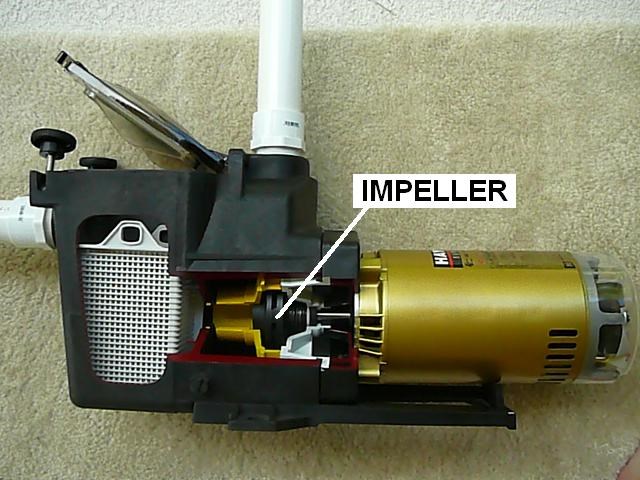
Expected motor lifespan depends on heat and mechanical load. Lower speeds generate less friction and heat inside the windings. Bearings stay cooler and last longer. Single speed motors run hot every hour they operate. This shortens the life of both the motor and the shaft seal. In regions with long swimming seasons the lifespan gap can reach several years.
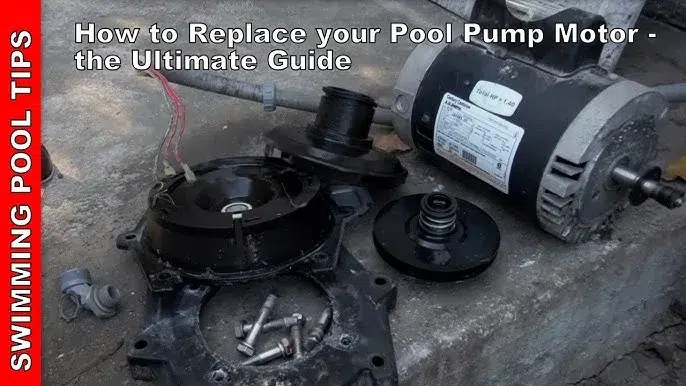
Repair intervals also shift. A variable speed unit may need a new seal or bearing set once every four to six years. The electronic drive board can fail independently. It costs more to replace than a simple capacitor on a single speed motor. Single speed repairs tend to be cheaper and more frequent. Yet the total cost over ten years often exceeds the variable speed path once energy savings are included. Pool pump motor repair records show that variable speed models usually require fewer service calls overall when the drive is protected from power surges.
Pros and Cons

| Aspect | Variable Speed Advantages | Single Speed Drawbacks |
|---|---|---|
| Extended Run Schedules | Can run 12 to 24 hours at low speed without large energy penalties. This improves water clarity and chemical distribution. | High energy cost makes long run times expensive. Owners often shorten cycles and accept cloudier water. |
| Winterizing Steps | Speed can be lowered during colder months to prevent freezing. It still uses little electricity. | Must run full speed or be fully drained. This increases the chance of cracked pipes if temperatures drop suddenly. |
Variable speed motors give owners more flexibility with daily schedules. A pool that needs continuous filtration for algae control can run at the lowest effective speed. It does so without doubling the electric bill. Single speed motors force a trade-off between clean water and high operating cost. This leads many owners to shorten run times and accept occasional cloudy conditions.
Winterizing also differs. Variable speed pumps can drop to a very low RPM that keeps water moving just enough to avoid ice formation. It draws minimal power. Single speed units must either run at full power, which wastes electricity, or be drained completely. This adds steps and risk of damage to pipes and equipment.
Deciding on Your Next Pump Based on Daily Usage
Review your current filtration schedule and recent electric bills before choosing between the two motor types. If the pump runs more than eight hours a day, the energy savings from a variable speed model usually recover the higher purchase price within three seasons. Shorter daily run times make the simpler single speed motor more practical for budget-conscious owners.
Also consider future maintenance. Parts for single speed motors remain widely available and inexpensive. Variable speed drive boards can become harder to source after seven or eight years. Weigh those factors against your planned length of ownership. Many pool owners find that choosing variable speed pool pump vs single speed reduces both monthly costs and the frequency of pool pump motor repair visits over time.
Related subtopics: pool pump motor repair, how long do pool pump motors last, variable speed motor replacement, fixing a pool pump, bestway pool pump problems.
About this guide: This article draws on publicly available manufacturer specifications and standard maintenance intervals to help owners compare motor options for existing setups.
You May Also Like
- Five Frequent Failures That Shorten Pool Pump Motor Life
- Pool Pump Disassembly For Cleaning The Impeller And Seals
- Lifespan Expectations for Pool Pump Motors Facing Seal Leaks
- Repairing Pool Pumps That Leak at Multiple Points
- Variable Speed Pool Pump Versus Single Speed Models Durability Comparison