Motor Failure Patterns in 2026 Pool Systems

Pool owners across the United States deal with motor issues more often than any other pool component. In most systems the motor sits at the heart of circulation. When it stops the whole setup shuts down. Average life for these motors runs five to ten years depending on use and maintenance. pool pump motor repair becomes the first question many face once symptoms appear. For instance, a family in Florida might notice their single-speed motor struggling after six years of nonstop summer operation. A homeowner in Arizona sees faster wear from extreme heat and dust buildup.
The choice between fixing the existing unit and installing a new one hinges on age, cost, and efficiency. Single speed motors often reach the end of useful service faster than variable speed models. Seal failures show up early and create clear signs. Data from typical residential setups shows that motors past the seven-year mark rarely justify extensive work. Homeowners should also consider local water chemistry. High calcium levels can accelerate corrosion on the shaft and bearings. This shortens overall lifespan even further. Many turn to pool pump motor repair before considering full replacement.
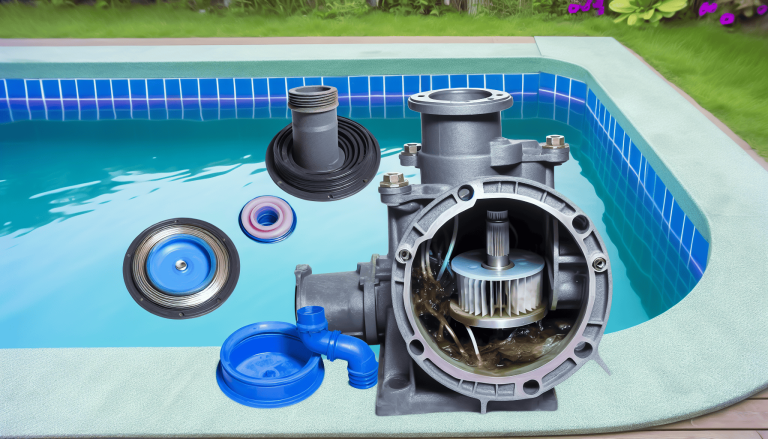
Parts of a pool pump motor include the windings, bearings, capacitor, and shaft seal. When one fails the rest can follow quickly. Homeowners notice noise, heat, or tripped breakers first. These clues point to whether repair makes sense or full replacement is wiser. A practical tip is to keep a simple maintenance log. Note weekly runtime hours and any unusual sounds. This record helps technicians diagnose issues faster. It can prevent small problems from turning into expensive emergencies. Pool pump motor repair often addresses these early clues effectively.
Pool Pump Motor Repair: Common Warning Signs and Early Intervention
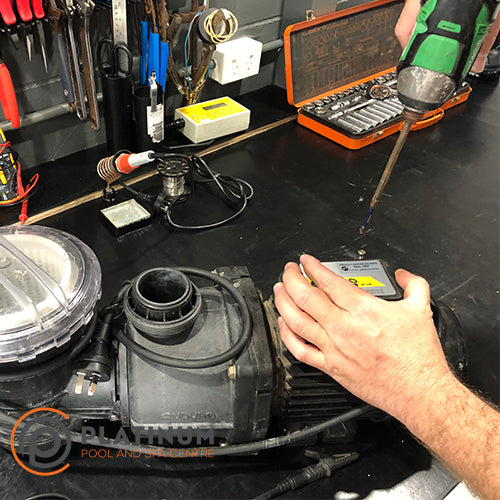
Many pool owners miss the earliest indicators of motor trouble until the system completely fails. Grinding noises often signal worn bearings. Humming without rotation usually points to a bad capacitor. Checking for excessive heat by carefully touching the motor housing after shutdown can reveal overload conditions. This happens before breakers trip repeatedly. Scheduling a professional inspection at the first sign of these symptoms often saves hundreds of dollars. It costs less than emergency repairs during peak season. Timely pool pump motor repair prevents most of these escalations.
Side-by-Side Comparison
Repair decisions become clearer once actual numbers line up. The table below covers three common situations. It shows how costs, remaining life, energy impact, and labor time compare. Figures reflect typical 2026 pricing in the United States for 1.5 horsepower units.
| Scenario | Repair Cost | Expected Remaining Life | Energy Savings | Labor Time |
|---|---|---|---|---|
| Single speed motor | $180–$320 | 2–4 years | None | 1–2 hours |
| Variable speed motor | $450–$650 | 5–7 years | 30–50% vs single speed | 2–3 hours |
| Seal failure only | $120–$200 | 3–5 years | Minimal | 45–90 minutes |
Single speed motors remain common in older pools. When the windings overheat or the capacitor fails, pool pump motor repair can extend service for another season or two. Labor stays low because the housing design is simple. Energy use stays the same after the fix. Owners continue paying higher monthly bills. In one real-world case, a Texas homeowner extended a seven-year-old single-speed motor. He replaced only the start capacitor. This gained two more summers before finally upgrading.
Variable speed motors cost more to repair because the control board and drive add complexity. Yet they deliver real savings on electricity once running again. Many utilities offer rebates for keeping these units in service. Labor time rises because technicians must program the new or rebuilt drive. A variable speed motor replacement often qualifies for local energy incentives. These can offset 20 to 30 percent of the total project cost.
Seal failure appears in both motor types. Water reaches the bearings and creates noise or vibration. A seal swap restores function without touching the electrical parts. Remaining life depends on how much wear already exists in the bearings. This repair often buys enough time to plan a later upgrade. Pool professionals recommend replacing both the seal and bearings together during this service. This avoids repeat labor charges within a year.
Parts of a pool pump motor that commonly need attention are the start capacitor and the centrifugal switch. Replacement parts for single speed units stay inexpensive and widely available. Variable speed boards carry higher prices. They sometimes require matching the exact firmware version. Labor time for board swaps runs longer because calibration steps follow the physical install. Always verify that replacement parts carry manufacturer certifications. This maintains any remaining warranty coverage. Pool pump motor repair stays affordable when limited to these parts.
Fixing a pool pump also involves checking the impeller for debris and verifying voltage at the terminal board. These steps take minutes but prevent repeat failures. Owners who skip them often see the same problem return within weeks. Documentation from manufacturers shows that clean electrical connections extend motor life by several seasons. A quick monthly rinse of the pump basket and strainer can dramatically reduce strain on the motor and impeller assembly.
Energy Efficiency Considerations During Repair
When deciding on pool pump motor repair versus variable speed motor replacement, calculate your current monthly electricity usage. Older single-speed units can consume twice the power of modern variable-speed models during peak filtration hours. Many pool service companies now provide free energy audits. These compare projected savings against repair costs. They help owners make data-driven decisions rather than guessing.
Strengths and Weaknesses
| Option | Strengths | Weaknesses |
|---|---|---|
| Repair single speed | Low cost, quick turnaround, uses existing plumbing | No efficiency gain, shorter added life, higher long-term energy cost |
| Repair variable speed | Restores savings, keeps rebates active, modern controls remain | Higher parts cost, needs programming, board availability varies |
| Replace entire motor | Full warranty, latest efficiency, matches current codes | Highest upfront cost, longer downtime, possible plumbing changes |
Repair makes the strongest case when the motor is less than five years old and only one component has failed. The work restores function without discarding the rest of the unit. Energy savings stay limited on single speed models. Yet the cash outlay stays small. Many technicians suggest pairing any repair with a full system flush. This removes scale and debris that may have contributed to the original failure. Pool pump motor repair delivers the best results in these early-stage cases.
Replacement pulls ahead once the motor passes seven years or multiple parts show wear. New units meet updated efficiency standards and carry full warranties. Variable speed motor replacement often pays for itself through lower electric bills within three seasons. Labor time for a complete swap runs two to four hours depending on access. Owners in regions with strict energy codes may find that replacement is actually required. This happens once the old motor fails beyond simple fixes.
Decision Thresholds for Pool Owners
Check motor runtime logs before calling for service. Hours above 15,000 usually signal that replacement will deliver better value. Age under five years tilts the scale toward repair in most systems. How long do pool pump motors last also depends on whether the pool runs year-round or sits idle during winter. In colder climates, proper winterization procedures such as draining the pump and protecting it from freezing temperatures can add years to motor longevity.
Compare the quoted repair price against 60 percent of a new motor cost. When repair exceeds that threshold, replacement becomes the clearer path. Factor in any available rebates for variable speed units. Those incentives can shift the math quickly. A growing number of utility companies now provide online calculators. These estimate payback periods based on local electricity rates and average daily runtime.
Pool pump motor repair remains a practical option when parts are available and the rest of the system shows no major wear. Owners who track runtime and schedule annual seal inspections avoid sudden failures. The final call rests on the specific numbers for each pool. Consulting two or three licensed technicians for written estimates provides the clearest picture. Do this before committing to either repair or full replacement.
- Step Sequence for Replacing a Variable Speed Pool Pump Motor
- Frequent Pool Pump Motor Issues and Their Repair Paths
- Steps to Replace a Variable Speed Pool Pump Motor
- Pool Pump Motor Repair Addresses Failures Common in Local Pools
- Five Common Mistakes When Tracing Leaks to the Pool Pump Motor