Choosing single vs variable speed
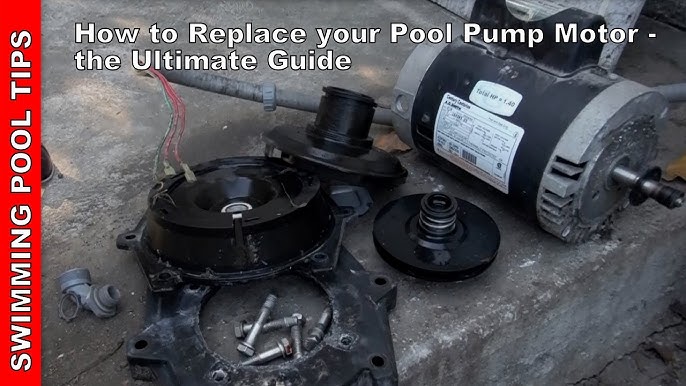
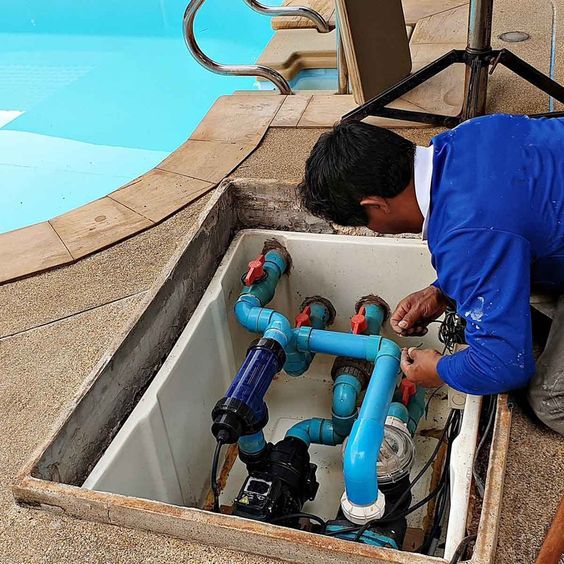
When a pool motor stops working, homeowners often face a clear decision. They must choose whether to install a single speed or variable speed replacement pool pump motor. Common symptoms include overheating, unusual humming, or complete failure to start after the unit has run for several seasons. The choice affects monthly electric bills and sound levels around the yard. It also determines how long the new unit will last before another inground pool motor replacement becomes necessary. Many systems in the United States still use single speed motors because they cost less upfront. Yet variable speed models have grown popular as utility rates rise. This article compares the two styles across energy use, price, installation, lifespan, and noise. Readers can match the right replacement pool pump motor to their pool and budget.
Variable speed motors typically cut energy consumption by 30 to 50 percent compared with single speed units running the same hours. This follows basic pump affinity laws explained on Wikipedia. Single speed motors run at one fixed rpm whenever they are on. Variable speed models adjust rpm to match flow needs. That difference drives most of the long-term savings homeowners calculate before buying. For instance, a family in Florida noticed their electric bill drop by nearly half after switching during an inground pool pump motor replacement project last summer.
Why Motor Choice Matters for Long-Term Pool Ownership
Choosing between motor types also influences water circulation quality and equipment longevity. A single speed unit might push water aggressively for short periods. But it can create unnecessary strain on filters and heaters. In contrast, variable speed options let you fine-tune flow rates for gentle overnight filtration. This often improves chemical distribution and reduces algae growth. Homeowners who maintain detailed logs of their pool’s performance after an inground pool motor replacement report fewer service calls when they opt for the programmable route.
Side-by-Side Comparison
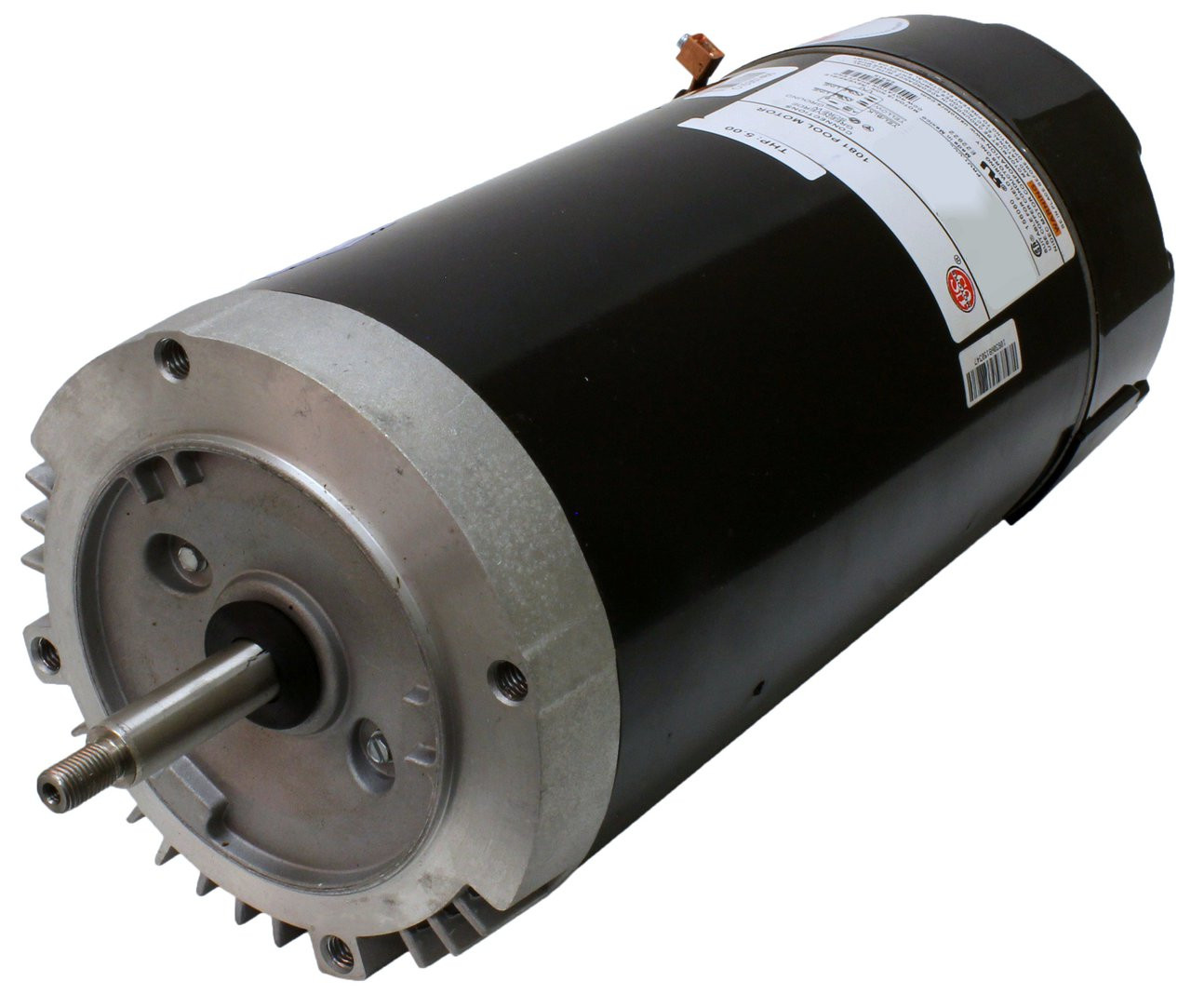
The table below lines up the main differences between the two motor types when a replacement pool pump motor is required. Numbers reflect typical inground pool sizes between 15,000 and 25,000 gallons in moderate climates. Keep in mind that actual figures vary with local electricity prices, pool usage patterns, and whether the system includes additional features like waterfalls or spa jets. This pairs well with Pool Pump Seal Replacement for Better Flow, which works through concrete examples.
| Feature | Single Speed Motor | Variable Speed Motor |
|---|---|---|
| Energy Consumption | Runs at full speed only, using 1.5 to 2.5 kWh per hour depending on horsepower. This leads to higher monthly costs when the pump operates six to eight hours daily. | Adjusts speed from 1,000 to 3,450 rpm, often cutting total energy use in half. A 1.5 horsepower model may average under 0.8 kWh per hour at low speed. |
| Purchase Price | Usually $250 to $450 for a new motor plus labor. Parts are widely stocked at local supply houses. | Ranges from $650 to $1,100 because of the electronic drive. Some utility rebates offset part of the higher cost. |
| Installation Complexity | Direct wiring to a simple timer or switch. Most technicians finish the job in under two hours. | Requires programming the drive, proper grounding of the VFD, and sometimes new conduit for control cables. Installation can take three to four hours. |
| Expected Lifespan | Five to eight years in normal service before bearings or windings fail. Overheating shortens life when the impeller is clogged. | Often reaches ten to twelve years because lower average speeds reduce heat and wear on bearings and seals. |
| Noise Output | Noticeable hum at full rpm, especially when the motor sits close to a bedroom window or patio. | Runs quietly at reduced speeds during filtration cycles. High-speed periods are shorter and usually scheduled for daytime. |
Reviewing these categories side by side helps clarify why many technicians now recommend running a cost-benefit analysis before any inground pool motor replacement. Factors such as regional climate and daily swim volume can shift the numbers noticeably from one household to the next. The follow-up piece Pool Pump Motor Repair Compared to Full Replacement covers this in more practical detail.
replacement pool pump motor Energy and Cost Tradeoffs
Energy savings become the biggest factor once a homeowner calculates annual operating hours. A single speed replacement pool pump motor may add $400 to $600 per year to the electric bill on a 20,000-gallon pool. Variable speed units often recover their extra purchase price inside three seasons in areas with high utility rates. At the same time, variable speed models need clean power and correct programming. A mis-set minimum speed can reduce turnover and affect water clarity. Practical tip: always verify the drive settings with a qualified technician after installation to avoid under-circulation during peak summer months.
Installation differences also matter during inground pool pump motor replacement. Single speed motors bolt onto the existing wet end with little or no reprogramming. Variable speed units sometimes require a new control panel or updated breaker if the original service is undersized. Homeowners who plan to keep the pool longer than five years usually lean toward the variable speed option for lower lifetime cost. One couple in Texas shared that their variable speed motor paid for itself through rebates and lower bills before their children left for college. A closely related walkthrough, Three Scenarios Where Variable Speed Motor Replacement Restores Pool…, picks up where this section ends.
Real-World Savings Example
Consider a 22,000-gallon pool in a moderate climate running eight hours daily. Switching from a single speed 2-horsepower motor to a variable speed model at 1,725 rpm for most of the day can trim roughly 1,800 kWh annually. At 14 cents per kilowatt-hour, that equals about $250 in yearly savings. Over a decade the difference compounds. This is especially true when you factor in reduced wear that delays the next inground pool motor replacement. The follow-up piece Hayward Vs Pentair Pool Heater: What Owners Need to Know covers this in more practical detail.
Strengths and Weaknesses
| Single Speed Motor | Variable Speed Motor | |
|---|---|---|
| Advantages | Lower initial cost, simple wiring, easy to find replacement parts, familiar to most service technicians. | Lower running cost, longer service life, quieter operation, often qualifies for utility rebates, programmable schedules. |
| Disadvantages | Higher energy use, louder at full speed, shorter average lifespan, no scheduling flexibility. | Higher purchase price, more complex installation, requires programming knowledge, sensitive to power quality issues. |
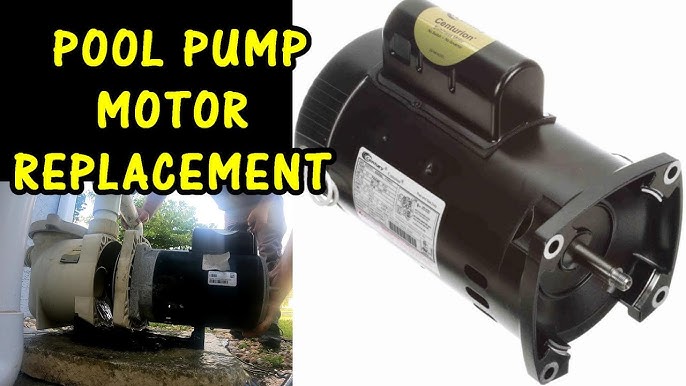
Many pool owners start with a single speed replacement pool pump motor when the budget is tight and later upgrade the motor only. Others choose variable speed right away because local rebates and rising rates make the math favorable. The decision often comes down to how many years the owner expects to keep the pool before selling the property. A quick conversation with neighbors who recently completed similar projects can reveal which route worked best for their specific setups and utility providers.
Wrapping Up
Single speed motors remain reliable and inexpensive for short-term fixes. Variable speed motors deliver clear savings on energy and noise over time. Review your current electric rate, expected pool hours, and local rebate programs before selecting the next replacement pool pump motor. Checking recent swimming pool pump repair guides and five signs you need swimming pool motor replacement this season can also help confirm whether a full inground pool motor replacement is the right step. Verify local pool motor replacement near me options and obtain two written quotes that list both motor types so the numbers reflect your exact equipment and utility costs. Finally, schedule an annual motor inspection to catch early bearing wear regardless of which style you ultimately install.
You May Also Like
- Pool Pump Components That Commonly Require Replacement
- Three Motor Styles That Fit Most Inground Pool Replacements
- Replacing the Mechanical Seal on a Swimming Pool Pump
- Inground Versus Above Ground Pool Pump Repair Differences
- Signs Your Swimming Pool Needs Immediate Pump Service