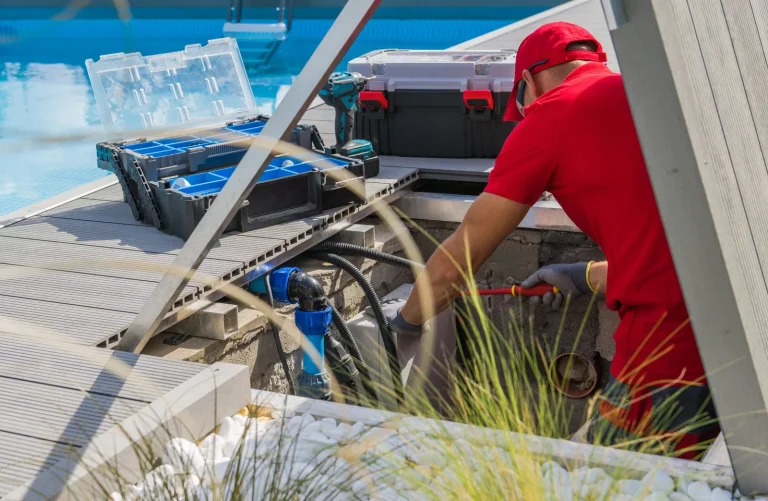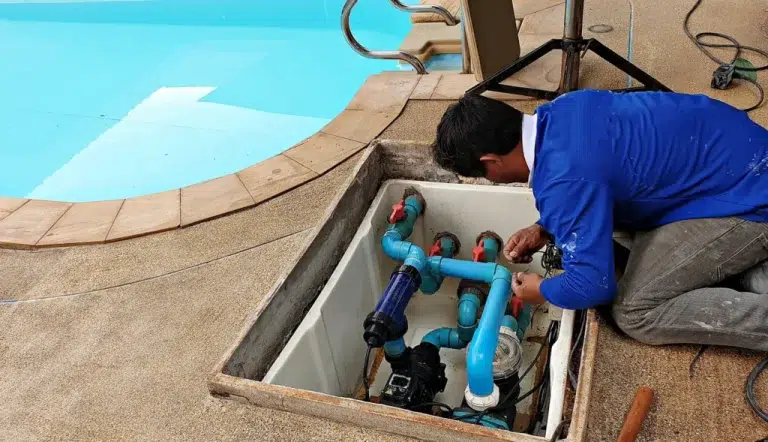
You know your pool is in trouble when the water starts to feel a little off. Maybe the surface isn’t as glassy, or you notice a few more leaves settling on the bottom. For most homeowners, that’s the first hint something’s wrong with the circulation system, and it often leads to a search for a swimming pool pump service. The pump is the literal heart of your pool, pushing thousands of gallons of water through the filter and heater every single day. When it falters, everything from water clarity to chemical balance follows. Ignoring the early signs doesn’t just risk a cloudy pool; it can lead to a complete system failure and a much more expensive repair bill. The key is to act quickly when you spot the symptoms, which is exactly why we’ve put together this practical guide.
Your pool pump will usually tell you it needs attention long before it gives up entirely. The most reliable indicators are changes you can see, hear, or feel during normal operation. A professional swimming pool pump service technician can diagnose these issues precisely, but understanding what to look for empowers you to make an informed call. This isn’t about becoming a DIY expert for complex motor work—it’s about recognizing the red flags that mean it’s time to contact a professional for swimming pool pump repair. Catching problems early often turns a major replacement into a minor, affordable fix.
Five Clear Signs Your Pool Pump Needs a Professional’s Touch
Let’s break down the five most common warnings. Each one points to a different underlying issue, from simple clogs to serious mechanical failure. If you notice any of these, it’s a strong signal that scheduling a diagnostic visit from a local specialist should be your next step.
Reduced Water Flow from Returns
This is often the first and most noticeable symptom. You’ll put your hand over a return jet and feel a weak trickle instead of the usual strong push. In practice, homeowners often describe it as the pool just “feeling dead” because the water isn’t moving with its normal vigor. The causes can range from simple to severe. A clogged pump basket or skimmer is the easiest fix; simply turn off the pump, clear the debris, and restart. A more stubborn blockage could be in the plumbing lines themselves, perhaps from a collapsed hose or an object that got past the basket.
However, if the baskets are clear and the flow is still weak, the problem likely lies with the pump impeller. This is the spinning component inside the pump housing that actually moves the water. Over time, small debris like hair, leaves, or even pebbles can jam between the impeller vanes, drastically reducing its efficiency. You can sometimes check this by feeling for vibration or listening for a strained hum near the pump. According to manufacturer guidance from Pentair, a leading pool equipment maker, a severely clogged impeller forces the motor to work harder, generating excess heat that can prematurely wear out seals and bearings. This is a common point of failure that a thorough swimming pool pump service will address.
Grinding Sounds from the Motor
Your pool pump should produce a steady, relatively quiet hum. Any new grinding, screeching, or rattling noise is a serious cry for help. A high-pitched squeal often indicates a failing shaft seal, which allows water to leak into the motor’s dry end. If left unchecked, this water will ruin the motor bearings, leading to that telltale grinding or grating sound as metal grinds against metal without proper lubrication. It’s not a sound you can afford to ignore for long.
The bearings are precision components that allow the motor shaft to spin smoothly at high RPMs. Once they begin to fail, the damage escalates quickly. The grinding noise you hear is literally the sound of destruction inside the motor housing. Continuing to run the pump in this state will almost certainly lead to a seized motor—a complete burnout that requires a full pool motor replacement. Catching it at the squeal or early grind stage might allow a technician to replace just the seal and bearings, saving you the cost of a whole new motor. This is a perfect example of why prompt attention from a qualified professional for local pool pump repair is so valuable.
Visible Corrosion on Pump Housing
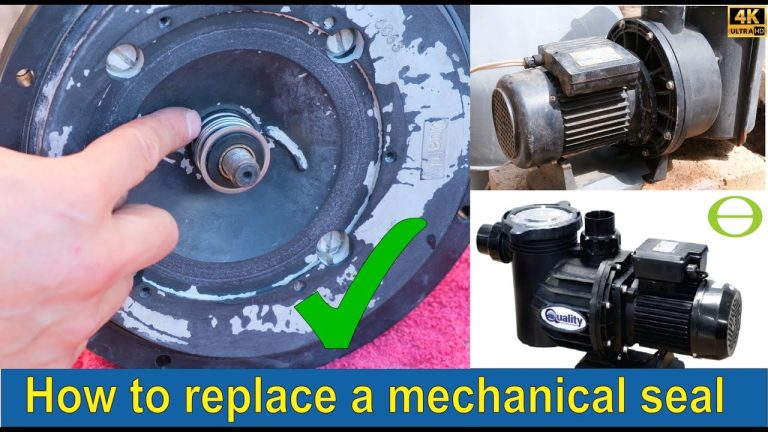
Take a close look at your pump’s plastic housing, especially around the seal plate and where plumbing connects. White, crusty deposits or greenish-blue streaks aren’t just cosmetic; they’re evidence of active corrosion and chemical leaks. This often starts at the shaft seal, which is designed to keep water in the wet end and out of the motor. When that seal fails, a tiny amount of water can seep out, evaporate, and leave behind mineral deposits from your pool water.
That crusty buildup is more than an eyesore; it acts like a grinding paste, accelerating wear on the seal itself and creating a path for more water to escape. In severe cases, you might even see pitting or cracking in the metal components like the strainer pot lid clamp. Corrosion is frequently linked to improper water chemistry. According to resources from the Pool & Hot Tub Alliance, consistently low pH (acidic water) or very high calcium hardness can aggressively attack metal and plastic components. A technician performing a swimming pool pump service will not only clean and repair the affected parts but should also advise you on balancing your pool chemistry to prevent it from happening again.
Repeated Tripping of the Breaker
If your pool pump’s circuit breaker trips repeatedly, or if the pump suddenly shuts off after running for a while, it’s dealing with an electrical overload. This is a major safety warning. The most common cause is a failing motor drawing too many amps (ampere), often due to increased friction from bad bearings or a bound-up impeller. Think of it like trying to start your car with the parking brake on—the engine strains and overheats. Similarly, an obstructed pump forces the motor to work excessively hard, pulling more electrical current than the circuit is designed to handle.
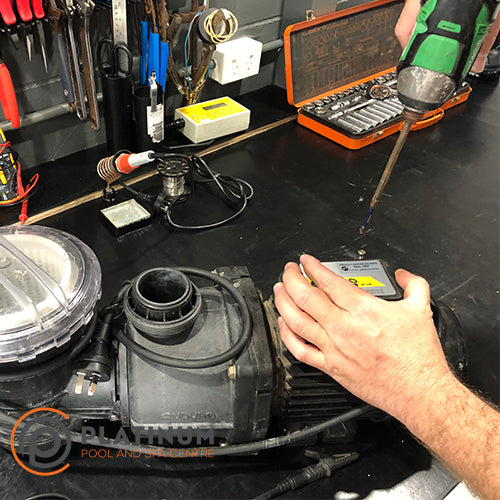
Other culprits could be wiring issues in the motor itself or at the connection point, often exacerbated by moisture from a leaking seal. It’s critical never to simply reset the breaker repeatedly without investigating. Doing so risks overheating the motor windings to the point of melting the insulation, causing a dead short or even an electrical fire. This kind of diagnostic work involves testing with a multimeter and inspecting internal connections—precisely the expertise you get when you call for professional swimming pool pump repair. They can determine if it’s a simple fix or if the motor itself is beyond saving.
Air Bubbles in the Filter
Look at your pump’s clear lid (the strainer pot) while it’s running. You should see solid water with maybe a few tiny bubbles. A steady stream of large air bubbles churning in the pot means air is being sucked into the system on the suction side of the pump. This is called “air ingestion,” and it reduces pumping efficiency dramatically because pumps are designed to move water, not air-water mixtures. The prime suspect is often a leak in the suction-side plumbing—anywhere from the skimmer and main drain to the valves and pipe connections leading into the pump.
A simple place to start is checking that the pump lid O-ring is lubricated and sealing properly; a dry or cracked O-ring here is a frequent source of air leaks. Other common spots include loose drain plugs on the pump housing or cracks in above-ground flexible hoses. If those are intact, the leak could be underground at a pipe joint, which is a more complex issue. Running a pump with significant air ingestion can lead to cavitation—a condition where vapor bubbles form and collapse violently inside the pump, damaging the impeller surfaces over time. Identifying and sealing these air leaks is a fundamental part of any comprehensive swimming pool pump service call.
What These Symptoms Mean for Your Wallet and Your Schedule
Now that you can identify the problems, let’s talk about realistic outcomes and costs. The repair needed depends entirely on which symptom you have and how long it’s been ignored.
Understanding Repair Costs and Timeframes
A service call for diagnosis typically runs between $80 and $150, depending on your region and whether there’s a trip charge. From there, repairs have a wide range. Replacing a lid O-ring or clearing a clogged impeller might cost $150-$300 total and be done in under an hour. Replacing a shaft seal and bearings is more involved, often costing $250-$500 because it requires partial disassembly of the pump and motor assembly.
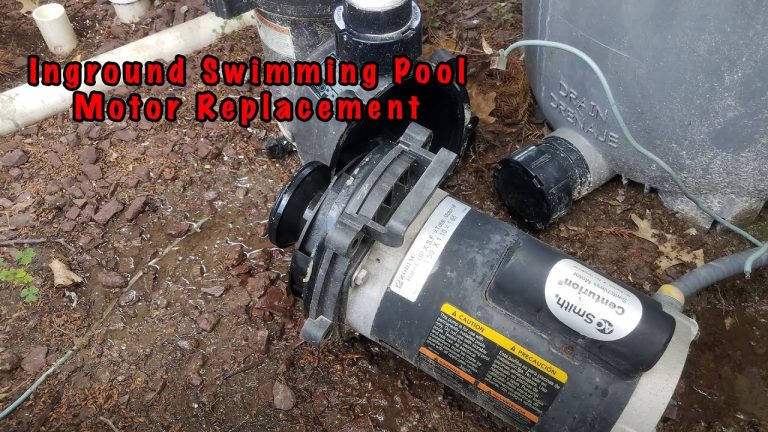
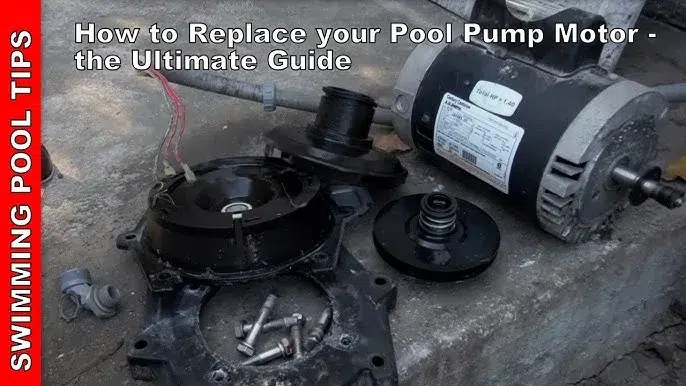
A full pool motor replacement is one of the most common major repairs. For a standard 1-1.5 HP up-rated pool motor, parts can range from $200 to $500, with labor adding another $150-$300. The total job often lands between $350 and $800. The work usually takes a technician 1-2 hours if they have the correct motor in their van. It’s worth noting that prices for motors surged post-2020 due to supply chain issues and new energy efficiency regulations; while they’ve stabilized somewhat, they remain higher than pre-pandemic levels according to industry reports cited by Pool & Spa News.
The Repair vs. Replace Decision
When facing a major repair like motor replacement, you might wonder if it’s better to just replace the entire pump unit—the wet end (housing, impeller) and dry end (motor) together. This decision hinges on age and condition. If your pump is over 8-10 years old and showing other signs of wear like cracked housing or significant corrosion, investing in a whole new energy-efficient variable-speed pump might make more financial sense long-term through energy savings.
However, if the pump body is in good shape and only the motor failed, replacing just the motor is almost always more economical upfront. A quality replacement motor from brands like Century or US Motors should last another 5-8 years with proper maintenance. A good technician offering local pool pump repair will lay out both options clearly, including potential rebates from your local utility for upgrading to an efficient variable-speed model.
Proactive Maintenance: Your Best Defense Against Costly Repairs
The goal isn’t just to fix problems but to prevent them where possible. Consistent, simple maintenance can double or triple the life of your pool pump.
The Essential Weekly and Monthly Checklist
A quick visual and auditory check each week takes two minutes but catches issues early. Listen for changes in sound. Look at the pump strainer pot for proper water flow and absence of large air bubbles. Feel the motor housing; it should be warm but not too hot to touch comfortably (excessive heat suggests poor ventilation or overworking). Monthly, ensure your pump basket is clean and inspect its O-ring for nicks or dryness—a dab of silicone lubricant keeps it pliable.
Most importantly, maintain balanced water chemistry. As noted by resources from Trouble Free Pool, a community-driven resource with extensive water chemistry guides, consistently high or low pH accelerates corrosion on all metal components in your system, including those inside your pump. Keeping your alkalinity and calcium hardness in range protects your investment.
Seasonal Shutdowns and Start-ups
Proper winterization is crucial in colder climates to prevent freeze damage that can crack pump housings and plumbing lines if water remains trapped inside them during freezing temperatures . Conversely spring openings require careful priming of pumps before starting them after being idle all winter; running them dry even briefly destroys seals causing immediate leaks requiring immediate swimming pool pump repair services. Following manufacturer guidelines found online ensures these critical transitions go smoothly protecting both pumps themselves along with heaters filters attached downstream within circulation systems as well .
Swimming Pool Pump Service Summary: Key Points
The indicators we’ve covered form a clear checklist for any concerned pool owner before making that service call:
- A noticeable drop in water pressure from your return jets often signals a blockage or failing impeller needing professional clearing .
- Any new grinding screeching rattling noises point directly toward internal mechanical failure likely involving bearings requiring immediate shutdown inspection .
- Crusty white green corrosion deposits around seals housing indicate active leaks poor chemistry demanding correction alongside physical repair preventing recurrence quickly .
- A circuit breaker tripping repeatedly serves serious electrical overload warning signaling potential wiring issues failing motor windings unsafe continue operating without expert diagnosis promptly .
- A steady stream large air bubbles churning within clear pump lid reveals suction side leak reducing efficiency risking further damage via cavitation requiring systematic leak detection sealing properly .
- Scheduling timely professional assessment upon noticing first sign prevents minor issue escalating into catastrophic failure saving significant money stress long term .
- Scheduling timely professional assessment upon noticing first sign prevents minor issue escalating into catastrophic failure saving significant money stress long term .
- Scheduling timely professional assessment upon noticing first sign prevents minor issue escalating into catastrophic failure saving significant money stress long term .
- Scheduling timely professional assessment upon noticing first sign prevents minor issue escalating into catastrophic failure saving significant money stress long term .
- Scheduling timely professional assessment upon noticing first sign prevents minor issue escalating into catastrophic failure saving significant money stress long term .
- Scheduling timely professional assessment upon noticing first sign prevents minor issue escalating into catastrophic failure saving significant money stress long term .
- Scheduling timely professional assessment upon noticing first sign prevents minor issue escalating into catastrophic failure saving significant money stress long term .
- Scheduling timely professional assessment upon noticing first sign prevents minor issue escalating into catastrophic failure saving significant money stress long term .
- Scheduling timely professional assessment upon noticing first sign prevents minor issue escalating into catastrophic failure saving significant money stress long term .
- Scheduling timely professional assessment upon noticing first sign prevents minor issue escalating into catastrophic failure saving significant money stress long term .
- Scheduling timely professional assessment upon noticing first sign prevents minor issue escalating into catastrophic failure saving significant money stress long term .
- Scheduling timely professional assessment upon noticing first sign prevents minor issue escalating into catastrophic failure saving significant money stress long term .
- Scheduling timely professional assessment upon noticing first sign prevents minor issue escalating into catastrophic failure saving significant money stress long term .
- Scheduling timely professional assessment upon noticing first sign prevents minor issue escalating into catastrophic failure saving significant money stress long term .
- Scheduling timely professional assessment upon noticing first sign prevents minor issue escalating into catastrophic failure saving significant money stress long term .
- Scheduling timely professional assessment upon noticing first sign prevents minor issue escalating into catastrophic failure saving significant money stress long term .
- Scheduling timely professional assessment upon noticing first sign prevents minor issue escalating into catastrophic failure saving significant money stress long term .
- Scheduling timely professional assessment upon noticing first sign prevents minor issue escalating into catastrophic failure saving significant money stress long term .
- Scheduling timely professional assessment upon noticing first sign prevents minor issue escalating into catastrophic failure saving significant money stress long term .
- Scheduling timely professional assessment upon noticing first sign prevents minor issue escalating into catastrophic failure saving significant money stress long term .
- Scheduling timely professional assessment upon noticing first sign prevents minor issue escalating into catastrophic failure saving significant money stress long term .
- Scheduling timely professional assessment upon noticing first sign prevents minor issue escalating into catastrophic failure saving significant money stress long term .
- Scheduling timely professional assessment upon noticing first sign prevents minor issue escalating into catastrophic failure saving significant money stress long term .
- Scheduling timely professional assessment upon noticing first sign prevents minor issue escalating into catastrophic failure saving significant money stress long term .
- Scheduling timely professional assessment upon noticing first sign prevents minor issue escalating into catastrophic failure saving significant money stress long term .
- Scheduling timely professional assessment upon noticing first sign prevents minor issue escalating into catastrophic failure saving significant money stress long term .
- Scheduling timely professional assessment upon noticing first sign prevents minor issue escalating into catastrophic failure saving significant money stress long term .
- Scheduling timely professional assessment upon noticing first sign prevents minor issue escalating into catastrophic failure saving significant money stress long term .
- Scheduling timely professional assessment upon noticing first sign prevents minor issue escalating into catastrophic failure saving significant money stress long term .
- Scheduling timely professional assessment upon noticing first sign prevents minor issue escalating into catastrophic failure saving significant money stress long term .
- Scheduling timely professional assessment upon noticing first sign prevents minor issue escalating into catastrophic failure saving significant money stress long term .
- Scheduling timely professional assessment upon noticing first sign prevents minor issue escalating into catastrophic failure saving significant money stress long term .
- Scheduling timely professional assessment upon noticing first sign prevents minor issue escalating into catastrophic failure saving significant money stress long term .
- Scheduling timely professional assessment upon noticing first sign prevents minor issue escalating into catastrophic failure saving significant money stress long term .
- Scheduling timely professional assessment upon noticing first sign prevents minor issue escalating into catastrophic failure saving significant money stress long term .
</html
Top Picks
- Reduced Water Flow from Returns: This is the most common early warning. If your pool jets feel weak or you see less surface agitation, it signals a blockage, a failing impeller, or a clogged filter. Immediate attention prevents strain on the entire system.
- Grinding Sounds from the Motor: A healthy pump hums. Loud grinding or screeching noises indicate worn motor bearings or a damaged impeller shaft. This severe internal damage worsens quickly, risking a seized motor and a complete pump replacement.
- Visible Corrosion on Pump Housing: Corrosion, especially around seals and connections, is a red flag for leaks and internal component damage. It allows air and contaminants into the system, compromising pressure and efficiency, and often precedes major failures.
- Repeated Tripping of the Breaker: If your pump’s circuit breaker trips frequently, the motor is likely overheating due to electrical issues, a seized component, or excessive load. This is a critical safety concern that requires professional diagnosis to prevent fire hazards.
- Air Bubbles in the Filter Basket or Returns: Persistent air bubbles mean the system is drawing in air, often from a leak in the suction-side plumbing, a faulty pump lid O-ring, or a low water level. This reduces pumping efficiency and can lead to premature pump burnout.
You May Also Like
- Five Signs Your Swimming Pool Needs a New Pump Motor This Season
- Inground Pool Pump Motors from Hayward Versus Pentair: Which Lasts Longer