How Algae Clogs a Pool Filter and Mimics Pump Failure
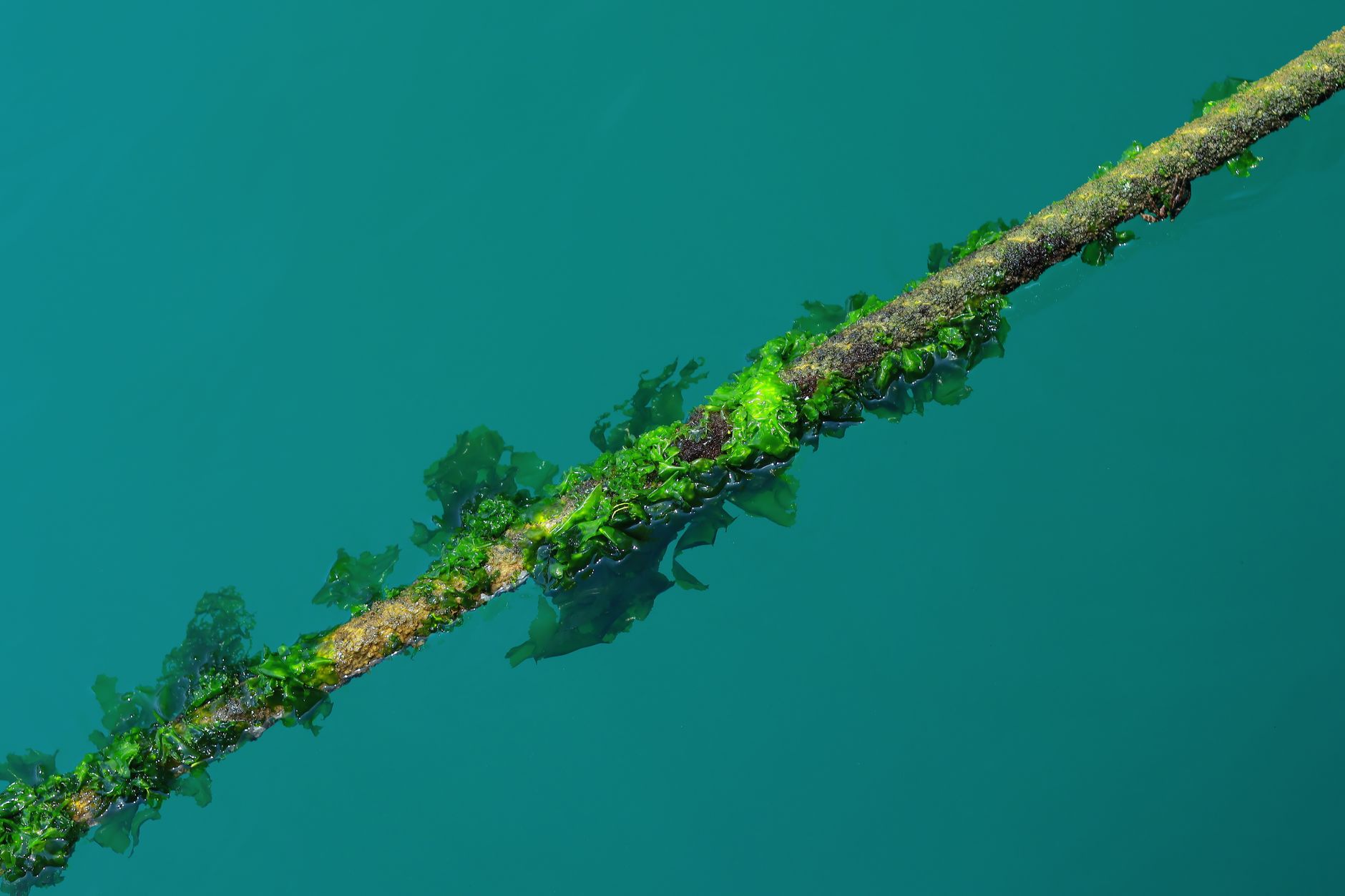
An algae filter fix usually starts with one uncomfortable realization: the pump is probably fine. When a pool filter gets fouled with algae, the media stops letting water through, the pressure gauge climbs, and the flow coming back to the pool drops. From the poolside, that looks exactly like a dying motor. You hear the pump running, but the water looks tired and the return jets barely push.
Algae is tiny, sticky, and very good at hiding in filter media. Green and yellow algae cells can slip past a clean sand bed or pile onto the pleats of a cartridge, forming a slimy layer that restricts flow. Once that happens, the pump works harder against more resistance and the water stops circulating properly. Cloudy water is often the first clue, followed by a filter that feels like it’s fighting you.
This guide walks through a practical cleaning routine for sand, cartridge, and DE filters. It covers the six steps most owners need, plus the maintenance habits that keep the problem from coming back. Along the way, you’ll see how to tell a clogged filter from a real pump fault. For background on how filtration removes particles, the Wikipedia overview of water filters is a useful starting point.
Step-by-Step Guide to Cleaning an Algae-Clogged Pool Filter
Work through these steps in order. Rushing the first two is the most common mistake, and it can turn a simple cleaning into a repair job. Plan on roughly an hour for a standard residential system, though larger sand filters and heavy algae blooms can take longer. Keep your owner’s manual nearby, because valve positions and tank procedures differ between manufacturers.
-
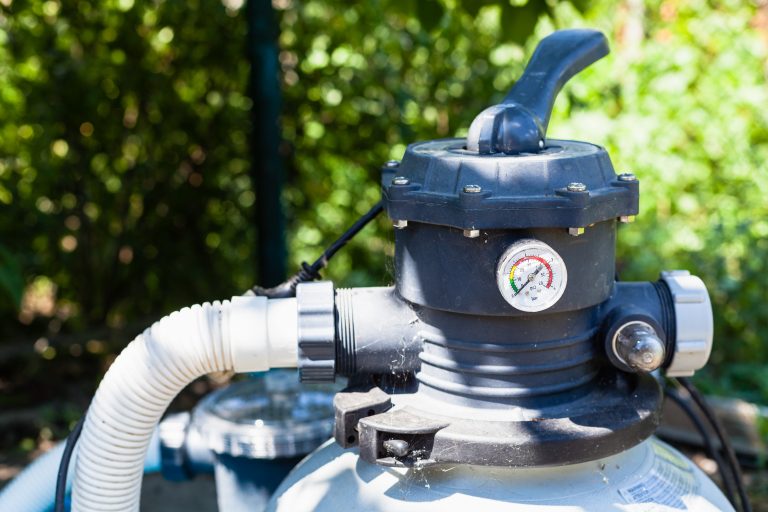
Shut off power and relieve pressure. Turn the pump off at the breaker or the timer, not just at the switch, so nobody restarts it mid-job. Then open the air relief valve on top of the filter tank and let the pressure drop to zero. Opening the lid or a union with the system still pressurized can throw water and debris, and a cracked clamp ring can fail under load. Wait until the gauge reads zero before you touch anything. A closely related walkthrough, Filter Housing Crack or Clogged Algae Filter: What Is Wrong?, picks up where this section ends.
-
Backwash or remove media. For a sand or DE filter, turn the multiport valve to backwash and run the pump briefly until the sight glass runs clear. This reverses flow through the media and flushes out trapped algae and debris. Cartridge filters skip this step, since you remove the cartridge instead. Remember that backwashing a DE filter removes diatomaceous earth, so you’ll need to recharge it afterward.
-
Clean or rinse the media. Hose cartridge pleats from the inside out, pushing debris away from the pleats rather than deeper into them. For badly slimed cartridges, soak them in a pool-filter cleaner for several hours, then rinse thoroughly. Sand usually cannot be cleaned by rinsing alone, so an algae-heavy bed may need a deep clean or replacement. Check the sand for clumps or a crusty surface, which signals that the bed is past saving.
-
Inspect the tank for residue. Open the drain plug or lid and look for green slime, scale, or sediment on the inside walls, the laterals, and the standpipe. Residue left behind will seed the next bloom, so scrub it off with a soft brush. Also check O-rings and gaskets for cracks or flattening, since a worn seal can let air into the system and mimic low flow.
-
Shock and balance the water. Algae that made it through the filter is still living in the pool, so shock the water to kill it. Test free chlorine and bring it up to the shock level your product label recommends. Then test pH and total alkalinity and adjust them into the normal ranges. The Centers for Disease Control and Prevention publishes general guidance on pool water chemistry that you can check against your test results. Retest after the water circulates for several hours.
-
Restart and check pressure. Close the drain or lid, make sure the O-rings are seated, and set the valve to filter or the normal position. Turn the pump on and let the system run, then watch the pressure gauge. A clean filter typically settles in a predictable range, and your manual lists the target pressure for your model. If pressure climbs quickly again or flow stays weak, the filter may be damaged or the problem sits elsewhere in the system.
Keeping Algae Out of the Filter Between Cleanings
Most algae problems come back because the water chemistry drifted, not because the filter was dirty. Keep free chlorine in the range your test kit or local guidance recommends, and brush the walls weekly. Run the pump long enough each day to turn over the full pool volume. Many owners run filtration for eight hours or more during warm weather, which gives the chemicals time to work.
Track the pressure gauge too. A reading that climbs steadily between cleanings tells you the media is loading up faster than it should. That’s your cue to apply an algae filter fix sooner rather than later. Sand beds usually need backwashing when pressure rises about 8 to 10 psi above the clean-filter reading, a rule of thumb many manufacturers use.
When Cleaning Won’t Fix It and Replacement Makes Sense
An algae filter fix resolves most algae clogs, but not all of them. Cartridges with torn pleats, sand that has clumped into a hard crust, or DE grids that won’t hold powder should be replaced rather than nursed along. Replacement cartridges for common residential models often cost tens of dollars, while a new sand filter tank can run several hundred. Compare those costs against how often the filter keeps clogging before you decide.
Keep the Filter Clear With a Simple Monthly Check
A quick monthly routine, combined with the cleaning steps above, is the most reliable algae filter fix you can build into your schedule. Check the pressure gauge, rinse or backwash on time, and keep the chemistry steady. When flow stays weak after a full cleaning, or cracks and leaks show up, call a licensed pool technician before the problem spreads. Booking a filter check at the start of the season can catch small issues before they become expensive repairs.
Further Reading
- Hayward Pool Heater Leaking Water: Where It Comes From
- Troubleshooting Your Pentair Quad DE Filter
- Why Is My Pool Pump Leaking From the Top? Causes and Fixes
- Intex Sand Filter Leaking From the Top: What Actually Causes It
- Hayward Filter Versus Other Pool Filter Systems: Which Suits Your Pool?