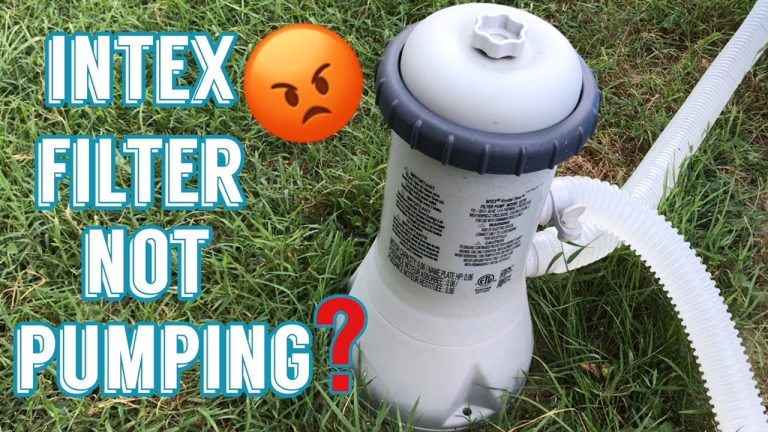
Why an Intex Pool Filter Pump Stopped Working Is Rarely Random
When an Intex pool filter pump stopped working in the middle of a hot week, most owners assume the motor has died. Usually it hasn’t. In most cases the fault traces back to a short list of recurring problems, and you can check nearly all of them without special tools.
Pool equipment tends to fail in predictable ways. Electrical protection trips, a capacitor wears out, debris jams the impeller, or water finds its way past a seal. Knowing which symptom points where saves time and keeps you from buying parts you don’t need. The same logic applies across pool filtration generally, from sand filters to cartridge systems.
Most Intex pump stoppages trace to one of seven recurring issues: a faulty GFCI plug, a failed start capacitor, a jammed impeller, an overheated motor, a timer or control board fault, an air lock after refilling, or worn seals letting water in. Check the plug and capacitor first, since they’re the quickest to test.
Seven Failures That Leave an Intex Pool Pump Silent
Work through these roughly in order of how easy they are to check. The first two take minutes, while the rest may require opening the housing or draining water.
Faulty GFCI Plug
Many Intex filter pumps plug into a ground fault circuit interrupter, either built into the cord or located in the outlet. A GFCI cuts power when it detects a small current leaking to ground. Standard residential units trip at about 5 milliamps, which is why a damp cord or a minor leak can shut the pump off even though the motor is fine. Press the reset button, and if it won’t hold, test the outlet with a known-good device before blaming the pump. A cracked or wet cord is a common trigger, so inspect it first.
Failed Start Capacitor
The start capacitor gives the motor the electrical push it needs to begin spinning. When it weakens, the motor may hum, click, or try to start and then quit. Some owners see the pump run for a second and stop. A bulged top or oily residue on the capacitor points to failure. Capacitors cost far less than motors, so replacing one is usually the sensible first repair. Unplug the pump and discharge the capacitor before touching it, because it can hold a charge even with power off.
Jammed Impeller
The impeller is the rotating vane inside the pump housing that moves water. Leaves, hair, small stones, or a stray toy can wedge against it. The motor may hum loudly or stop under load while the cord and outlet test fine. Turn off power, open the strainer housing, and rotate the impeller by hand. Clear any debris, then restart. Keeping the basket clean prevents most jams, since a jammed impeller often begins as a clogged strainer nobody emptied.
Overheated Motor
Motors overheat when they run without enough water flow or when airflow around them is blocked. A clogged filter, a partly closed valve, or a low water level can all cause this. Many pumps include thermal protection that shuts the motor off until it cools. If the pump restarts and then cuts out again within minutes, the motor may be running hot. Let it cool, clear the strainer, and check the valve positions. An overheated pump is often the first sign that an Intex pool filter pump stopped working for a fixable reason. For a longer look at what heat and age do to motors, see how long does a pool pump motor last.
Timer or Control Board Fault
If the pump runs on a timer or control panel, the fault may sit in the controls rather than the pump. A timer set to off, a worn timer mechanism, or a failed control board can keep power from reaching the motor. Check the timer settings first, then listen for the click that should occur when the timer engages. Control boards are usually the most expensive part in this group, so confirm the diagnosis before buying one. Control circuits still carry mains voltage, so keep your hands dry and the power off during inspection.
Air Lock After Refill
After you drain the pump for cleaning, or after the pool level drops, air can get trapped in the housing. The pump then spins without moving water, and you may hear gurgling or see no flow at the return. Close the valves, open the lid, and fill the basket with water. Run the pump briefly with the lid off until bubbles stop. An air leak in pool filter plumbing can cause the same symptom, so check the lid O-ring and fittings too.
Worn Seals Allowing Water Intrusion
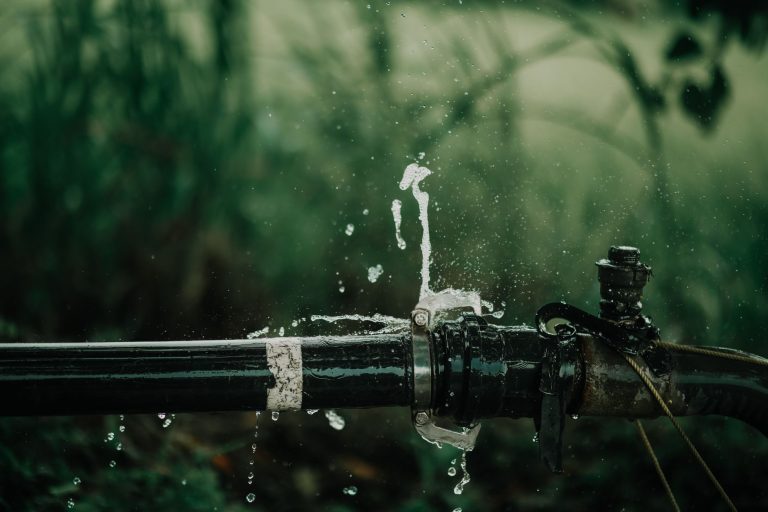
Shaft seals and gaskets wear down over time. Once water reaches the motor, it can short the windings and trip the GFCI. A failing seal often shows up as drips under the pump, a damp motor housing, or repeated nuisance shutdowns. Water near a motor is a real electrical hazard, so unplug the pump before inspecting it. A worn seal usually means professional repair or replacement. If the drip comes from the filter body instead, the problem may be a gasket rather than the pump, and it’s worth checking for a leak in pool filter components before assuming the worst.
Key Points
When an Intex pool filter pump stopped working, the cause is almost always on this list. In most cases the plug, the capacitor, and a jammed impeller account for the stoppages owners see most often.
- Faulty GFCI plug
- Failed start capacitor
- Jammed impeller
- Overheated motor
- Timer or control board fault
- Air lock after refill
- Worn seals allowing water intrusion
Start With the Plug and Capacitor Before Replacing the Motor
Most stoppages come down to a plug, a capacitor, a clogged strainer, or an air lock, and each one takes only a few minutes to check. Work through those before you order a new motor. If an intex pool filter pump stopped working and the checks don’t help, the motor or control board may need a professional diagnosis.
Repairing pool pumps is usually cheaper than replacing them, but only if you find the real fault. A pump that hums, trips the GFCI, or leaks repeatedly deserves a call to a qualified pool technician. Keep the strainer clean and inspect the seals each season, and most problems stay small.
About this guide: this page covers common Intex pump stoppages from general pool equipment practice, aimed at U.S. homeowners. For model-specific specifications, consult the manual or the manufacturer’s site at intexcorp.com.
- Intex Sand Filter Pump Problems Compared to Other Common Failures
- Understanding Failures in Intex Above Ground Pool Filter Systems
- Persistent Issues Across DE, Sand, and Cartridge Pool Filters
- Sand Filters Compared with DE Filters on Leak and Flow Problems
- Why Diatomaceous Earth Filters Develop Cracks in the Manifold