Motor Type Differences Owners Weigh During Pool Pump Repairs
When a pool pump motor fails, owners must decide between single speed and variable speed replacements. This decision happens during pool pump motor repair. The choice affects energy bills, how often service calls occur, and how long the new motor lasts. Single vs variable speed pool pump options present clear tradeoffs in cost, performance, and maintenance needs. Most residential systems run on 220V circuits. They use 1 to 2 horsepower motors. Compatibility with existing plumbing and electrical service matters right away. Homeowners facing repeated failures often look at these two motor styles before committing to another repair or full replacement. For instance, a family with a 20,000-gallon pool lives in a hot climate. They might notice their single speed unit failing every four years. Constant high-speed strain causes this. The situation prompts them to explore variable speed motor replacement as a longer-term solution.
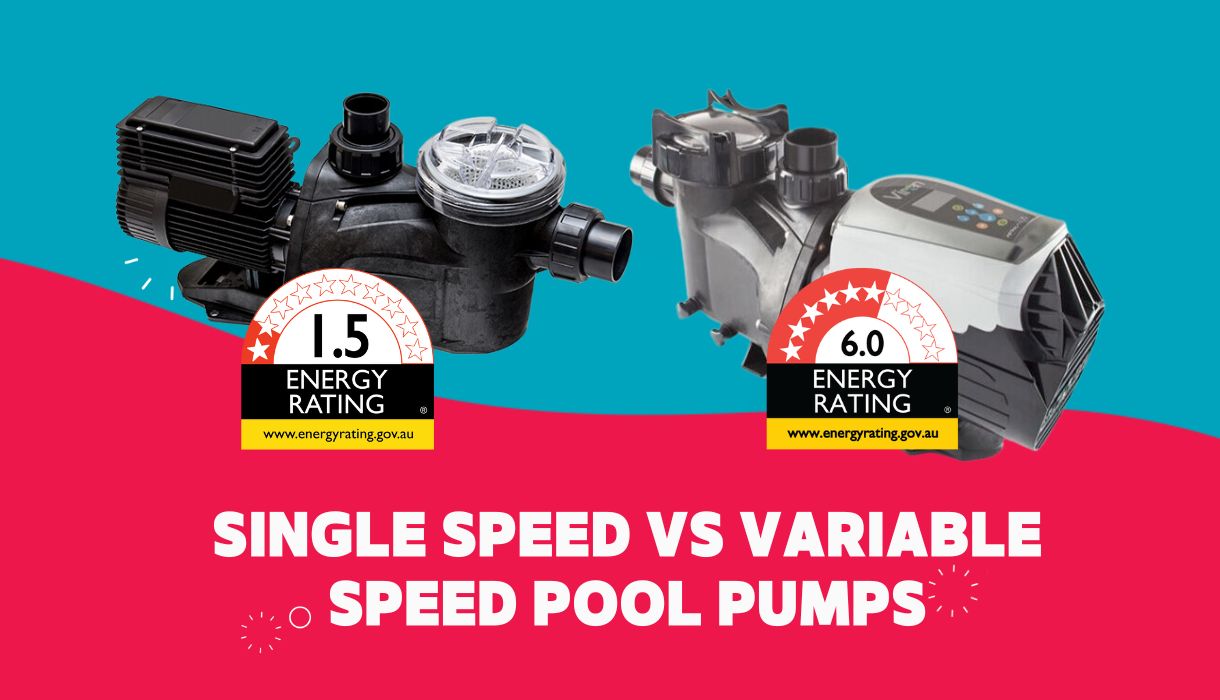
Variable speed motors adjust flow rates to match actual demand. Single speed motors run at one fixed rate whenever they operate. This basic difference in single vs variable speed pool pump drives every other comparison that follows. In practice, variable speed models use advanced electronics to ramp up or down smoothly. This can prevent the sudden surges that often crack components in single speed designs. Homeowners who have dealt with frequent pool pump motor repair visits appreciate how this flexibility reduces overall wear on the system.
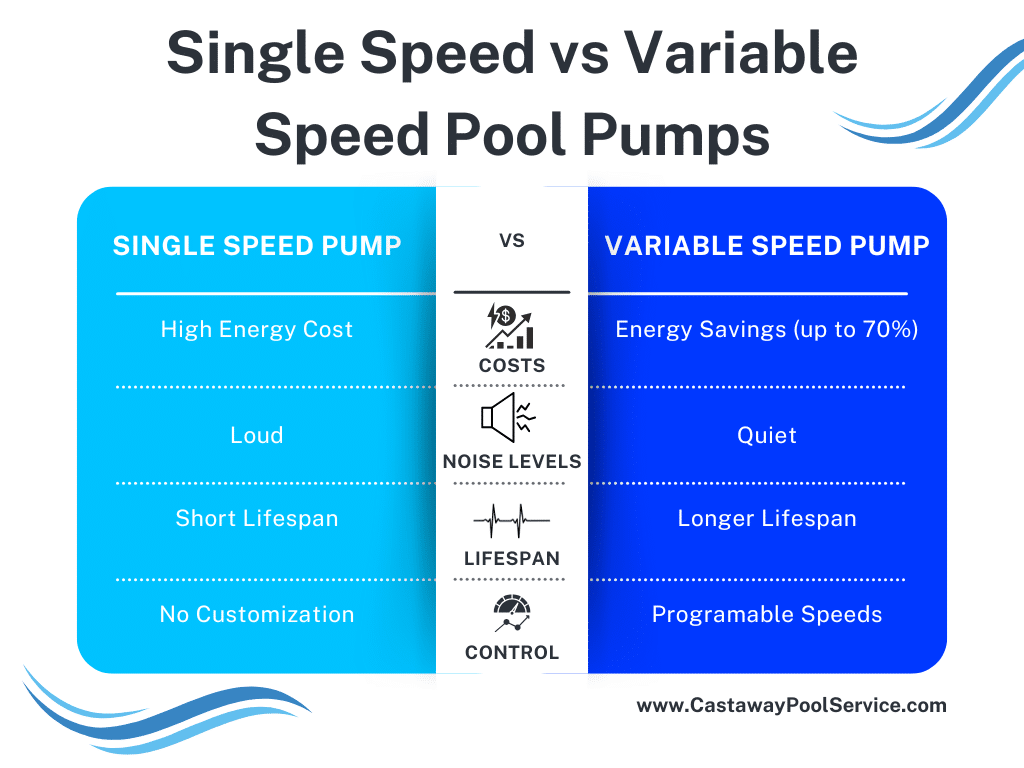
Variable speed motors generally cost more upfront. They reduce energy bills and repair frequency compared to single speed options in most residential setups. Consider a scenario where a homeowner switches during a routine pool pump motor repair. The initial investment pays for itself faster when utility rates climb during peak summer months. The quieter operation makes evening swims more enjoyable without the constant drone.
Single vs Variable Speed Pool Pump Motor Specifications
Key Factors in Motor Compatibility and Installation
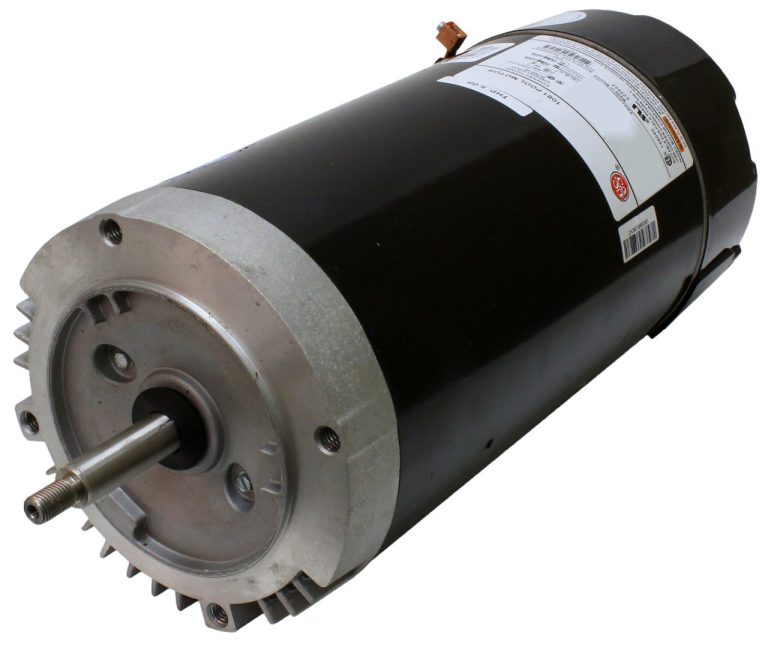
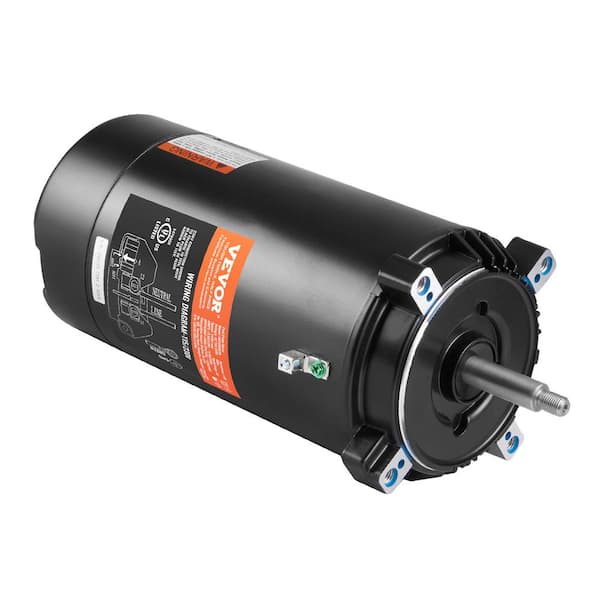
Initial purchase price differs sharply between the two motor types. A single speed motor for a common 1.5 horsepower unit typically ranges from $150 to $300 depending on brand and retailer. Variable speed motors for the same horsepower start around $450. They often exceed $700 once installation hardware is added. These figures come from current manufacturer listings. They do not include labor. Practical tip: always verify your pump’s frame size and shaft dimensions before ordering. Mismatches during variable speed motor replacement can lead to extra trips to the supply house.
Repair frequency also separates the two designs. Single speed motors contain fewer electronic components. Yet they experience more mechanical stress because they always run at full speed. Bearings and seals wear faster under constant load. Variable speed motors include drive circuitry that can fail. But the circuitry allows gentler starts and stops that reduce stress on the impeller and shaft seals. In most systems, variable speed units require fewer service visits over a five-year period. One pool owner reported cutting service calls from three per year to just one after upgrading. The soft-start feature protected the seals from the rapid pressure changes common with single speed operation.
| Motor Type | Initial Cost | Repair Frequency | Energy Consumption | Noise Levels | Typical Lifespan |
|---|---|---|---|---|---|
| Single Speed | $150–300 | Higher due to constant full-speed operation | Higher; runs at 100% whenever on | Louder at full speed | 5–8 years with routine pool pump maintenance |
| Variable Speed | $450–700+ | Lower because of soft starts and adjustable flow | Lower; can run at 30–50% speed for most of the day | Quieter at reduced speeds | 8–12 years when filters stay clean |
Energy consumption creates the largest long-term difference. Single speed motors draw full power for the entire run cycle. They often run six to eight hours daily in summer. Variable speed motors can drop to 30 or 40 percent speed while still turning over the required water volume. They cut electricity use by 50 to 70 percent according to data from the U.S. Department of Energy. Over five years that savings frequently exceeds the higher purchase price. A quick way to estimate your potential savings is to check your utility bill for the pump’s dedicated circuit. Multiply the daily runtime by local kWh rates. Many owners see annual reductions of several hundred dollars when comparing single vs variable speed pool pump performance. For the adjacent problem, Variable Speed Pool Pump Vs Single Speed: Which Fits Your Setup goes deeper into the specifics.
Noise levels follow the same pattern. A single speed motor runs at constant high RPM. It produces noticeable hum near the equipment pad. Variable speed models operate at lower RPM during normal filtration. They drop sound output enough that neighbors rarely notice the pump. This matters especially in dense neighborhoods where sound ordinances limit equipment operation after dark.
Typical lifespan depends on maintenance more than motor type alone. Both styles last longer when owners clean the impeller regularly and keep the strainer basket clear. A single speed motor in a high-use pool might reach eight years. A variable speed motor in the same setting often reaches ten or twelve years. Reduced operating speed lowers heat and vibration. Variable-frequency drive technology explains the speed control that produces these gains. Routine checks every month, such as listening for unusual vibrations, can extend either motor’s life by catching issues early.
Pros and Cons of Each Motor Style in Pool Pump Motor Repair
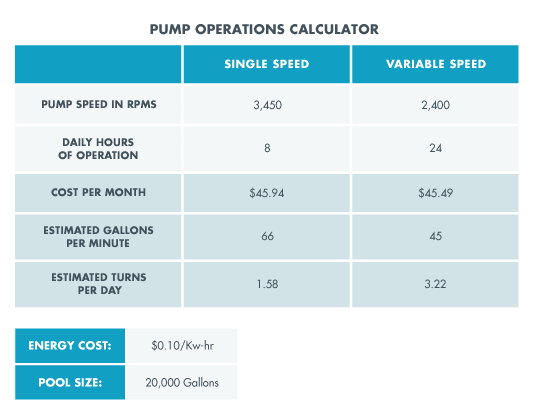
| Aspect | Variable Speed Advantages | Single Speed Drawbacks |
|---|---|---|
| Repair Calls | Fewer service visits because soft starts protect bearings and seals | More frequent calls from heat buildup and constant full-speed wear |
| Energy Bills | Can cut annual costs in half on large pools | Higher ongoing electricity expense in warm climates |
| High-Use Pools | Handles extended run times without overheating | Struggles during long filtration cycles required by heavy bather loads |
| Initial Outlay | Higher purchase price offset by later savings | Lower purchase price but higher lifetime operating cost |
Variable speed motors reduce repair calls because the electronic drive ramps speed gradually instead of slamming the motor to full power. This gentle start lowers torque shock on the shaft and coupling. Single speed motors in high-use pools suffer repeated thermal cycling. It cracks windings and dries out grease in the bearings. Owners who run their pump ten hours a day notice the difference within two seasons. A real-world example involves a community pool that switched to variable speed during a major pool pump motor repair. It went two full years without another breakdown.
Energy savings also affect repair decisions indirectly. Lower power draw means less heat inside the motor housing. This extends the life of capacitors and wiring insulation. Single speed units running at full load generate more internal heat. They therefore need earlier intervention during pool pump repair visits. Many technicians recommend pairing a variable speed upgrade with a new programmable timer to maximize these benefits when evaluating single vs variable speed pool pump choices.
Noise reduction matters in neighborhoods with strict sound ordinances. Variable speed motors running at night on low speed avoid complaints that single speed units sometimes trigger. The same low-speed operation also keeps water clearer with less filter pressure. It indirectly protects the motor from strain caused by restricted flow. Homeowners often report that the reduced noise encourages more consistent filtration schedules. This leads to better water quality overall.
Selecting the Motor That Lowers Future Repair Needs
Variable speed motors minimize future pool pump motor repair needs for most homeowners. They combine lower energy use with gentler mechanical operation. Single speed motors remain acceptable only when budget constraints rule out the higher initial cost. The pool must also see light seasonal use. Professional assessment helps match motor horsepower, voltage, and frame size to the existing pump housing before purchase. A qualified technician can also verify that the electrical service supports the chosen drive without additional upgrades. This evaluation prevents mismatched parts that turn a simple motor swap into repeated service calls. Before deciding, ask your technician to run a quick load test on the current wiring to confirm everything can handle the new setup when single vs variable speed pool pump options are on the table.
Frequently Asked Questions About Single vs Variable Speed Pool Pumps
How long does it take to see energy savings after switching to a variable speed motor? Most homeowners notice lower bills within the first two to three months. This happens especially during peak summer usage when the pump runs longer hours. The exact timeline depends on local electricity rates and how many hours the pump operates daily.
Can I replace just the motor or do I need a whole new pump? In many cases a direct motor swap works fine during pool pump motor repair. This works provided the pump housing and impeller remain in good condition. A technician can inspect the volute and seals to confirm compatibility before proceeding with single vs variable speed pool pump options.
Do variable speed motors require special maintenance beyond standard pool pump care? They need the same basic tasks like cleaning the basket and checking for debris. But owners should also inspect the drive unit for dust buildup every six months to keep the electronics running reliably.
You May Also Like
- Frequent Pool Pump Motor Issues and Their Repair Paths
- Steps to Replace a Variable Speed Pool Pump Motor
- Pool Pump Motor Repair Addresses Failures Common in Local Pools
- Pool Pump Motors Lifespan Factors and Seasonal Care
- Step Sequence for Replacing a Variable Speed Pool Pump Motor