Pool Pump Pressure Balance After Adding New Equipment
Adding new equipment to a swimming pool system often changes how water moves through the filter and pump. Homeowners in the United States commonly notice shifts in flow rates and pressure readings once a new cartridge, sand filter, or DE vessel goes online. The goal becomes restoring proper pool pump pressure balance so the system runs efficiently without stressing the motor or leaving debris in the water. This article focuses on practical steps that address filter-related issues tied directly to those pressure changes.
Proper pool pump pressure balance keeps water moving at the right speed while protecting the pump from strain. When equipment is added, the original settings rarely stay ideal. Filters may clog faster, valves may need adjustment, and pressure gauges can swing outside normal ranges within days.
How New Equipment Changes Pool Pump Pressure Balance
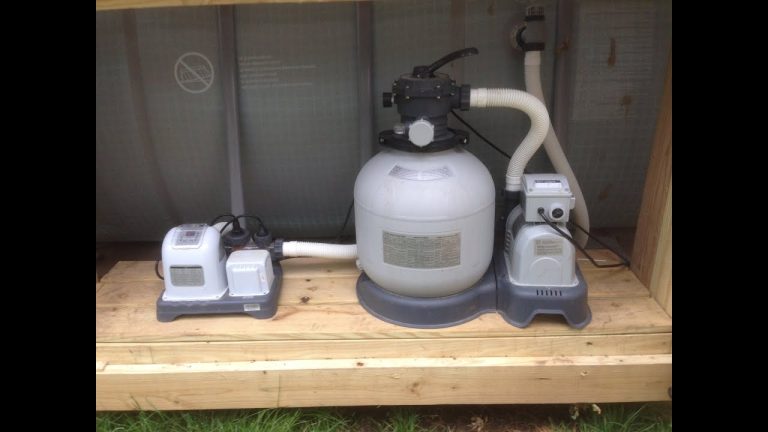
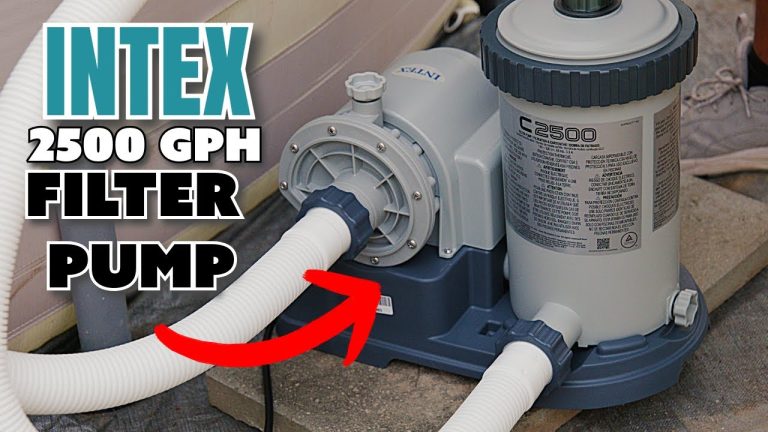
New filter media or a larger pump basket alters resistance inside the circulation loop. Sand filters add backpressure when fresh media packs down, while cartridge elements can restrict flow if the new pleats sit tighter than the old ones. DE filters often show an immediate rise because the fresh powder creates a thicker cake on the grids. In most systems these shifts appear within the first week after installation.
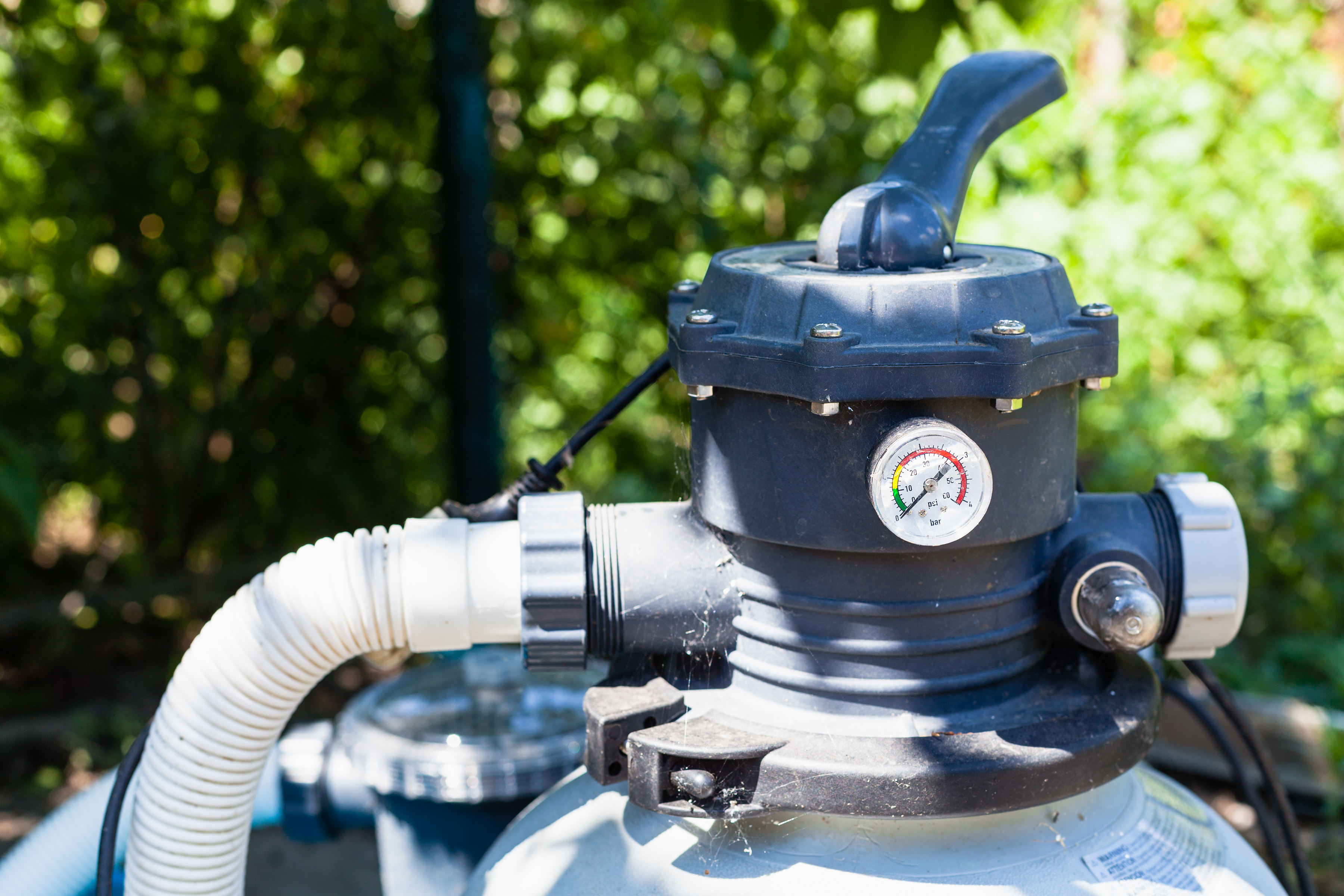
Owners should watch the pressure gauge before and after the change. A typical clean sand filter runs between 10 and 15 psi. Once new media is added, that number can climb two to four points even when the water stays clear. Cartridge systems usually sit lower, around 8 to 12 psi, but a fresh element may push readings higher until it seats fully. DE vessels start near 15 psi and climb as the cake builds.
Low flow often follows high pressure when the new equipment traps fine particles faster than the old setup did. Cloudy water may return even though the filter looks clean on the outside. The motor can run warmer because it works against extra resistance. Checking both the pressure reading and the return flow at the pool wall gives the clearest picture of whether pool pump pressure balance has been restored.
Adjusting Valves and Bypass Lines
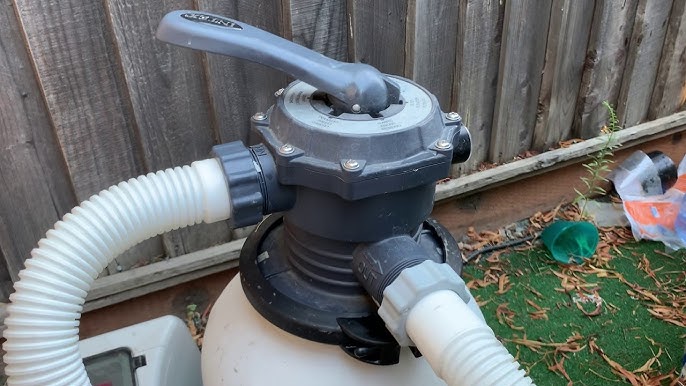
Many systems include a bypass valve or multiport valve that can be fine-tuned after equipment changes. Opening the bypass slightly reduces pressure on the filter while keeping enough flow for skimmers and returns. Close the valve in small increments while watching the gauge until it settles near the original clean reading. This simple step restores pool pump pressure balance without replacing parts.
Return jets should also be checked. New equipment sometimes changes how water exits the pool, so redirecting a jet or two can improve circulation and lower overall system pressure. In most inground setups, two or three jets pointed toward the main drain help equalize flow across the entire pool.
Common Filter Problems That Disrupt Pool Pump Pressure Balance
Dirty filter low pressure appears when debris builds up faster than expected after new equipment is installed. The gauge may drop even though the pump runs continuously. This usually means the filter is bypassing water around a clogged section rather than pushing it through the media. Backwashing or rinsing the new cartridge or sand bed often brings the reading back up.
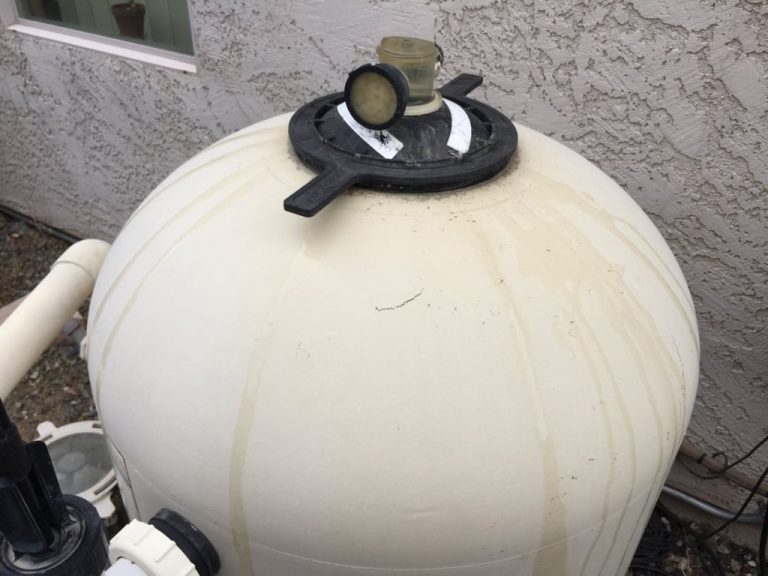
High pressure shows up more often with fresh DE or tightly packed sand. The pump works harder, the motor draws more amps, and the system may shut off on thermal overload. Releasing a small amount of air from the filter tank or adjusting the multiport valve to the recirculate position for a few minutes can relieve the spike. Persistent high readings after these steps point to a need for further inspection.
Leaks around new filter housings or pump lids also throw off pool pump pressure balance. Even a small drip reduces flow and can pull air into the line, causing the pump to lose prime. Tightening clamps or replacing the o-ring on the new equipment usually stops the leak and returns pressure to normal.
Recognizing Cloudy Water After Equipment Changes
Cloudy water often signals that the new filter is not yet capturing fine particles effectively. Sand may need several backwash cycles before it settles. Cartridge pleats can hold manufacturing residue that escapes into the pool until rinsed. DE powder sometimes migrates if the grids were not coated evenly during installation. Running the filter 24 hours a day for the first two days after adding equipment helps clear the water faster.
Testing the water chemistry remains important. New equipment does not change pH or sanitizer demand, yet unbalanced water can make the filter work harder. Keeping total alkalinity between 80 and 120 ppm and pH between 7.2 and 7.6 supports steady pool pump pressure balance.
Maintenance Steps That Keep Pool Pump Pressure Balance Stable
Weekly gauge checks catch pressure shifts before they become expensive problems. Record the reading when the filter is clean, then note changes after each equipment addition. A sudden two-point rise usually means backwashing or cartridge rinsing is due. Consistent records also show whether the new equipment is performing as expected over time.
Rinsing or replacing filter media on schedule prevents gradual pressure creep. Sand lasts three to five years in most residential pools before it needs replacement. Cartridges require rinsing every two to four weeks and full replacement every one to two seasons. DE filters need fresh powder after each backwash and a full media change every two to three years. Following these intervals protects pool pump pressure balance and extends pump life.
Inspecting the pump basket and impeller for debris after new equipment is added also helps. Small pieces of filter media or tape from installation can lodge in the impeller and reduce flow. Removing the basket, clearing any material, and verifying the impeller spins freely restores normal pressure quickly.
Repair Costs and Replacement Decisions
Simple valve adjustments or o-ring replacements usually cost under fifty dollars in parts. A new cartridge element runs between thirty and eighty dollars depending on size. Full sand changes average one hundred fifty to three hundred dollars including media and labor. DE grid replacements fall in the two hundred to four hundred dollar range. These figures vary by region and pool size, but they give a realistic starting point for budgeting.
When pressure problems continue after media changes and valve adjustments, the pump itself may need attention. Swimming pool pump motor replacement becomes necessary once the motor draws excessive amps or fails to maintain prime. Inground pool motor replacement follows the same pattern when seals or bearings wear from running against high resistance. Comparing the cost of repeated repairs against a new motor helps decide the right time to replace.
Pool pump seal replacement often resolves drips that throw off pool pump pressure balance. The job requires basic tools and usually takes under an hour once the pump is drained. If the motor shows signs of water damage, however, full swimming pool motor repair or replacement is the safer choice.
FAQ
How long does it take for pressure to stabilize after adding a new filter?
Most systems settle within forty-eight hours if valves are adjusted and the filter is backwashed or rinsed properly. During this period the gauge may fluctuate as new media packs and air leaves the lines. Running the pump continuously for the first two days helps the system reach steady pool pump pressure balance. Checking the reading at the same time each day shows whether further tweaks are needed.
Why does my pressure rise even though the water looks clear?
New media traps finer particles than the old filter did, so pressure climbs before cloudiness appears. The gauge reflects resistance inside the vessel, not visible debris in the pool. A short backwash or rinse often brings the reading down without affecting water clarity. If the rise continues after cleaning, the new element may be the wrong size or the pump may need impeller inspection.
Can I add a second filter to improve flow?
Adding a second vessel changes the entire circulation path and usually requires a larger pump or bypass plumbing. Without those changes the original pump may struggle to push water through both units, lowering overall flow. Professional sizing ensures the system maintains proper pool pump pressure balance after the addition.
What pressure reading is normal for a sand filter?
Clean sand filters typically run between ten and fifteen pounds per square inch. Readings above twenty psi usually indicate the need for backwashing. New sand can start two to three points higher until it settles, so owners should note the new baseline after the first week.
How often should I check the pressure gauge?
Weekly checks catch problems early, especially after new equipment is installed. Daily checks for the first month help establish the new normal. Recording readings on a simple chart shows trends that might otherwise go unnoticed until the pump overheats or flow drops.
Does water chemistry affect pressure readings?
Yes. High calcium hardness or unbalanced pH can cause scale on filter elements, raising resistance. Keeping water balanced reduces the load on the filter and supports steady pool pump pressure balance. Test strips or a liquid kit used twice weekly keeps chemistry within range.
Final Thoughts on Maintaining Pool Pump Pressure Balance
Restoring pool pump pressure balance after new equipment requires attention to valves, media condition, and regular gauge readings. Most issues resolve with simple adjustments or media cleaning rather than major repairs. When problems persist, comparing repair costs against replacement guides the next step. Consistent maintenance keeps the system running quietly and efficiently season after season.
About this guide: This content draws from standard pool maintenance practices used across the United States and references publicly available manufacturer guidance on filter operation.
You May Also Like
- Cleaning Impellers to Restore Pool Pump Flow Rate
- Pool Filter Troubleshooting For Models From Pentair And Hayward
- Eight Pool Filter Failures Homeowners Encounter Most Often
- Why Pool Filter Backwash Stops Functioning and What Fixes It
- Pool Pump Pressure Basics and the Parts That Control Flow Rate