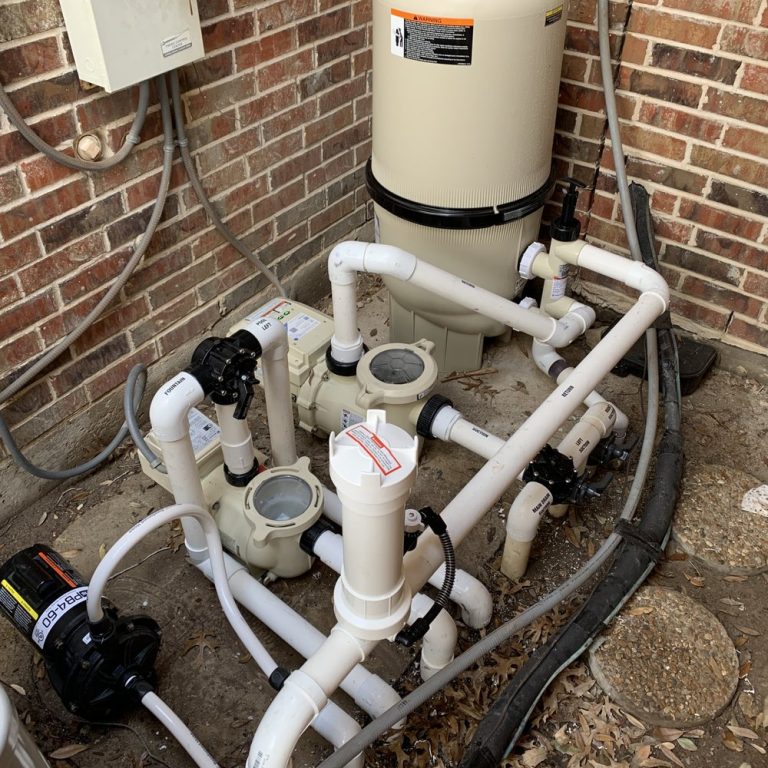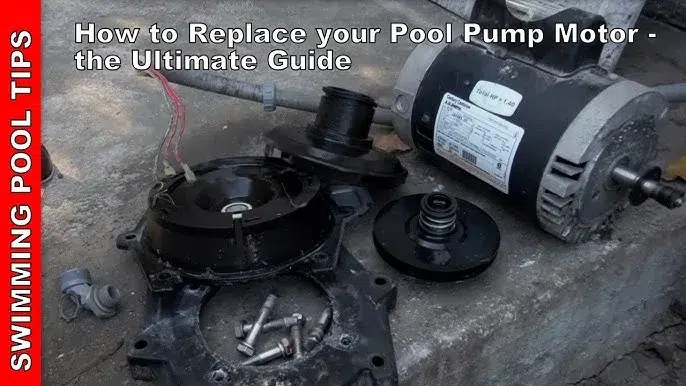
How motor, impeller, seal work
Pool pumps keep water moving through filters and heaters so swimmers stay comfortable. The motor spins the impeller while the mechanical seal stops leaks from reaching the bearings. When any of these parts wear out, owners often face a full swimming pool pump replacement instead of a single fix. Understanding how the pieces work together helps decide whether a targeted repair or complete swimming pool pump replacement makes sense.
Regular checks on the motor, impeller, and seals catch problems before they damage the rest of the unit. For example, many pool owners notice unusual humming or reduced water flow during summer months. They schedule an inspection right away. This often prevents the need for an emergency swimming pool motor replacement on a hot weekend.
In practice, scheduling quarterly visual inspections during heavy-use periods can reveal early signs. These signs include faint vibrations or slight moisture around the base. Such checks allow proactive steps that extend equipment life.
The motor provides torque. The impeller pushes water. The seal protects electrical components from moisture. A failing seal lets water reach the bearings. The bearings then overheat and ruin the windings. In most systems this chain reaction leads to swimming pool pump replacement rather than piecemeal fixes. Checking each component in order saves time and prevents repeat failures. Homeowners who keep a simple maintenance log often spot patterns. These patterns include gradual flow loss over several weeks. Such patterns point directly to impeller issues requiring swimming pool pump impeller replacement before the motor suffers collateral damage. Adding notes about daily runtime hours and recent weather conditions helps identify whether excessive heat or debris contributed to the wear.
Swimming pool pump replacement becomes necessary once two or more major parts show damage at the same time. Practical experience shows that attempting to replace only the impeller while ignoring a leaking seal usually results in another breakdown within months. This makes a complete unit swap the smarter long-term investment in most residential setups. Pool professionals often advise comparing the cost of individual repairs against a new energy-efficient model. This advice applies especially when the existing pump is more than seven years old and no longer meets modern flow standards.
Replacing failed motor windings
Motor Windings
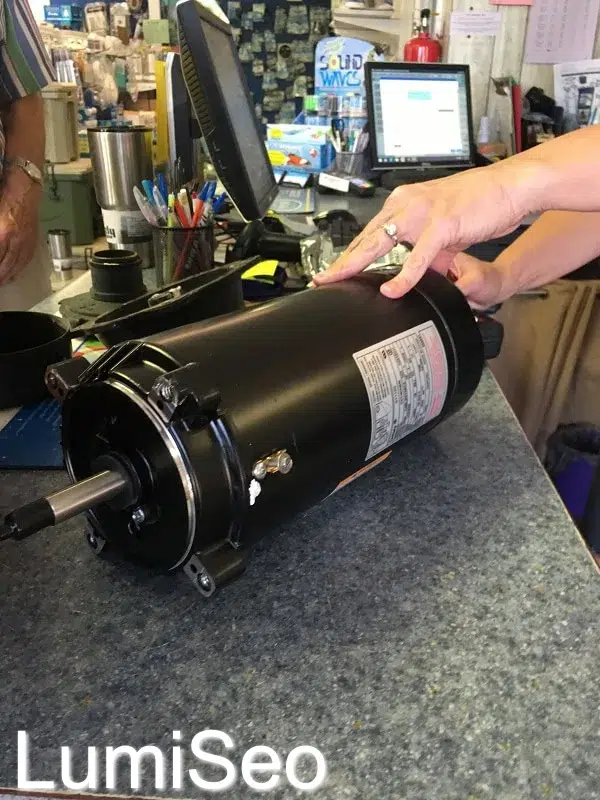
Motor windings are copper coils that create the magnetic field needed to turn the shaft. Over time heat, moisture, and voltage spikes break down the insulation around those wires. Once the insulation cracks, the motor draws more current and eventually trips the breaker. In most inground systems the windings last eight to twelve years before insulation failure occurs.
Replacing just the windings is rarely economical because the labor cost approaches the price of a new motor. A continuity test with a multimeter shows open circuits when windings have failed. Owners who notice a burning smell or repeated breaker trips should schedule swimming pool pump replacement rather than attempt a rewind. For the adjacent problem, Clean Pool Pump Impeller to Restore Flow Rate goes deeper into the specifics.
One common real-world scenario involves older single-speed motors that run constantly during peak season. The extra heat accelerates insulation breakdown. This often leads to a full swimming pool motor replacement instead of a costly rewind service that may not last. Installing a simple surge protector at the electrical panel offers added protection against voltage fluctuations that quietly degrade insulation over time.
Impeller Wear
The impeller is the plastic or bronze wheel that moves water through the housing. Sand, leaves, and small rocks gradually erode the vanes until flow drops sharply. Reduced flow makes the motor work harder. This raises energy use and heat inside the windings. A visual inspection after removing the housing lid reveals chipped or rounded vane edges.
When impeller damage is this advanced, swimming pool pump replacement usually costs less than buying a new impeller plus labor to reinstall it. Matching the replacement impeller to the original horsepower rating keeps performance steady. Many technicians also replace the seal during the same visit because the old seal has already been stressed by the worn impeller.
Pool owners dealing with frequent clogging from nearby trees learn that upgrading to a more durable bronze impeller during swimming pool pump impeller replacement can extend service life by several seasons. This upgrade also improves overall circulation efficiency. Another helpful step is rinsing the pump basket weekly to reduce the amount of abrasive material reaching the impeller vanes.
Mechanical Seal Leaks Leading to Swimming Pool Pump Replacement
The mechanical seal sits between the motor shaft and the impeller. It consists of two ceramic or carbon faces held together by a spring. When the faces wear or the spring loses tension, water seeps past and drips from the weep hole. Continued leakage corrodes the motor bearings and eventually reaches the windings.
At that point a simple swimming pool pump seal replacement no longer solves the problem. Full swimming pool pump replacement becomes the practical choice. Technicians check for moisture by removing the motor end cap and looking for rust on the shaft. Early detection allows a targeted swimming pool pump seal replacement before the motor is lost.
A helpful tip is to monitor the weep hole monthly with a flashlight. Catching a slow drip early can save hundreds of dollars by avoiding the cascade of damage that forces a complete swimming pool motor replacement. In coastal areas where salt air accelerates corrosion, applying a light coat of marine-grade grease around the seal housing during annual service provides extra defense.
Capacitor Failure
The start capacitor gives the motor an extra electrical push to overcome inertia. Heat and age cause the electrolyte inside to dry out. This reduces capacitance. A weak capacitor makes the motor hum without turning or causes it to start slowly. Replacement capacitors cost little. Yet repeated failures often signal deeper voltage or winding problems. In that situation swimming pool pump replacement prevents ongoing service calls. Testing with a capacitor meter confirms whether the component has lost its rated microfarad value. Most pool owners keep a spare capacitor on hand because swapping it takes only a few minutes. In practice, pairing a new capacitor with a voltage stabilizer during routine service has helped many homeowners avoid premature swimming pool motor replacement caused by unstable power supply from older home wiring. Technicians also recommend checking the run capacitor on two-speed models. Both components age at similar rates and can fail together.
Housing Cracks
The pump housing is usually cast iron or thermoplastic. Freeze-thaw cycles, over-tightened bolts, and impacts from falling debris create hairline cracks. Once a crack reaches the wet end, water sprays out and air enters the suction line. Small cracks can sometimes be welded or epoxied. Larger ones allow vibration that loosens pipe connections. At that stage swimming pool pump replacement restores reliable sealing surfaces and prevents further leaks. Technicians pressure-test the housing before deciding on repair versus replacement. Cracked housings also trap debris that accelerates impeller wear. A real-world example involves above-ground pools in colder climates where winterizing is skipped. The resulting cracks often make full swimming pool pump replacement the only reliable fix once pipes begin to shift from the vibration. Using insulated pump covers during winter months reduces temperature swings that stress thermoplastic housings.
O-Ring Degradation
O-rings seal the lid, drain plugs, and unions. Chlorine, heat, and sunlight harden the rubber until it loses flexibility and leaks. A dried O-ring lets air into the suction side. This causes the pump to lose prime. Replacement O-rings are inexpensive and easy to install during routine maintenance. However, when multiple O-rings fail at once, the pump has usually been exposed to harsh conditions for years. In those cases swimming pool pump replacement addresses the underlying wear on all sealing surfaces. Keeping a spare set of O-rings and lightly lubricating them with pool-safe grease extends service life between full replacements. Many technicians recommend inspecting O-rings every spring and fall. This simple habit often delays the need for swimming pool pump replacement by catching early hardening before leaks develop. Replacing the entire O-ring kit at once during any major service prevents staggered failures that lead to repeated shutdowns.
Bearing Noise and Vibration Issues
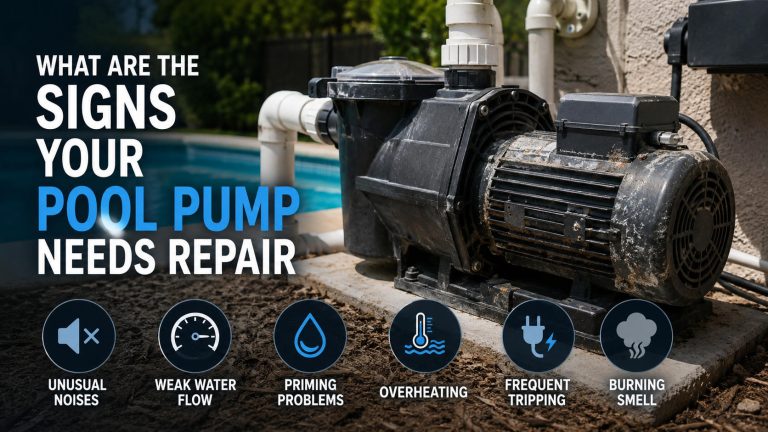
Bearings support the motor shaft and allow smooth rotation under load. When seals fail or the impeller becomes unbalanced, bearings begin to grind or squeal. Owners often describe the sound as a high-pitched whine that grows louder over time. Replacing bearings alone rarely makes financial sense once water damage has occurred. This pushes most people toward swimming pool motor replacement. Listening with a mechanic’s stethoscope during operation provides an early warning that helps schedule service before complete failure. Placing a small vibration sensor on the motor housing can alert owners via smartphone when unusual patterns appear. This gives extra time to arrange a swimming pool pump replacement before total breakdown.
At a Glance
- Motor winding failure almost always leads to complete swimming pool pump replacement rather than repair.
- Impeller erosion reduces flow and forces early swimming pool pump replacement to protect the motor.
- Mechanical seal leaks quickly damage bearings, making swimming pool pump replacement the cheaper long-term option.
- Cracked housings and multiple failed O-rings signal overall system age that justifies swimming pool pump replacement.
- Repeated capacitor failures or bearing noise often indicate the need for swimming pool motor replacement to restore reliable startup and quiet operation.
- Choosing a matched swimming pool pump impeller replacement during any major service helps maintain original flow rates and prevents motor strain.
Wrapping Up
Inspecting the motor, impeller, seal, capacitor, housing, and O-rings before ordering parts prevents surprise expenses. When two or more components show wear, swimming pool pump replacement restores reliable operation faster than repeated individual repairs. Checking for moisture, reduced flow, and unusual noises gives clear signals about which part failed first. Keeping records of maintenance dates helps predict when the next swimming pool pump replacement may be needed. A single thorough evaluation protects the entire circulation system and keeps pool water clear season after season. Many experienced owners also photograph the pump nameplate and note serial numbers during each inspection. This makes future swimming pool motor replacement or swimming pool pump impeller replacement orders quicker and more accurate when the time finally arrives. Building a relationship with a trusted local technician often yields helpful advice on timing replacements to coincide with off-season discounts.
Further Reading
- Three Motor Styles That Fit Most Inground Pool Replacements
- Signs Your Swimming Pool Needs Immediate Pump Service