Where Bestway Pool Pump Leaking Commonly Occurs

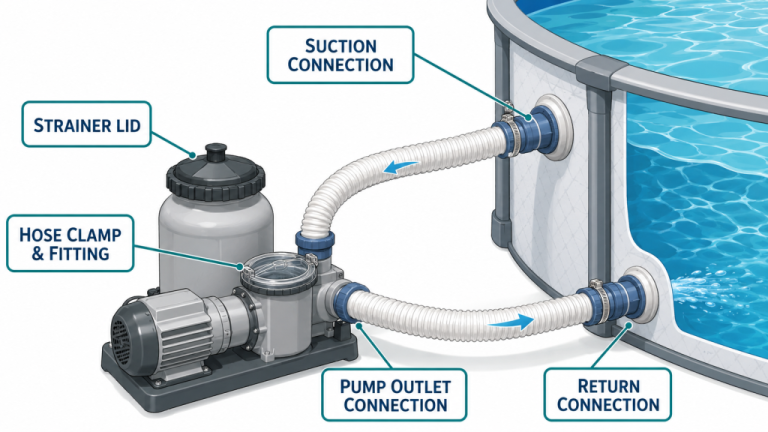
Most Bestway pool pump leaking happens at the threaded hose connections. This occurs after the unit has run for several hours. Heat from the motor causes plastic collars and rubber seals to expand. It also causes them to contract. This slowly loosens joints. The joints seemed tight when the pump was first installed. In most systems the inlet and outlet ports develop small drips. This happens long before any other part shows wear. These leaks waste water. They lower suction. They can eventually reach the motor housing if left alone. Owners across the United States see this pattern. It appears on both sand and cartridge models. These models share the same Bestway pump head. This pattern appears commonly after extended daily operation in warm conditions. Motor temperatures rise significantly in those conditions.
The best fix for bestway pool pump leaking starts with a systematic check. Check every connection point rather than replacing the entire pump. Ignoring a tiny drip at the outlet for an extended period can lead to complete motor failure. That failure requires replacement. Checking early prevents that kind of escalation. This is especially true when the pump cycles on and off multiple times each day during peak swimming season.
How to Repair Bestway Pool Pump Leaking Step by Step
- Turn off power at the breaker and unplug the pump cord. Wait at least ten minutes for the motor to cool. Wait also for any residual pressure to bleed off through the filter tank. This step prevents accidental startup while you work on the connections. It keeps you safe from electrical shock. Place a towel or shallow pan under the pump. This catches any water that escapes once you loosen the collars. Check the surrounding area for already wet spots. Those spots show where the bestway pool pump leaking has been active during recent cycles. Many homeowners also mark the date of the last inspection. They use a piece of tape stuck to the pump housing. This helps them track how often leaks reappear after hot days.
- Inspect the O-rings at both the inlet and outlet ports. Remove the plastic collars by hand or with a strap wrench if they feel stuck. Slide each collar back and look for flattened, cracked, or missing rubber rings. A worn O-ring lets water seep past the threads. This happens even when the collar is tight. Keep a spare set of 1.5-inch O-rings on hand. Bestway models use the same size on most above-ground filter pumps sold in the United States. If you notice the rubber has become brittle or discolored from years of chlorine exposure, replace it immediately. Do not try to stretch the old one back into place.
- Tighten the collars in small increments while the pump is still off. Turn each collar clockwise until it stops. Then give it an extra quarter turn. Over-tightening can crack the plastic threads. Stop once resistance increases noticeably. If the collar still turns freely after full engagement, the threads inside are stripped. The collar itself needs replacement before you continue. A common mistake is using pliers for extra leverage. This often damages the collar beyond repair. It turns a five-minute job into a parts-ordering wait.
- Apply plumber’s thread seal tape to the male threads on the pump ports. Wrap three to four layers in the direction of the threads. This keeps the tape in place when you screw the collar back on. Thread seal tape fills the small gaps that form between plastic parts. The gaps form after repeated heating and cooling cycles. This single step stops the majority of bestway pool pump leaking reports. Those reports reach online forums each summer. Try using the yellow gas-rated tape instead of the standard white kind. It provides a slightly thicker seal that holds up better against constant vibration.
- Reattach the hoses and hand-tighten the collars again. Plug the pump back in and run it for five minutes. Watch every joint while it runs. Look for new drips and listen for any change in the normal running sound. If water still appears, shut the unit off. Add one more layer of tape or replace the O-ring on that side. Some owners place a small mirror under the connections. This helps them spot leaks from awkward angles without having to crawl around the pump base.
- Test the system again after the pump has run a full cycle. Let it sit idle overnight. Many small leaks only show up once the plastic cools and contracts. Repeat the visual check the next morning before the filter runs again. Document any remaining moisture. This shows whether further tightening or part replacement is required. Keeping a simple notebook or phone photo log of each inspection helps you spot patterns. One example is leaks returning every Thursday after the hottest days of the week.
Expert Tips to Prevent Future Bestway Pool Pump Leaking
Use food-grade lubricant on the seals
A thin film of food-grade silicone lubricant on each O-ring helps it seat evenly inside the collar. The lubricant also reduces friction during future removals. This keeps the rubber from tearing. Apply only a pea-sized amount. Wipe away any excess that could attract dirt. This small habit can double the life of your O-rings. This is especially true if you open the connections at the end of each season for winter storage.
Replace the entire collar when threads show wear
Stripped threads inside a collar will never hold a seal. This remains true no matter how much tape you add. Bestway sells replacement collars individually. Swapping the whole piece takes less than five minutes once the hoses are off. Many pool stores carry these collars in stock during summer. This helps you avoid the delay of online ordering when a leak appears on a Friday before a big weekend party.
Check connections monthly during heavy use
Summer heat accelerates expansion and contraction. A quick visual inspection once a month catches small drips. It catches them before they become steady streams that lower water level and waste chemicals. Consider tying this check to your regular pool chemical balancing day. This makes the task part of an existing routine rather than an extra chore.
Keep spare O-rings and tape in the pool shed
Having the correct size O-ring and a roll of thread tape on site means you can fix bestway pool pump leaking the same day it appears. You avoid waiting for parts to arrive. Store the items in a small sealed bag. This keeps them dry and free of dust that could contaminate the seal surfaces later.
Monitor water levels and pump runtime together
Track how much water you add each week alongside pump operating hours. A sudden increase in water loss often points back to a developing connection leak. It points back before the leak becomes obvious on the ground. This simple cross-check helps many owners catch bestway filter pump leaking early enough to avoid draining the pool halfway to fix it.
Following Up on Bestway Pool Pump Leaking Repairs
Repeat the full inspection process one week after the initial repair. This follow-up catches any connections that loosened again after another round of heating and cooling. If no drips appear, mark the calendar for a monthly check during the swimming season. Many owners also link this task to their regular fixing a pool pump schedule. This ensures both electrical and plumbing issues get addressed at the same time. Consistent attention keeps the system running efficiently. It avoids the higher cost of motor damage from prolonged leaks. After three successful monthly checks, you can usually extend the interval to every six weeks. Do this unless temperatures climb above ninety degrees for several days in a row.
Following this follow-up routine consistently often means the pump requires no part replacements beyond O-rings. This avoids higher costs compared to reacting only when leaks become obvious. Keeping the area around the pump clean and free of grass clippings also reduces the chance of debris working its way into the threads during future tightening.
Related Topics
- Repair Choices For A Bestway Pump That No Longer Runs
- Four Situations That Cause Bestway Filters To Stop Working
- Eight Pool Filter Failures Homeowners Encounter Most Often
- Pool Pump Pressure Basics and the Parts That Control Flow Rate
- Intex Pump Models Compared for Resistance to Low Flow Problems